China’s high-speed rail network (HSR) is the largest and most advanced in the world. It’s fast, comfortable, punctual, and often a better alternative to flying. This guide will help you navigate the system with confidence.
1. 🎫Before You Go: Booking Your Ticket
You can book tickets from 15 to 30 days in advance (the period may vary). Peak travel times (Chinese New Year, National Day holiday) sell out quickly, so book early.
Where to Book
- Official website:
www.12306.cn– only in Chinese and requires a Chinese bank card or Alipay/WeChat Pay linked to one. Many foreigners find it challenging. - Third-party apps (easier for foreigners):
- Trip.com (recommended) – English interface, accepts foreign credit cards, adds a small service fee.
- Alipay or WeChat miniprograms (some have English options).
Tip: Use Trip.com for simplicity. They also store your passport info for future bookings.
Ticket Types
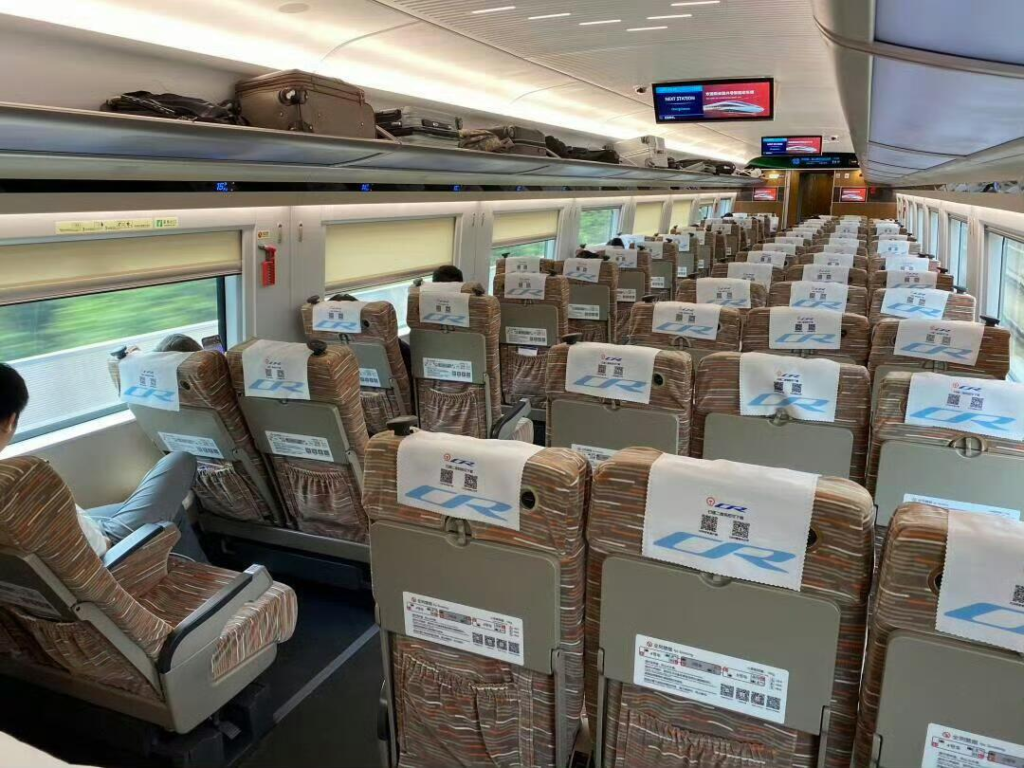
- Second Class – Best value. 2+3 seating, similar to economy on a plane.
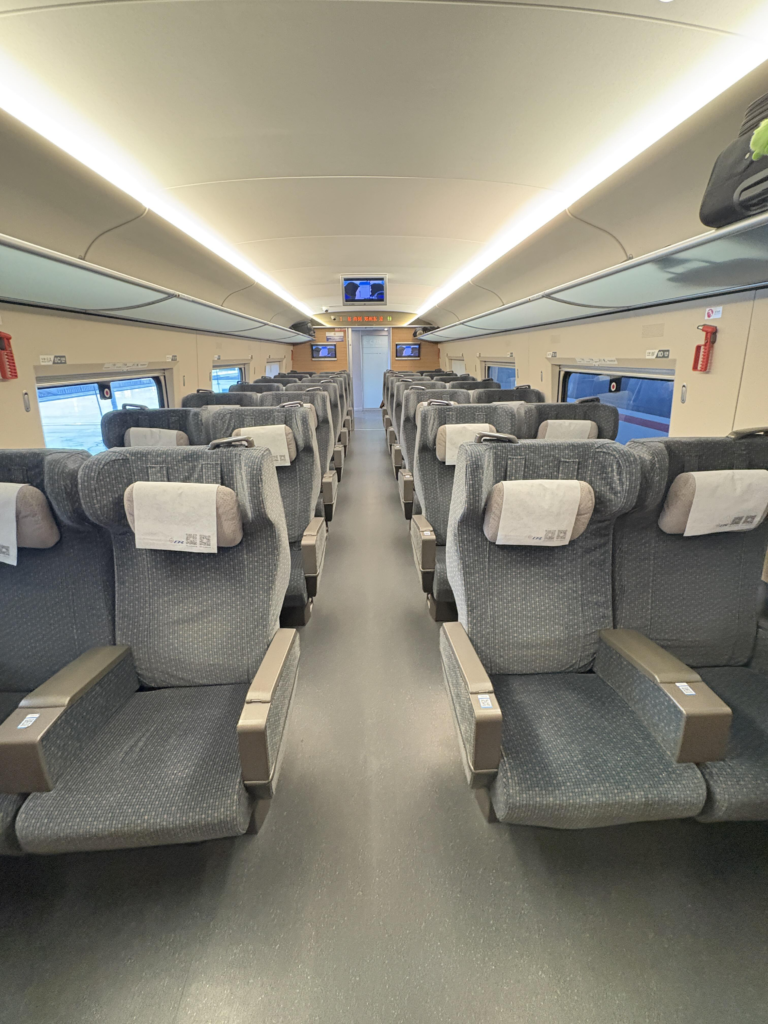
- First Class – More space. 2+2 seating, wider seats.
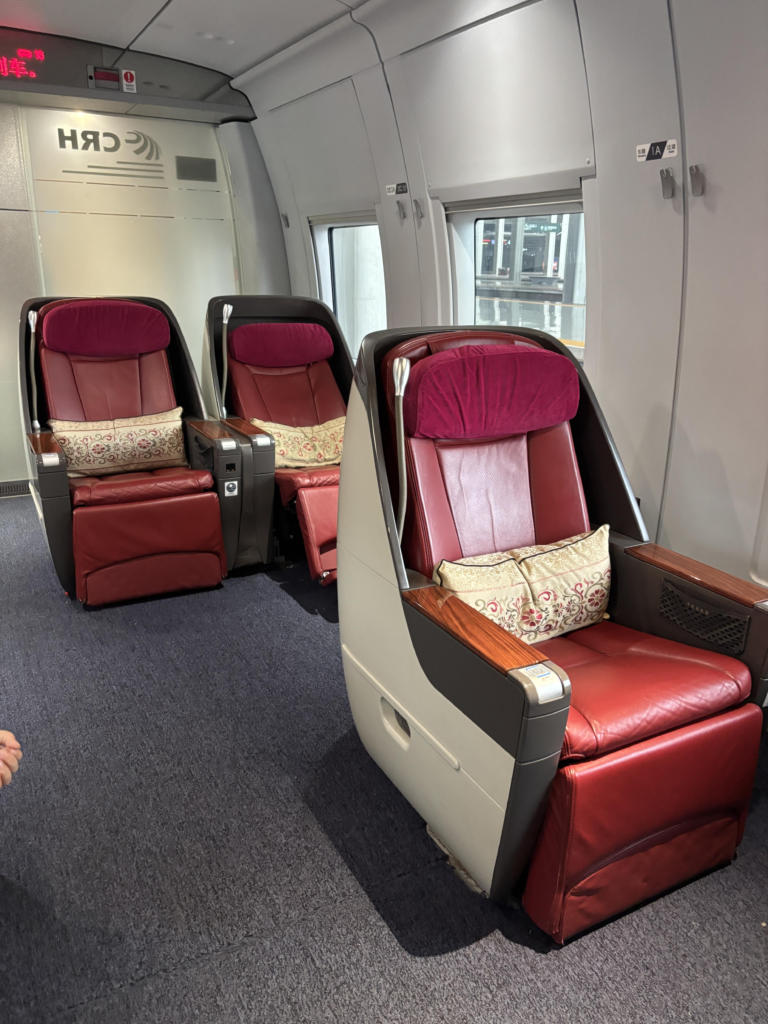
- Business Class – Most expensive. 1+2 or 1+1 seating, lie-flat or near-lie-flat seats, akin to airline business class.
You will receive an electronic booking confirmation. Your passport is your ticket – you do not need a printed ticket.
2. 🚉 At the Station – Step by Step
Step 1: ⏰Arrive Early
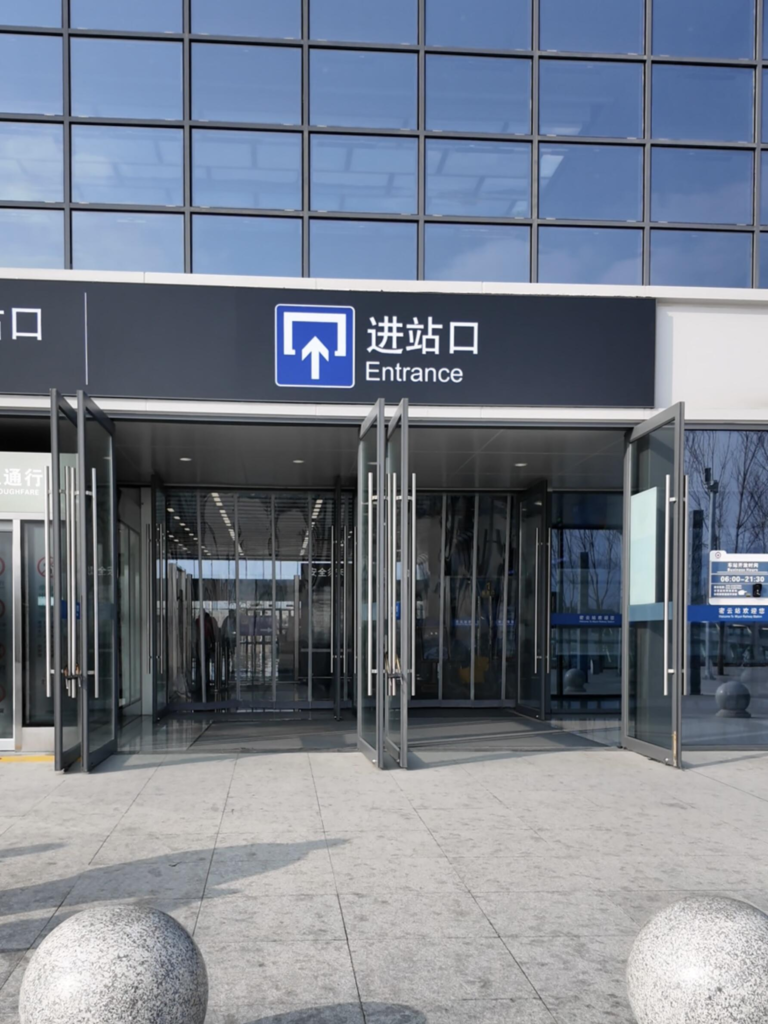
- Arrive 60 minutes before departure for major stations (Beijing , Shanghai, Guangzhou).
- 45 minutes is enough for smaller stations.
- Trains close boarding 5–10 minutes before departure, and security may take time.
Step 2: 🛂Enter the Station & Security Check
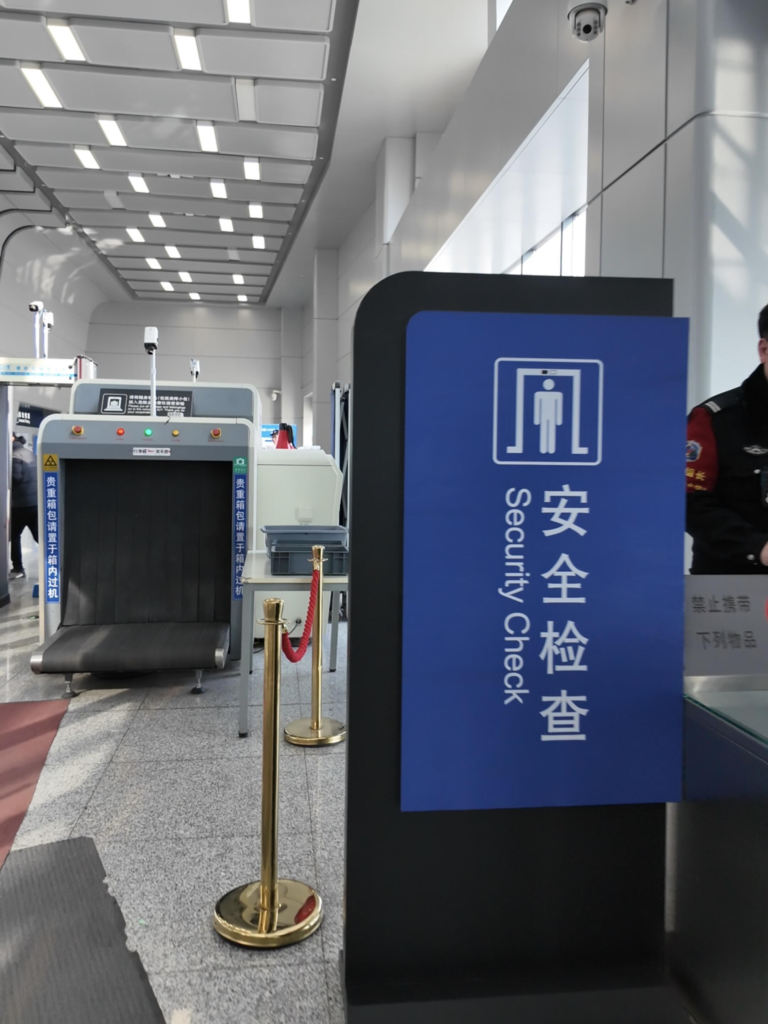
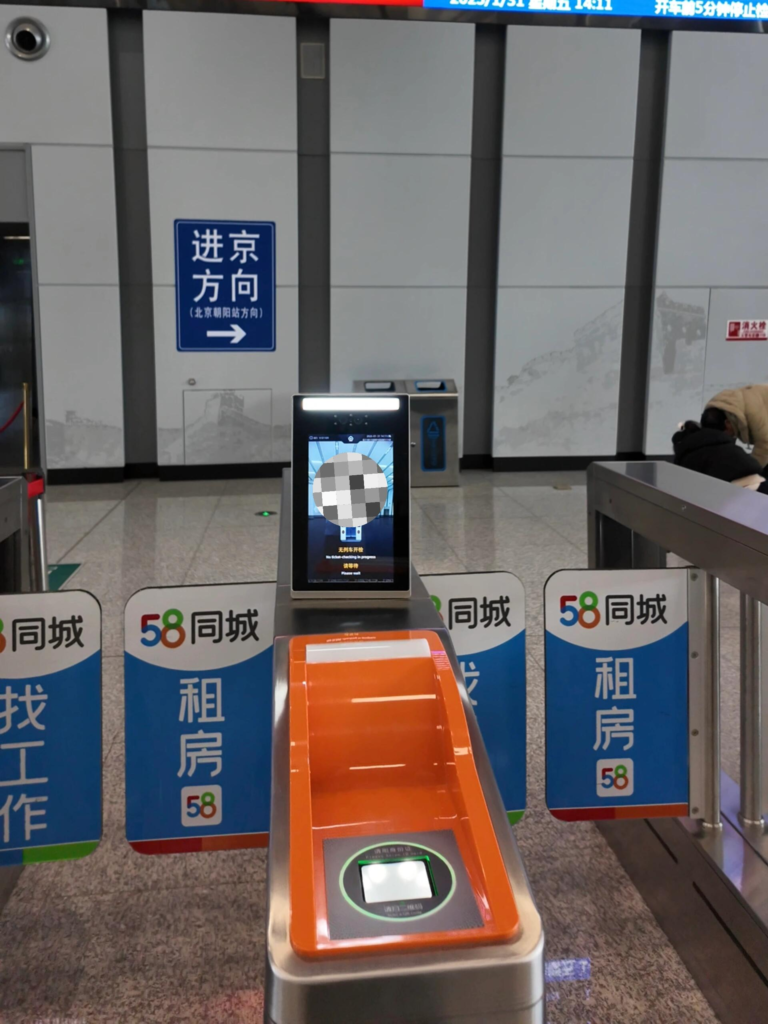
- Show your passport and booking (digital or paper) at the entrance gate. Some stations have automated gates that read passports; if not, go to the manned gate.
- Place bags on the X-ray machine. Liquids may be inspected. Prohibited items include knives, flammable goods, and (strictly) any type of firearm or explosive. Power banks are fine.
Step 3:💺 Find Your Waiting Area
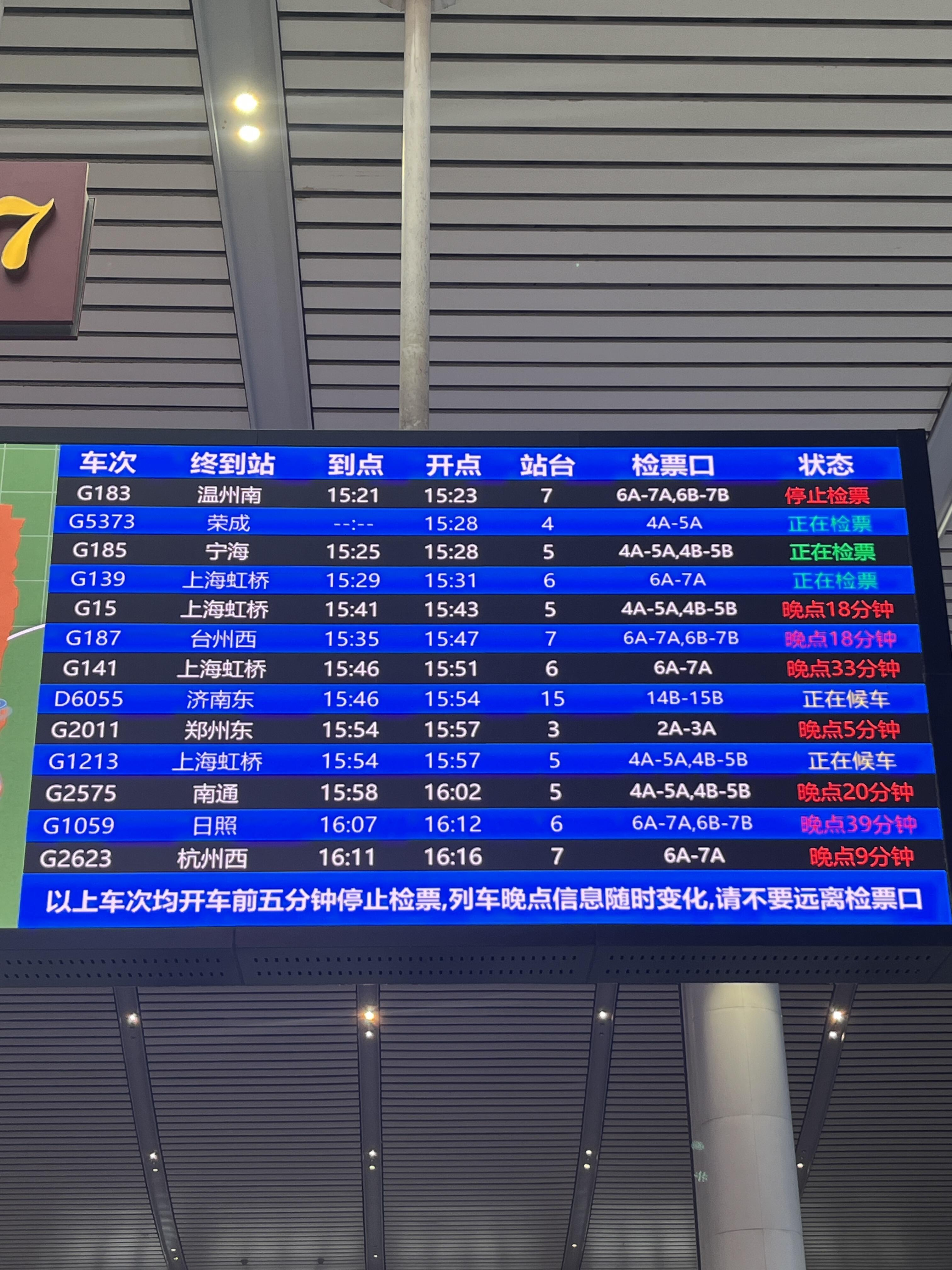
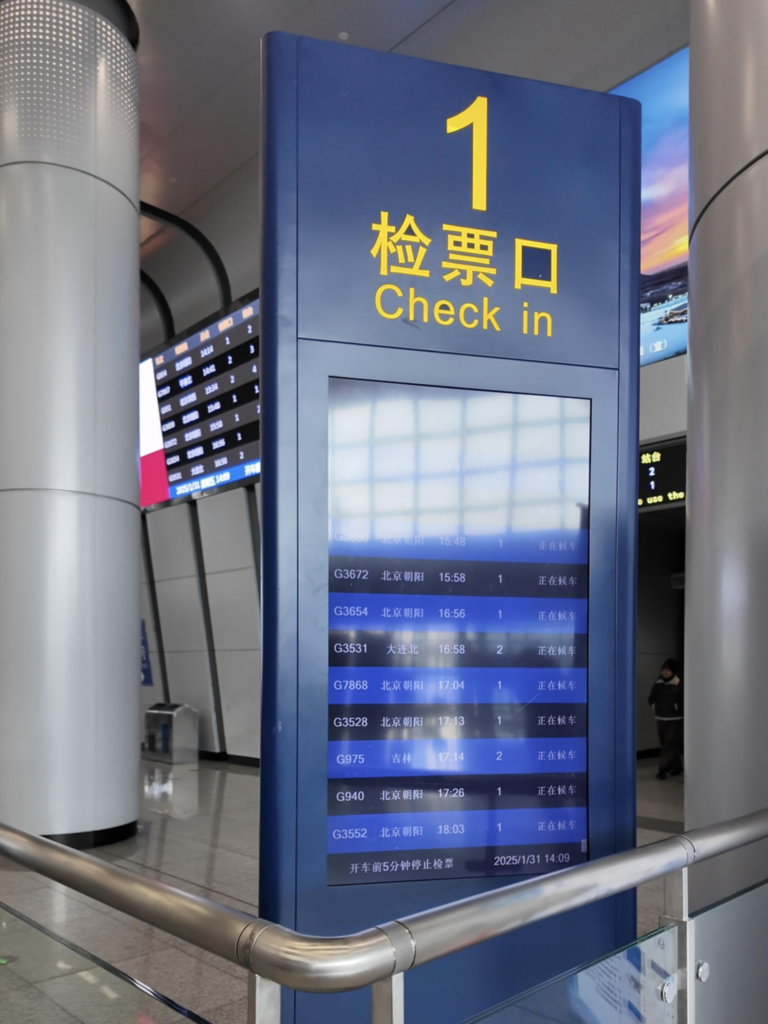
Look at the departure board (usually Chinese and English) for:
- Train number (e.g., G1234)
- Departure time
- Waiting room/gate number (e.g., “Gate B2” or “候车室 5”)
Proceed to that waiting area. Seats are usually free. Listen for announcements – most are in Chinese and English.
Step 4: 🚪Boarding Gate
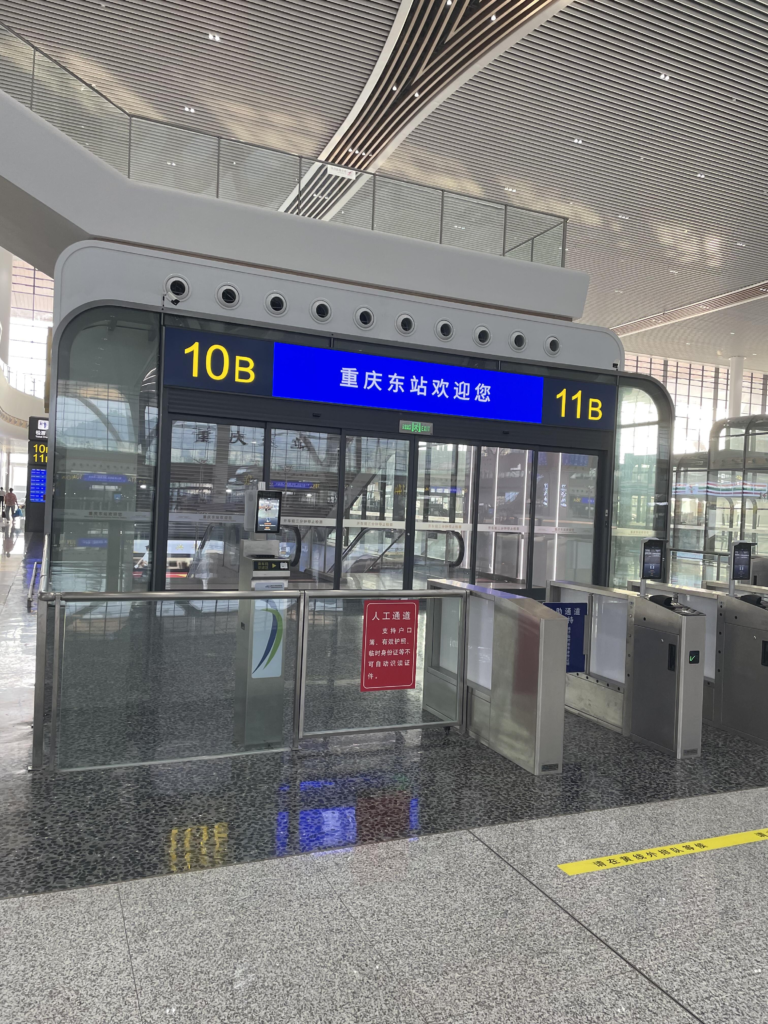
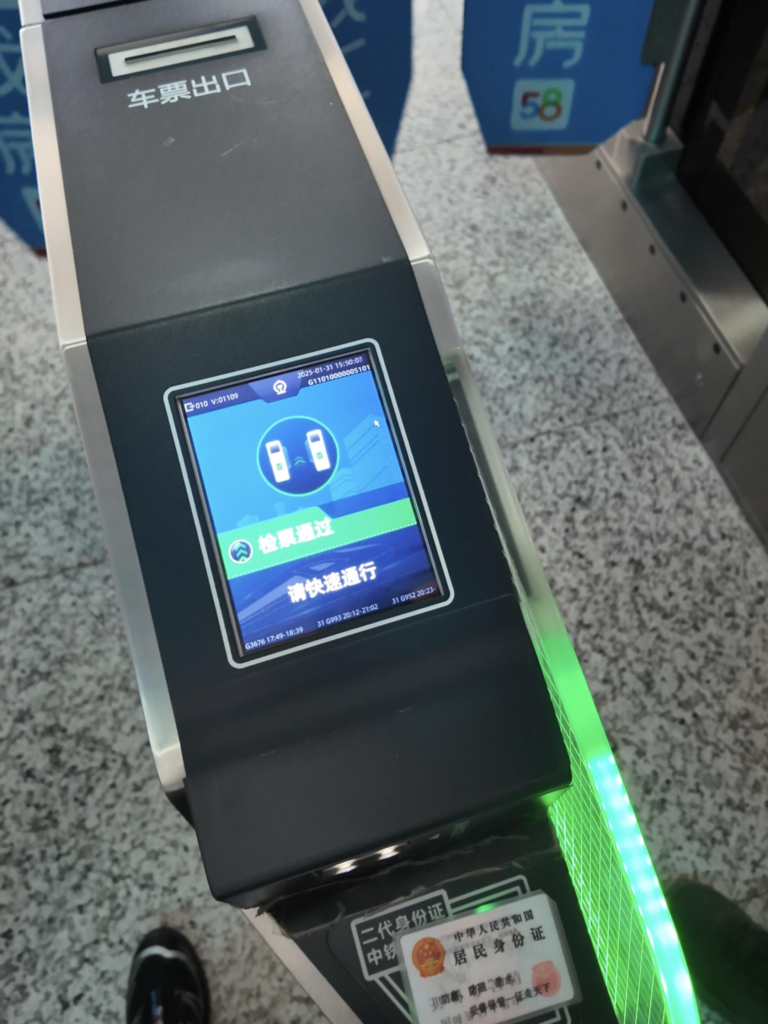
- Gates open about 15–20 minutes before departure.
- Queue up. You will scan your passport at an automatic gate (place the photo page face-down on the reader, or insert it) or show it to a staff member.
- Your face may be compared to the passport photo – remove masks, glasses, or hats if asked.
Step 5: 🚶 Go to the Platform
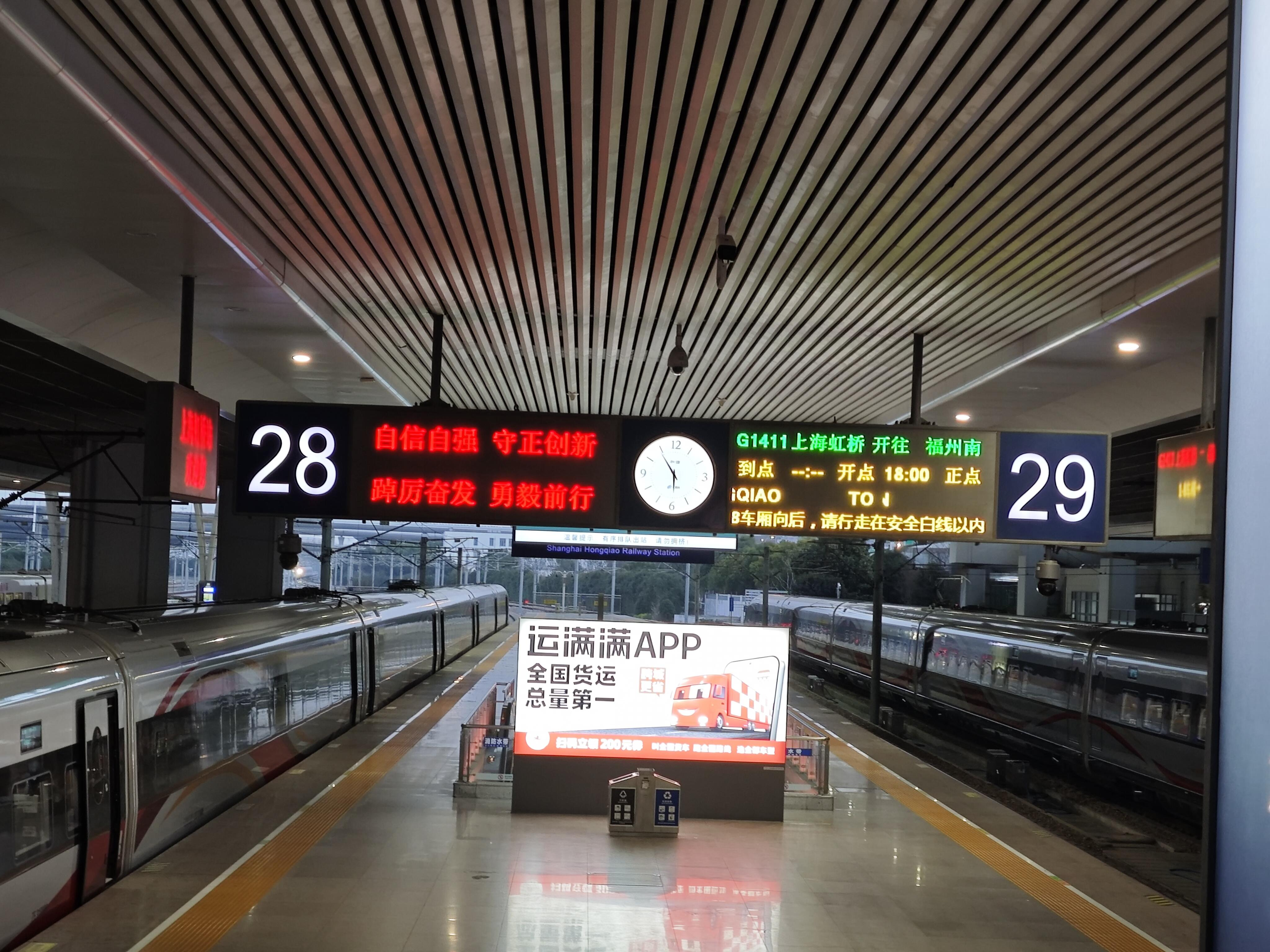
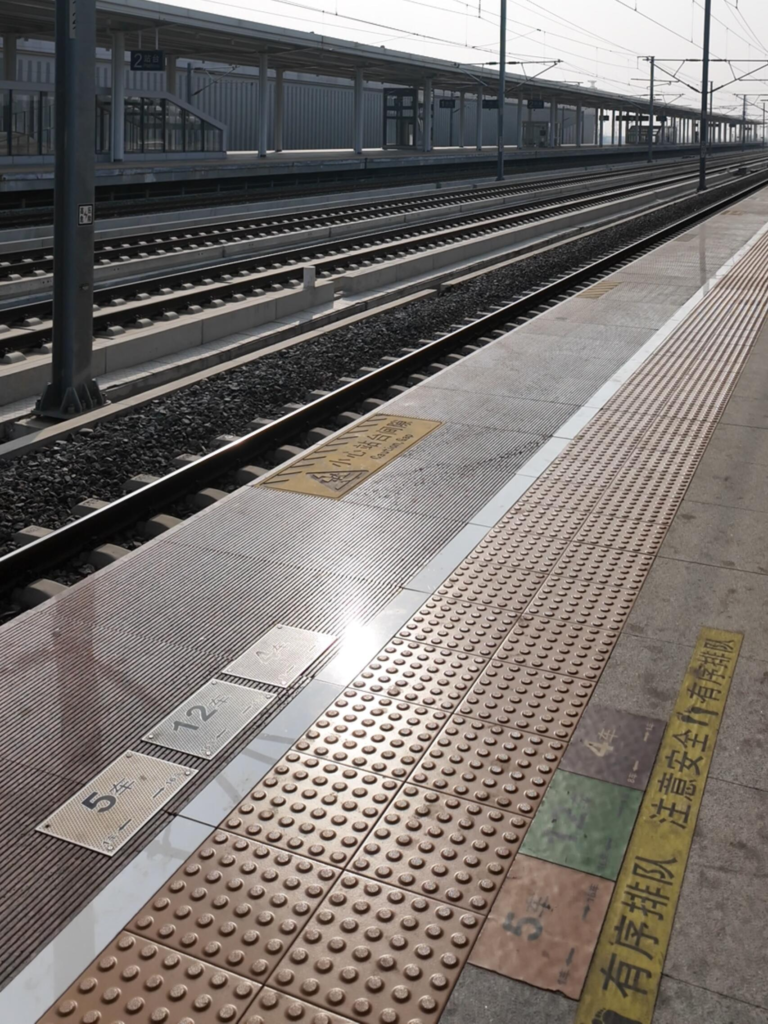
Follow signs to your carriage number (车厢, chēxiāng). The platform markings show where each carriage will stop. Stand in the right area to save time.
3. 🚅 On the Train
💺Finding Your Seat
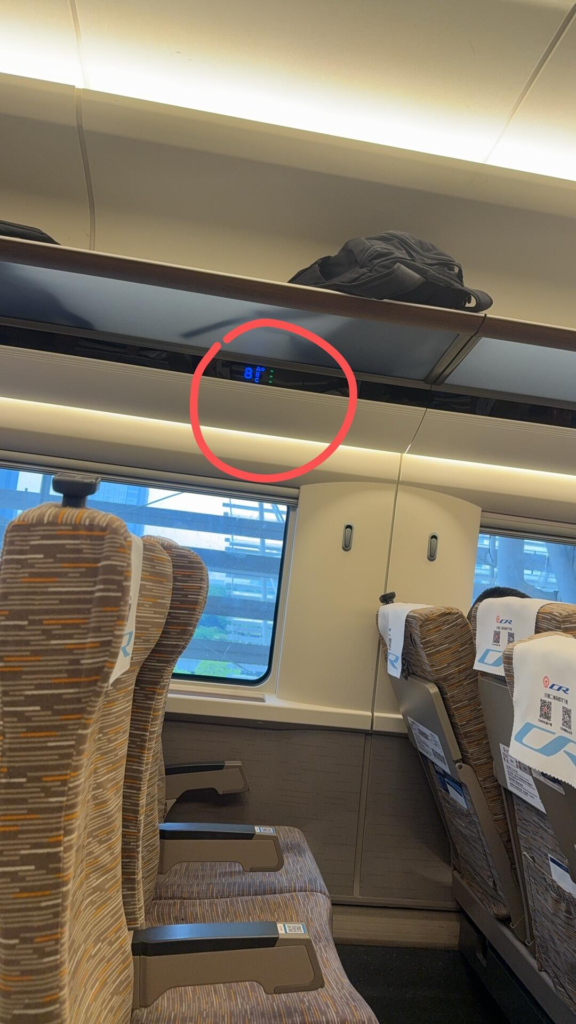
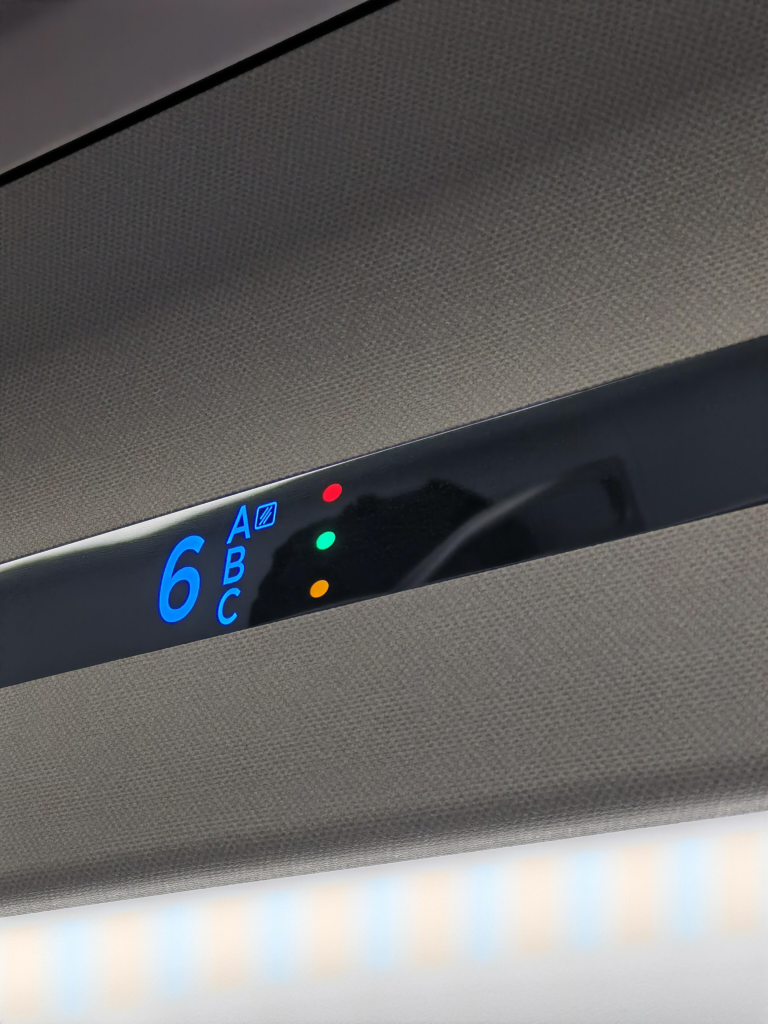
- Carriage numbers are on electronic signs above the door.
- Inside, seat numbers are above the windows (e.g., “5A”, “12C”).
- Letter meanings: A and F = window; C and D = aisle; B = middle seat (2nd class only).
🧳Luggage
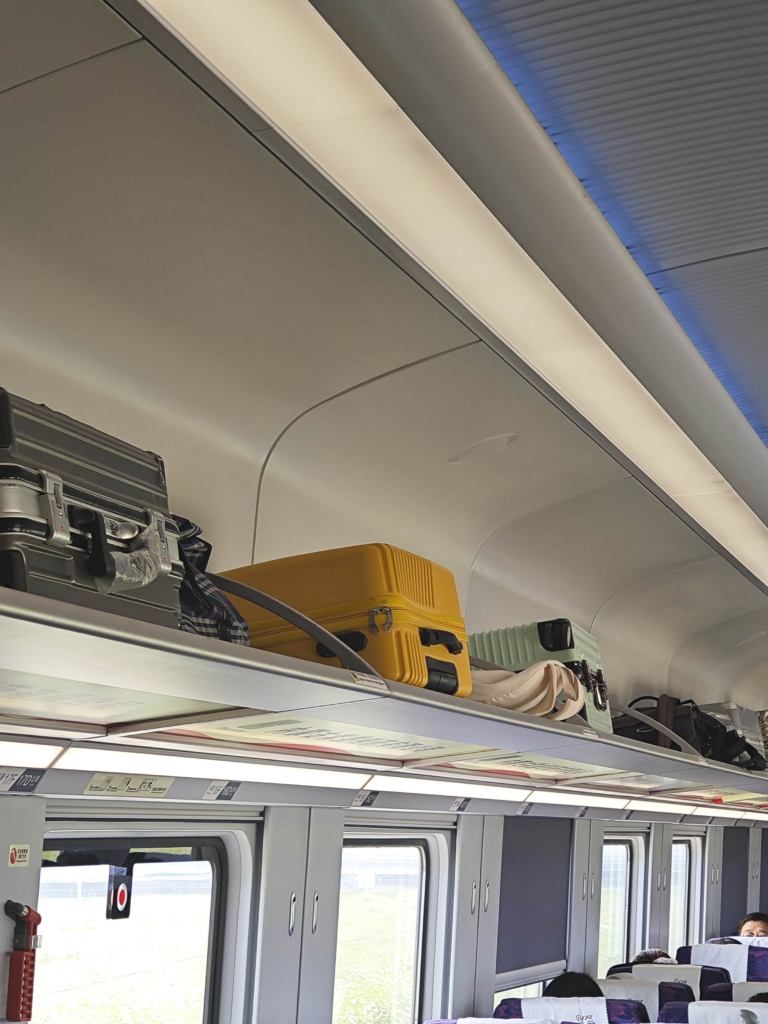
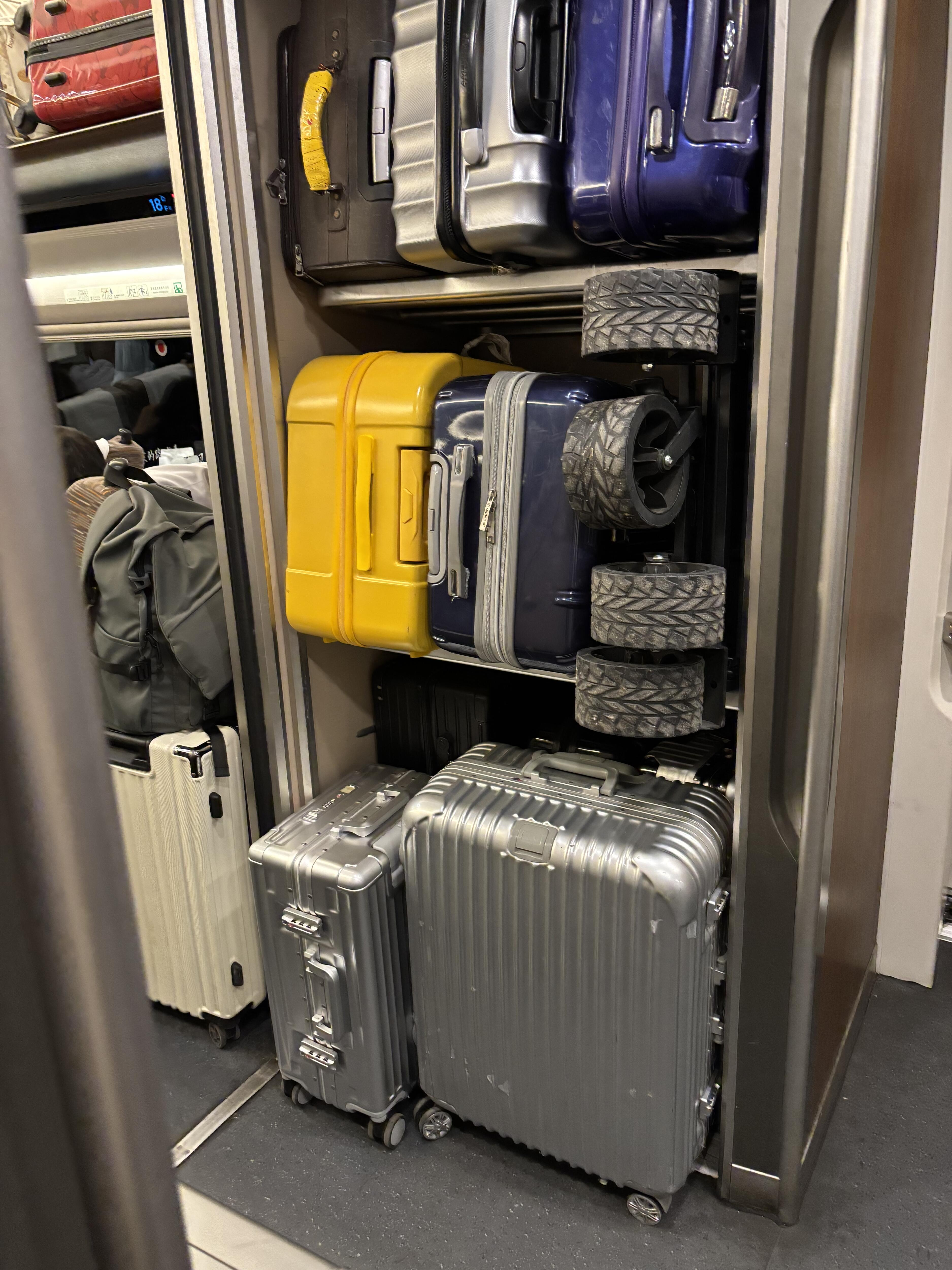
- Large luggage racks at the end of each carriage.
- Overhead racks for smaller bags (similar to airliners).
- Limit: usually 2 pieces, total weight under 20 kg for 2nd/1st class; 35 kg for business class. In practice, checks are rare unless luggage is obviously huge.
🔌Amenities
- Power outlets under seats (Type A, C, or both – bring a universal adapter).
- Toilets: Both squat and Western-style are available. Usually clean.
- Hot water dispensers in every carriage – free. Bring your own tea or instant noodles.
🍜Food & Drinks
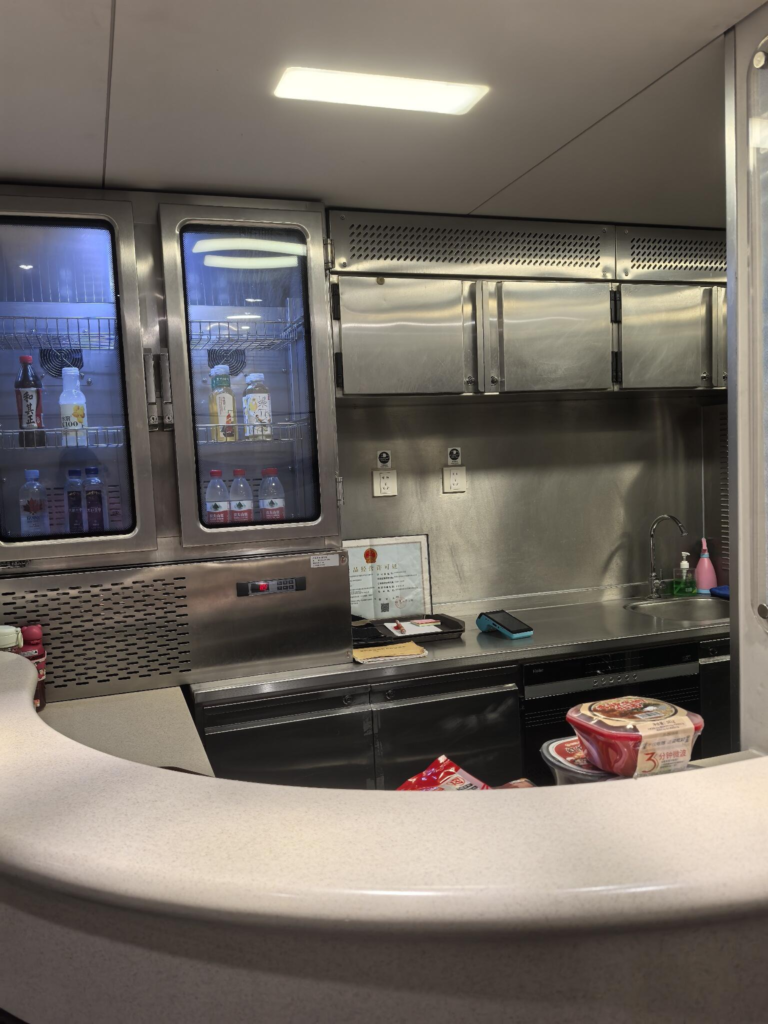
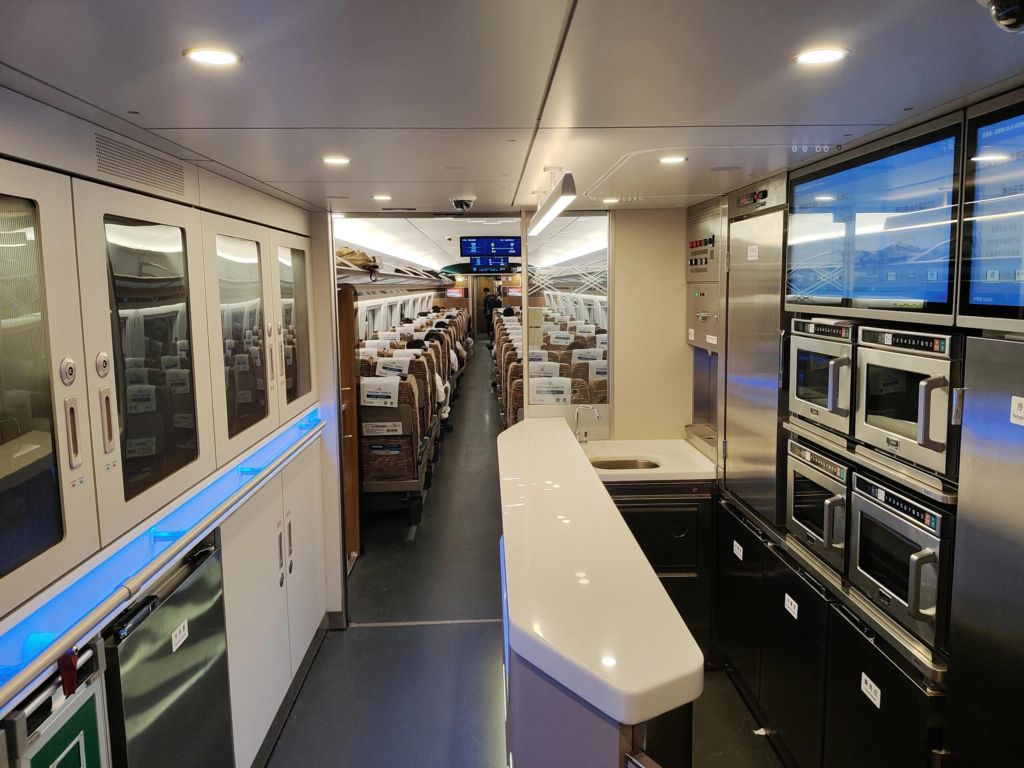
- A snack trolley passes through offering drinks, chips, cookies, and instant noodles (cash or WeChat/Alipay – foreign cards may not work; carry small RMB notes).
- Hot meals can be ordered via QR code on armrests (Chinese only, requires local payment). Alternatively, buy bento-style boxes at station convenience stores before boarding.
- Better yet, bring your own food.
4. 📌 Important Tips & Etiquette
Punctuality
Trains arrive and depart exactly on time. If you miss your train, you cannot board a later one – you must buy a new ticket at the station ticket office (and explain your situation).
Payment
- Many station shops and trolley vendors only take Alipay, WeChat Pay, or cash (RMB). Foreign credit cards are rarely accepted.
Smoking
Strictly prohibited on trains and in station buildings. Fine for smoking in toilets or on board. Designated smoking areas exist on some older stations’ platforms, but newer stations are entirely smoke-free.
Children
Children under 1.2m travel free when seated with an adult (no seat). Children between 1.2m–1.5m get half-price child tickets. You must add their passport info during booking.
5. 🏁Arriving at Your Destination
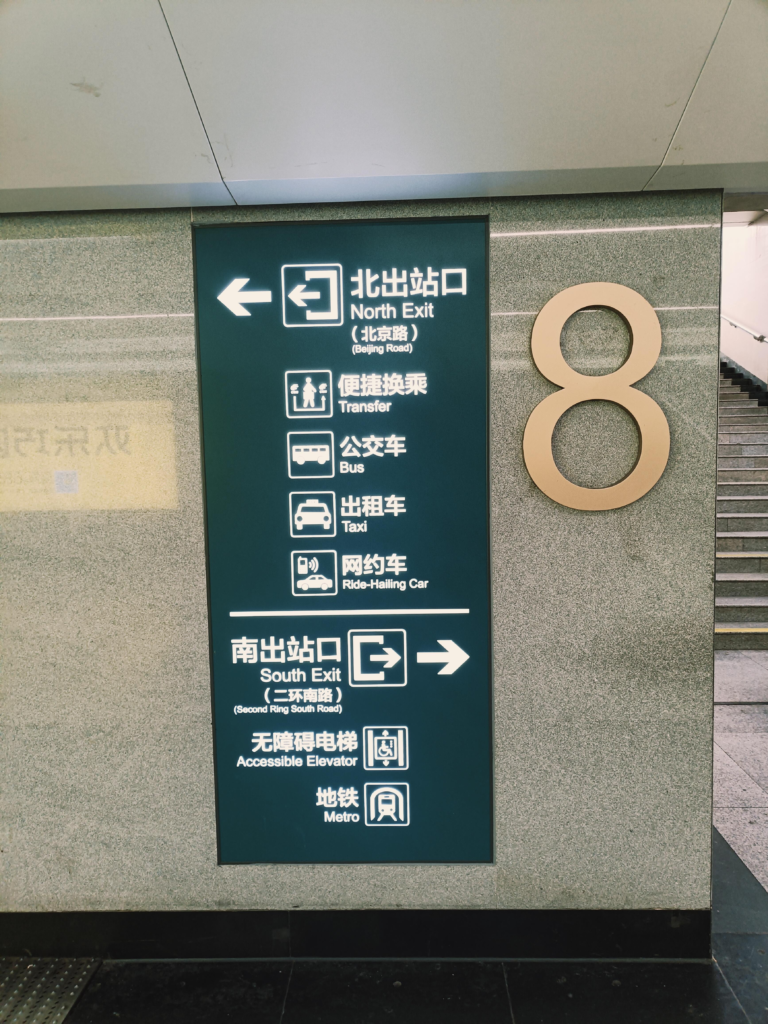
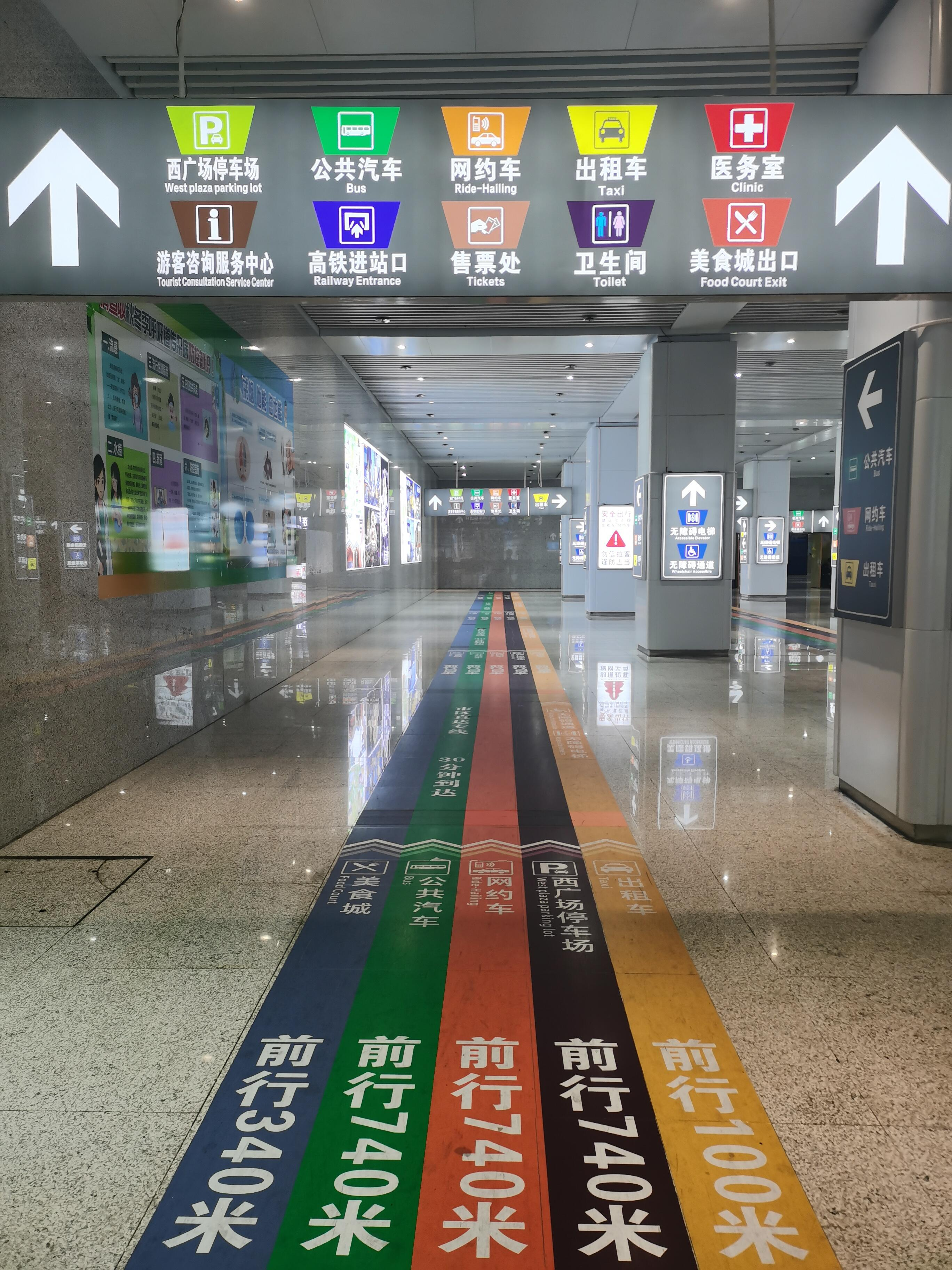
- Gather your luggage and exit the platform. Most stations have escalators/elevators.
- No ticket check on exit (unlike entry).
- Follow signs to:
- Metro / Subway (地铁, dìtiě)
- Taxi / Ride-hailing (出租车, chūzūchē or 网约车, wǎngyuēchē – Didi is the main app)
- Bus station
- Major stations are often connected directly to the metro – this is the fastest way into the city.
6. 🆘Emergency & Help
- Lost property: Contact station staff or the train conductor immediately. Or call 12306 (English service available – press for operator, ask “English please”).
- Medical emergency: Tell a conductor – trains have basic first aid and can arrange ambulance at next stop.
- Police at stations: Look for booths marked “Railway Police” – they may have limited English.
❓ Common Q&A
Do I need to print my ticket?
No. Your passport is your ticket. Printouts (booking confirmations) are only to help you remember details.
Can I change or refund a ticket?
Yes, but fees apply. More than 48 hours before departure: small fee. Within 48 hours: higher fee. After departure: usually not possible. Do changes via the app you booked with or at a station ticket counter.
Is there first-class lounges?
Business/First class passengers at large stations may access lounges (free snacks, drinks). Ask staff or look for signs.
What’s the difference between G, D, and C trains?
- G – Fastest (300–350 km/h), most expensive, long-distance.
- D – Slower (200–250 km/h), cheaper, often overnight.
- C – Intercity short runs (e.g., Beijing–Tianjin).
For most travelers, G trains are the default choice.
Can I bring a suitcase that’s slightly oversized?
Technically not, but staff rarely measure. If it’s obviously too big (e.g., 30 kg), they may ask you to check it (free) to a luggage car. Better to travel light.
💬Final Words
Don’t be intimidated – millions of foreigners have taken China’s high-speed trains smoothly. The system is designed for efficiency. Download a translation app, keep your passport handy, arrive early, and enjoy the ride. You’ll likely find it cleaner, quieter, and more comfortable than trains in most other countries.
Enjoy your journey!
🧳 Trip Planning Essentials
✈️ Flights, Trains & Hotels
Everything you need for your China journey. Book with Trip.com for the best local coverage and seamless English support.
🎟️ Tours & Attractions
Skip the queues and secure your spot at the Great Wall or Disneyland. Discover handpicked experiences on Klook or GetYourGuide.
💰 Payments & Currency
Cash is rare in China! Link your Wise card to Alipay or WeChat Pay to pay like a local with the lowest exchange fees.
🌐 Internet & Connectivity
Stay online without the Great Firewall. Get a Saily eSIM and pair it with NordVPN to access Google, Instagram, and WhatsApp instantly.
🚗 Airport Transfers & Ground Transport
Avoid the taxi line hassle. Pre-book a private car transfer or use Amap for a stress-free ride to your hotel.
📑 Visa & Travel Insurance
Don’t let the unexpected ruin your trip. Get your travel insurance and visa consultation sorted before you fly.
Disclaimer: This post contains affiliate links. If you book through these links, I earn a small commission at no extra cost to you. It helps me keep writing honest guides like this one.