Chongqing is loud, steep, and smells like chili oil and sizzling meat at every turn. On my first day in the city, I made a rookie mistake—I sat down for a proper hotpot dinner. Don’t get me wrong, it was incredible. But I quickly learned that the real way to eat here is with one hand holding a snack and the other navigating a staircase.
This isn’t a city where you plan three square meals a day. Chongqing is made for grazing. You walk, you see a line of locals huddled around a cart, you join it, and five minutes later you’re holding something warm, crispy, or alarmingly spicy. That’s the rhythm here. Let me walk you through how to eat your way through this insane, beautiful mountain city without ever needing a fork or a reservation.
🗺️ Where to Start: The Best Streets for a Food Crawl
Before we get into the snacks themselves, you need to know where to point your feet. Two streets dominate Chongqing’s street food scene, and honestly, you should hit both.
Bayi Food Street sits right next to the Jiefangbei monument in the city center. It’s touristy, sure, but don’t let that scare you off. The crowds are there for a reason. You’ll find everything from 30-year-old noodle stalls to viral new snacks, all packed into a chaotic, neon-lit stretch of pavement. One local described it to me as a “living museum of Chongqing snacks,” and honestly, that’s spot on. Bring small bills and an empty stomach.
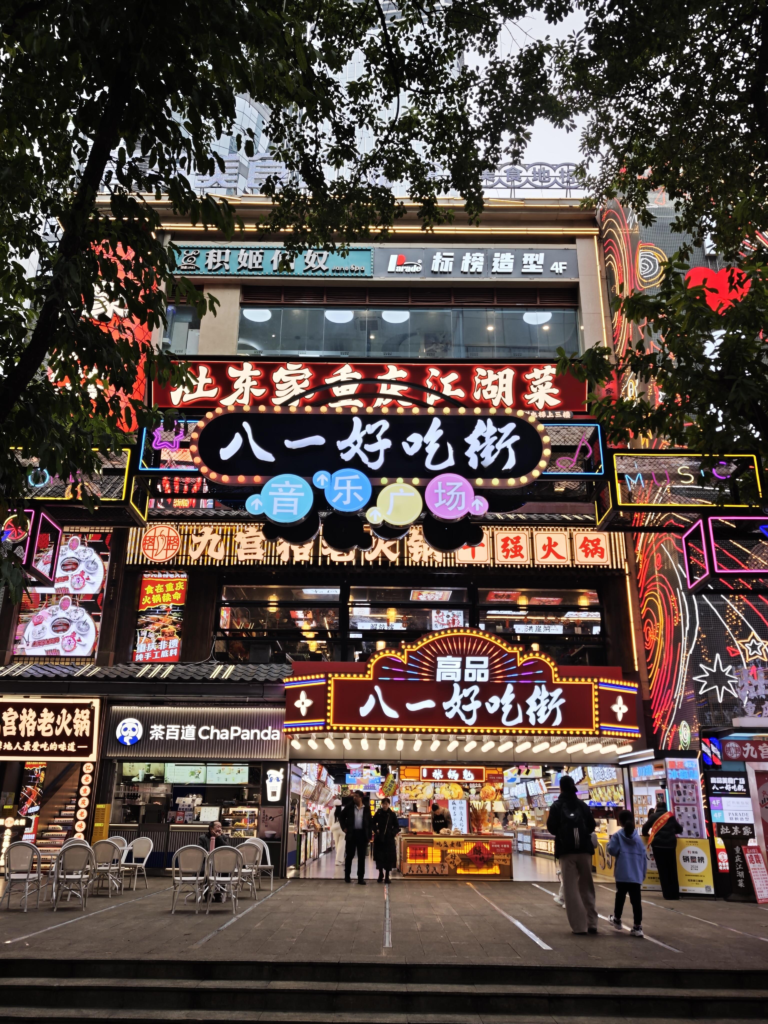
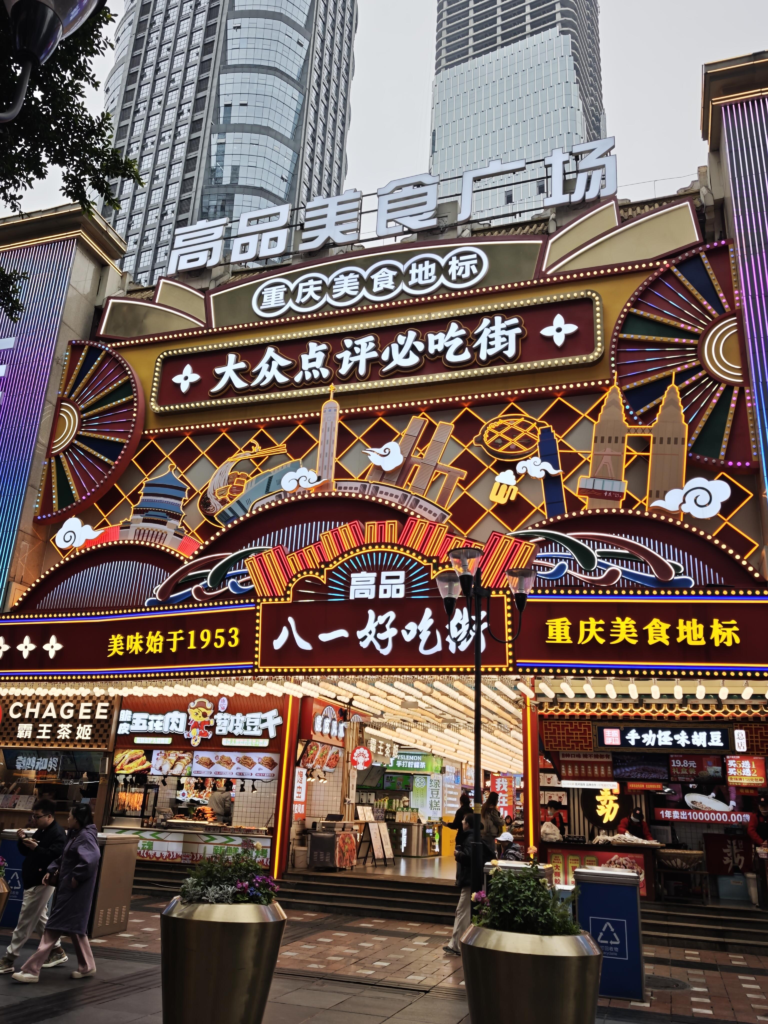
Then there’s Guanyin Bridge Food Street in Jiangbei District. This place never closes. Twenty-four hours a day, you can find something sizzling. The vibe is younger here—think narrow lanes, vendor calls, and the constant soundtrack of frying oil and laughter. I went around 9 PM and it was absolutely buzzing. Locals told me the best time is actually after 7 PM, when the night energy really kicks in.
📍 Pro tip: If you’re short on time, start at Bayi Road for the classics, then take the metro to Guanyin Bridge for late-night chaos. Both are easy to reach from central hotels.
🍜 The Snacks You Can’t Miss (And the Ones That Might Surprise You)
Here’s where things get fun. Chongqing street food isn’t about elaborate presentations or fancy dining rooms. It’s about texture contrasts and flavor bombs that hit you out of nowhere. Let me break down the ones I keep dreaming about.
Suan La Fen (Sour-Spicy Noodles) 🍜
This is the dish that had me sweating on a street corner and loving every second of it. Glassy sweet potato noodles swimming in a broth made from vinegar, chili oil, and Sichuan peppercorns. The noodles themselves are slippery and chewy, almost bouncy. Topped with crushed peanuts, preserved vegetables, and cilantro, it hits every note—sour, spicy, savory, nutty.
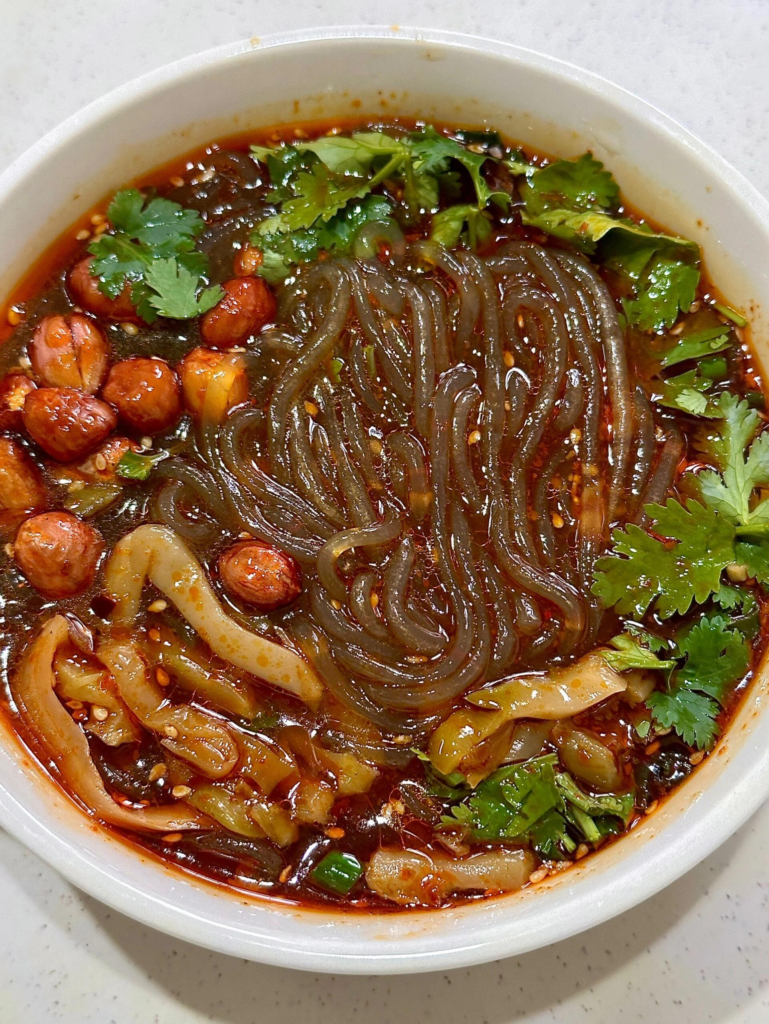
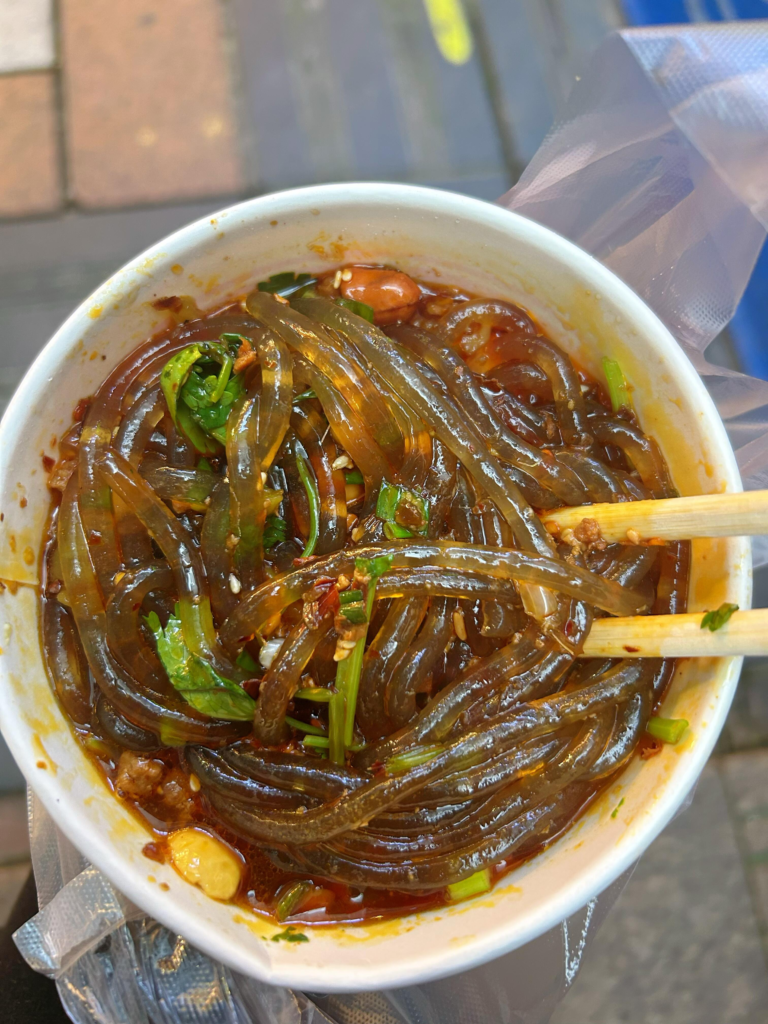
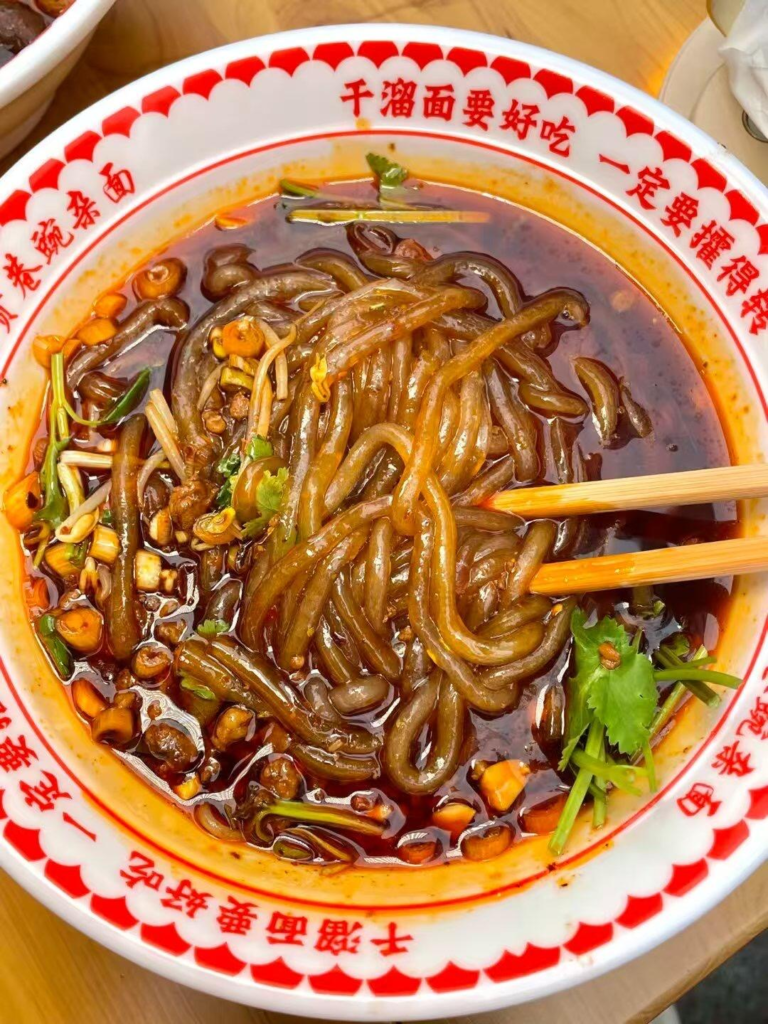
You’ll see stalls everywhere, but look for the ones with long queues. Haoyoulai on Bayi Road is a local institution that’s been doing this for decades. One bowl costs around ¥10–15 (about $1.50–2), and you’ll be done in five minutes.
The honest truth: Your mouth will go numb from the Sichuan peppercorns. That’s not a bug—it’s the feature. Embrace it. And have something cold ready nearby.
Guo Ba Yang Yu锅巴洋芋 (Crispy Potato with Rice Crust) 🥔
If you have a soft spot for potatoes, this will ruin you. Chunks of potato get pan-fried until they develop a crispy, almost crunchy exterior while staying soft and starchy inside. Then they’re tossed in a secret chili powder mix that’s smoky, salty, and has just enough kick. The contrast between the crackly crust and the fluffy interior is genuinely addictive.
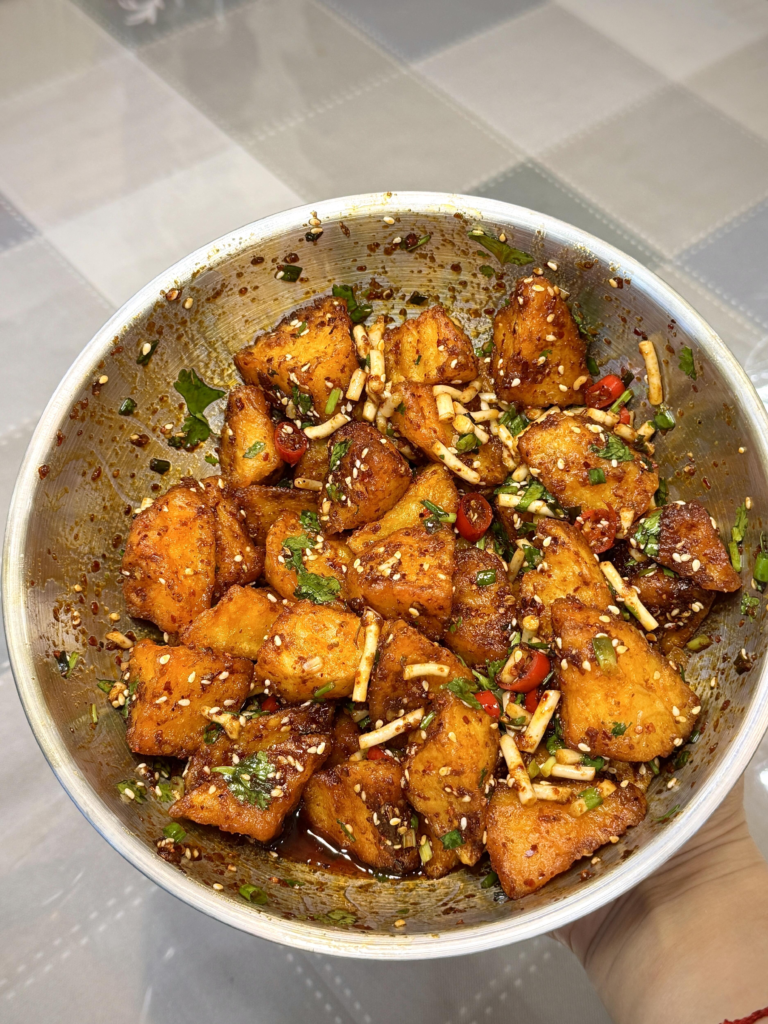
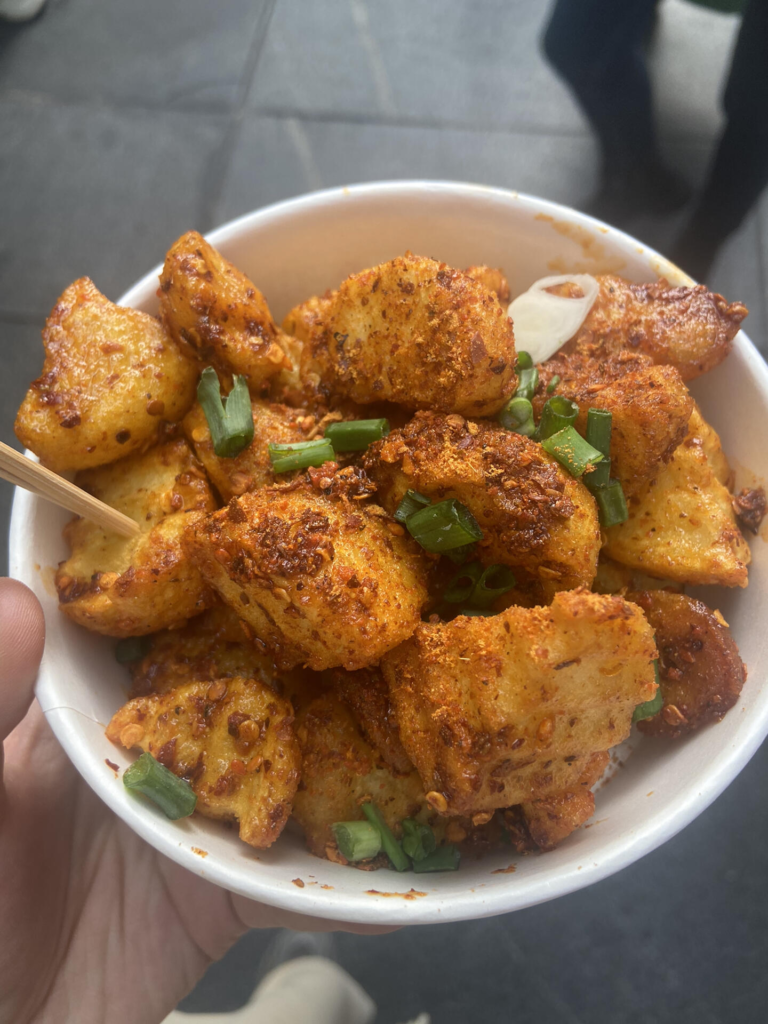
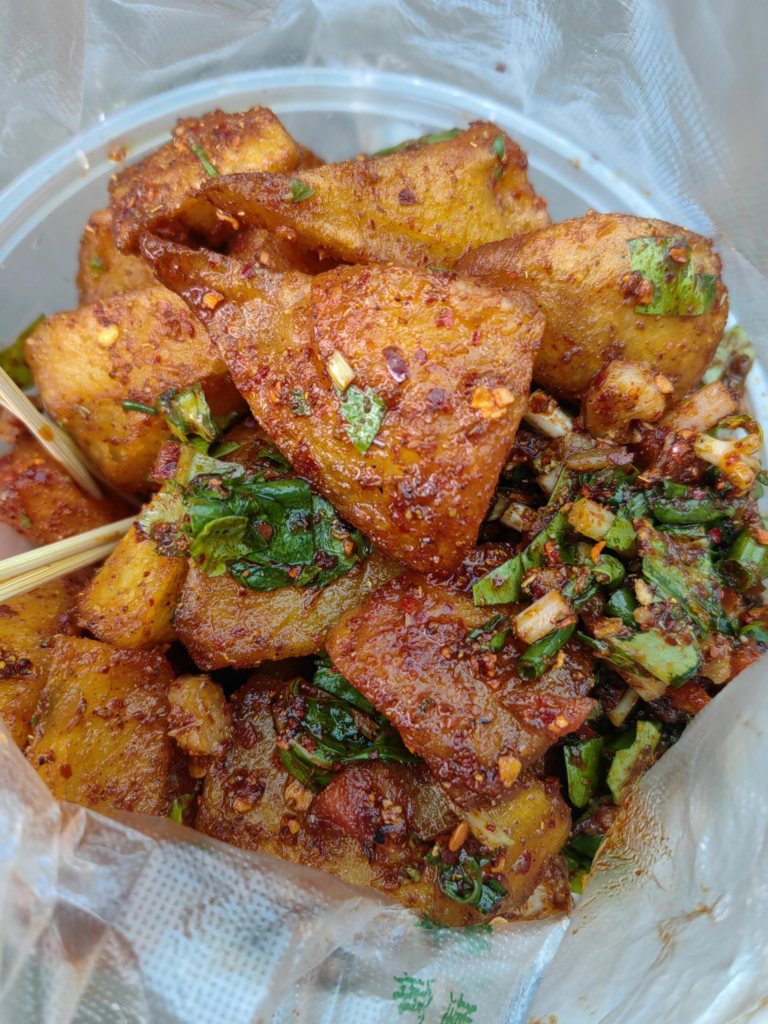
Some vendors add pork floss and mayo on top for an extra layer. I thought that sounded weird until I tried it. Now I think about it at least once a week.
Xiao Ci Ba小糍粑 (Small Glutinous Rice Cakes) 🍚
After a few rounds of spicy, your palate needs a break. That’s where xiao ci ba comes in. These are little pounded rice cakes, warm and chewy, usually rolled in crushed peanuts and sugar. Some stalls stuff them with sweet red bean paste or black sesame.
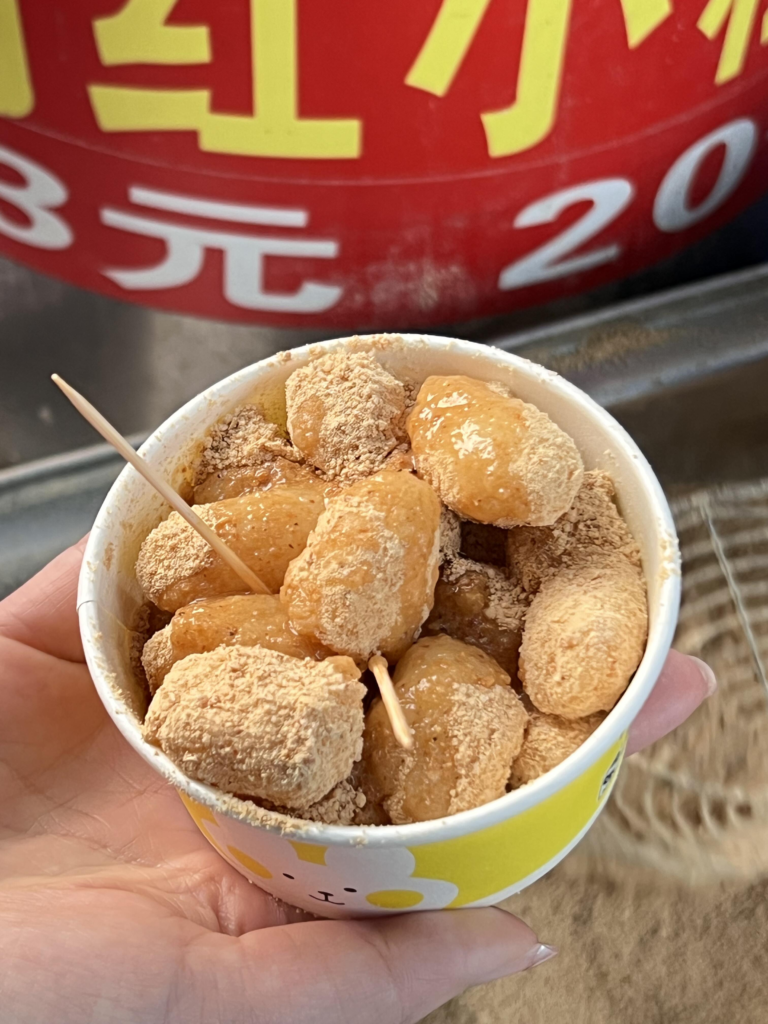
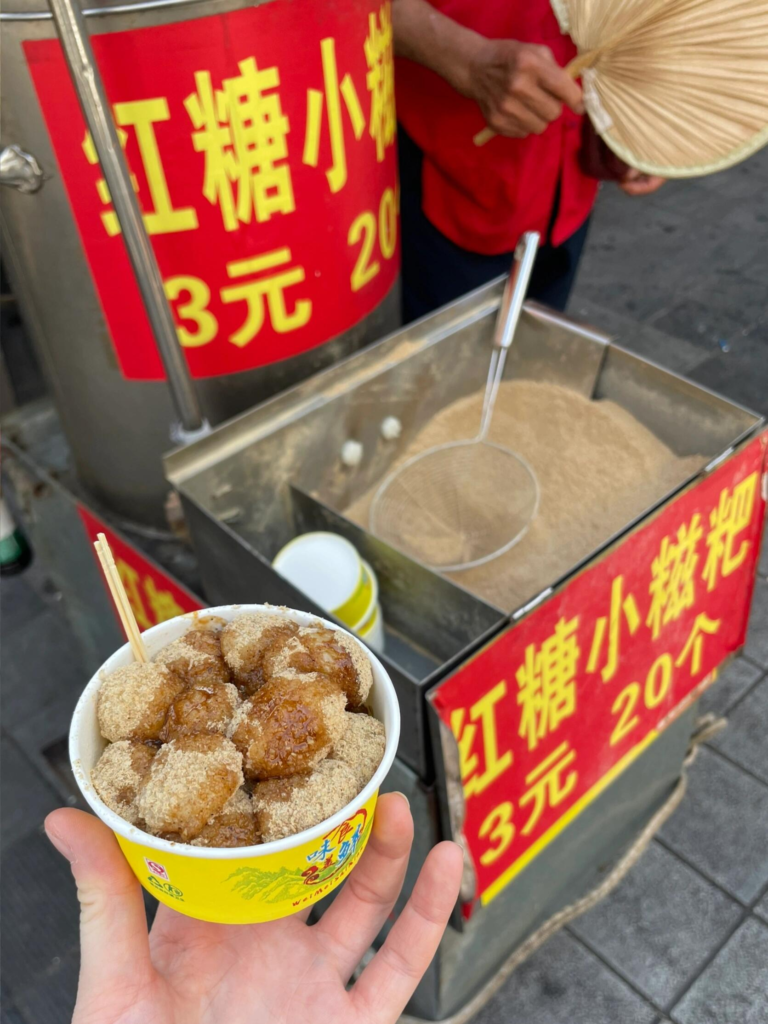
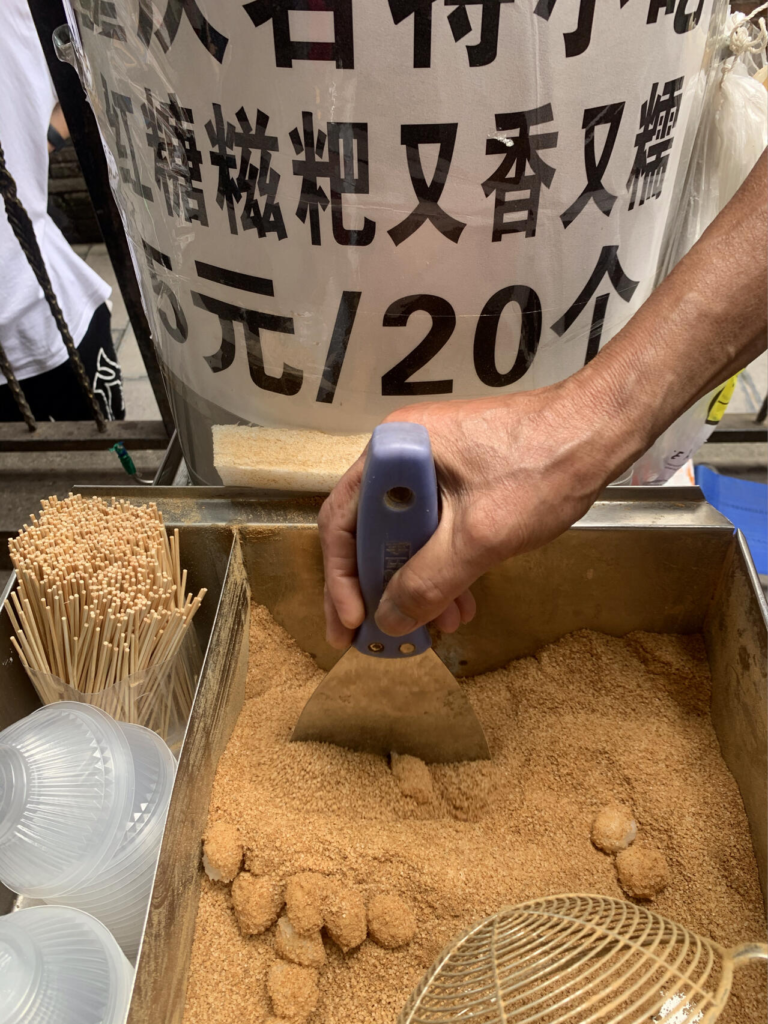
You’ll hear the vendors before you see them—they often have a little speaker calling out “ci ba, ci ba” in a loop. Grab a cup for ¥5 and eat it while you walk. It’s simple, comforting, and exactly what you need after suan la fen set your mouth on fire.
Dou Hua Fan 豆花饭(Tofu Pudding with Rice) 🍚
This one’s interesting. Dou hua fan is soft tofu pudding served over rice, topped with chili oil, Sichuan peppercorn, scallions, and sometimes crushed peanuts. It sounds strange to a Western palate—tofu for breakfast? With rice? And it’s spicy?
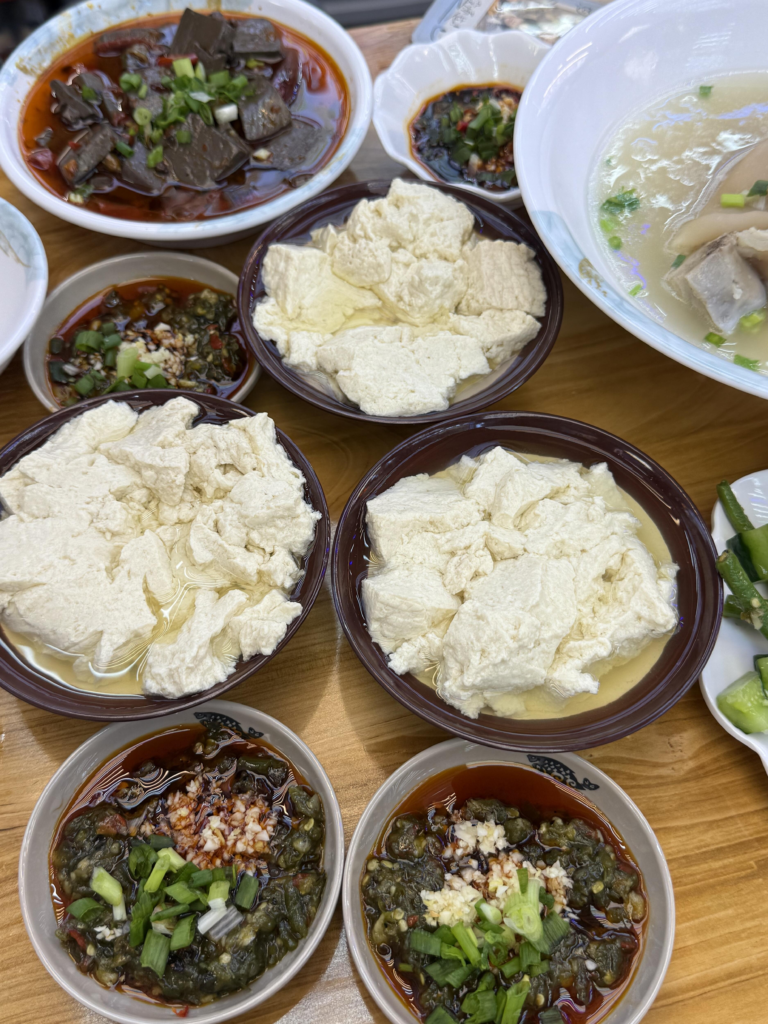
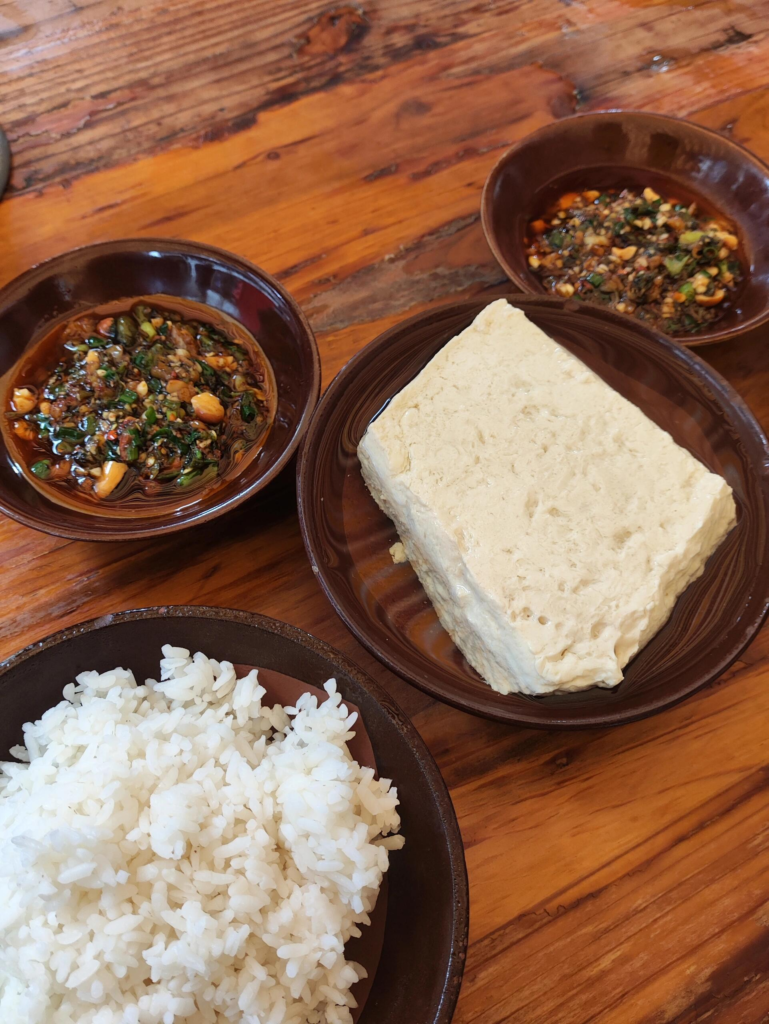
But here’s the thing: it works. The tofu is silky and mild, the rice is neutral, and the toppings bring the heat. Locals eat this for breakfast, lunch, or a late-night bite. You’ll find it at tiny sidewalk shops with plastic stools.
What I wish I knew before trying it: Order “wei la” (mild spice) your first time. The standard version can be intense even for spice lovers.
Liang Mian 凉面(Cold Noodles) 🥢
When the humidity hits—and trust me, it will—you’ll want liang mian. Cold wheat noodles tossed in a sauce made from sesame paste, chili oil, vinegar, and garlic, topped with shredded cucumber and peanuts. It’s refreshing in a way that sounds impossible for something covered in chili.
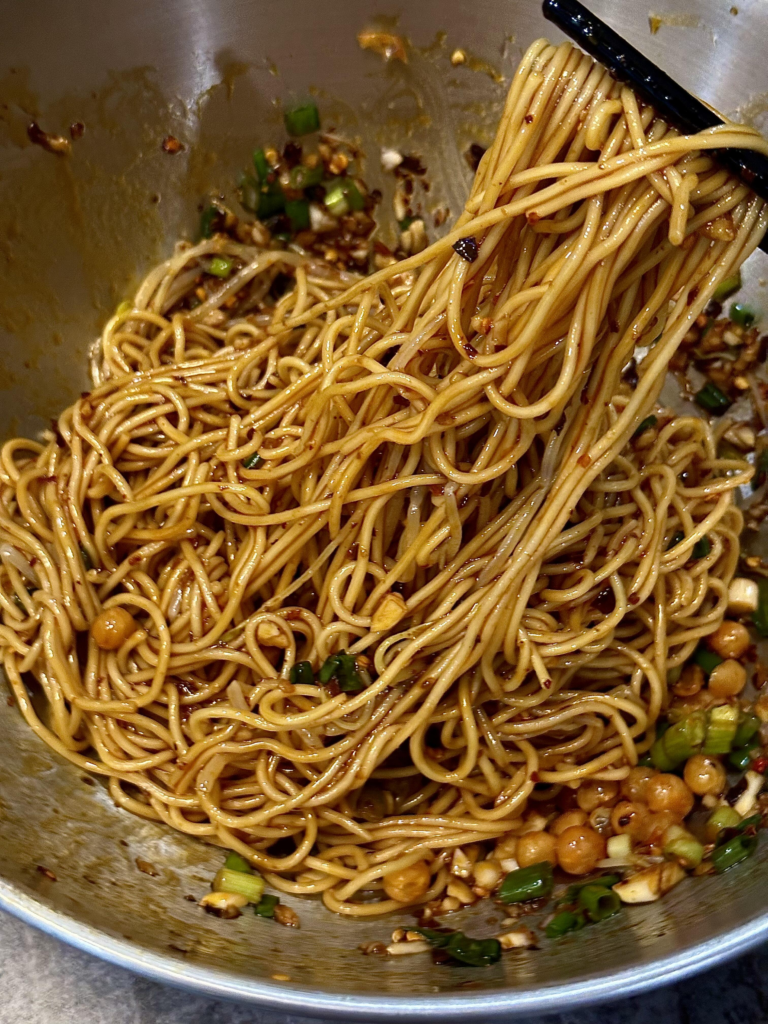
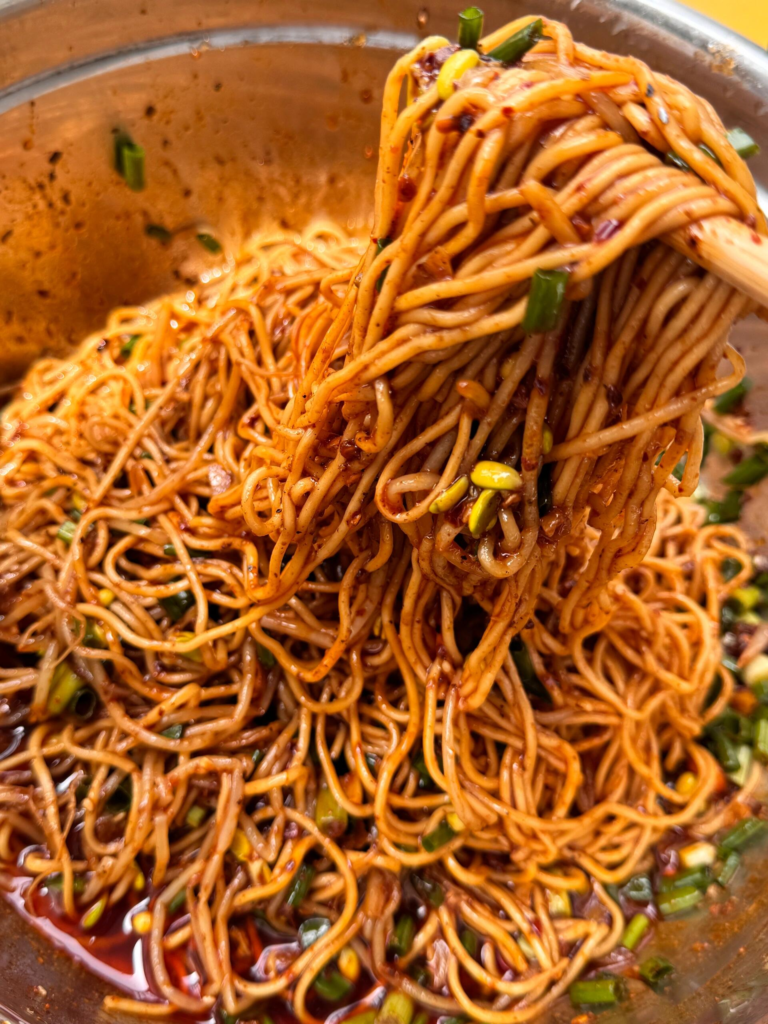
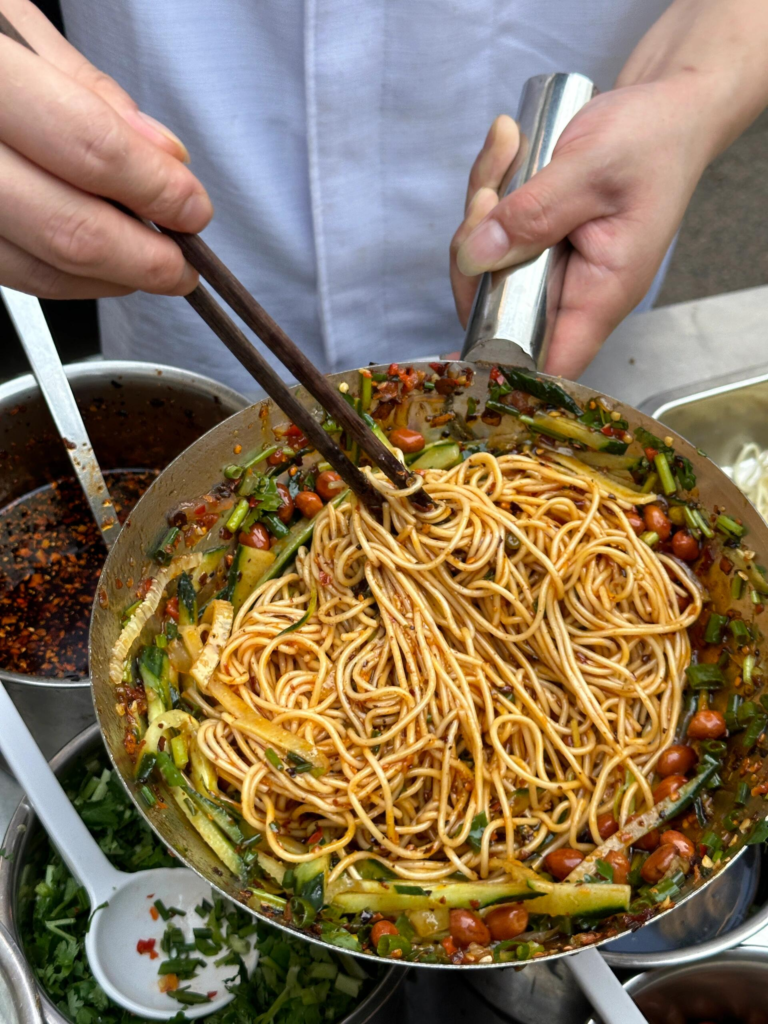
You can find this at almost any street stall during warmer months. It’s light enough to eat as a snack but substantial enough to count as a small meal.
Liang Xia 凉虾(Ice Jelly with “Cold Shrimp”) 🦐
Don’t let the name throw you. There are no actual shrimp in this. Liang xia gets its name because the rice flour jelly is shaped into little tails that look like shrimp. It’s served in sweet brown sugar syrup with ice, sometimes topped with osmanthus or rose.
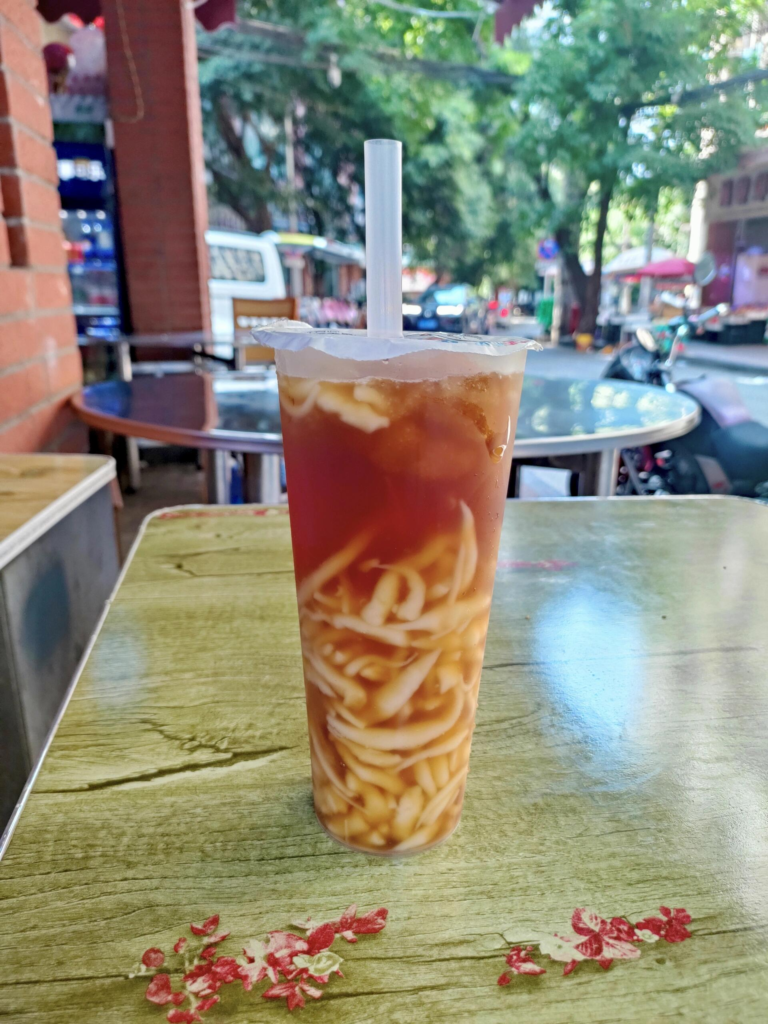
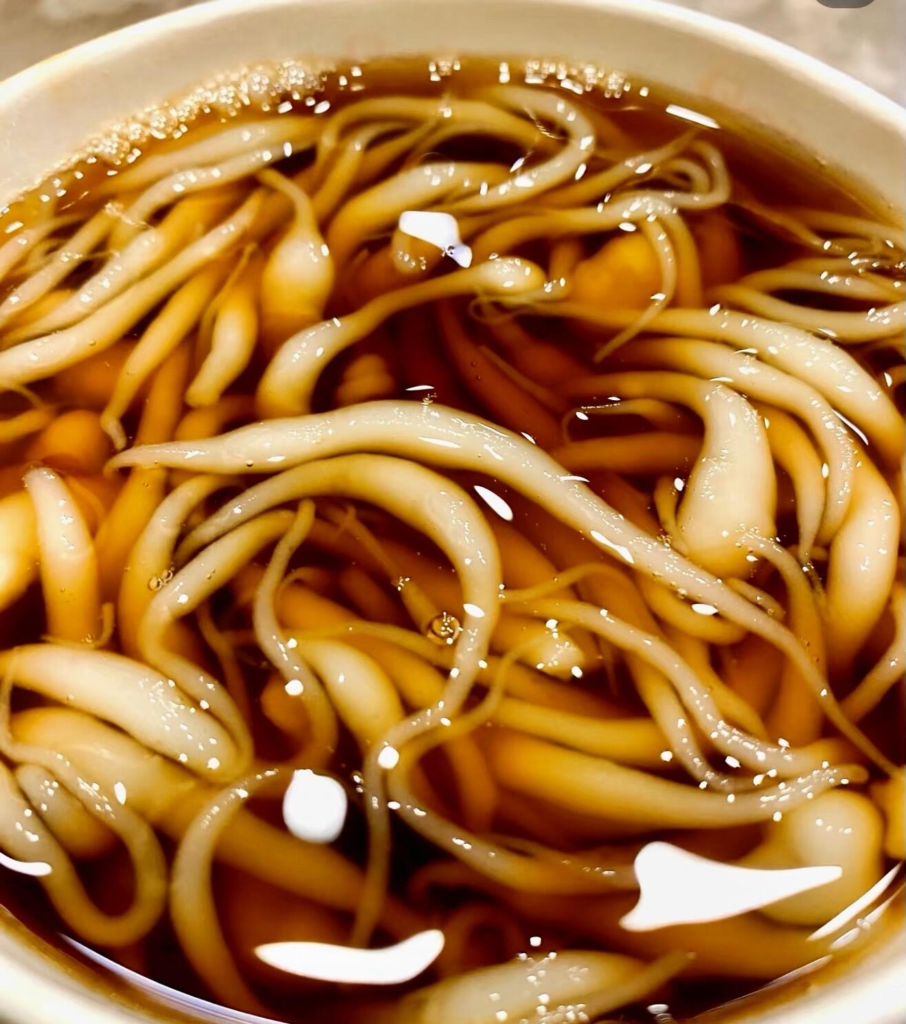
On a hot afternoon, this is heaven. It’s sweet, cold, slippery, and weirdly satisfying. You’ll find it sold alongside bing fen (ice jelly) in the summer months.
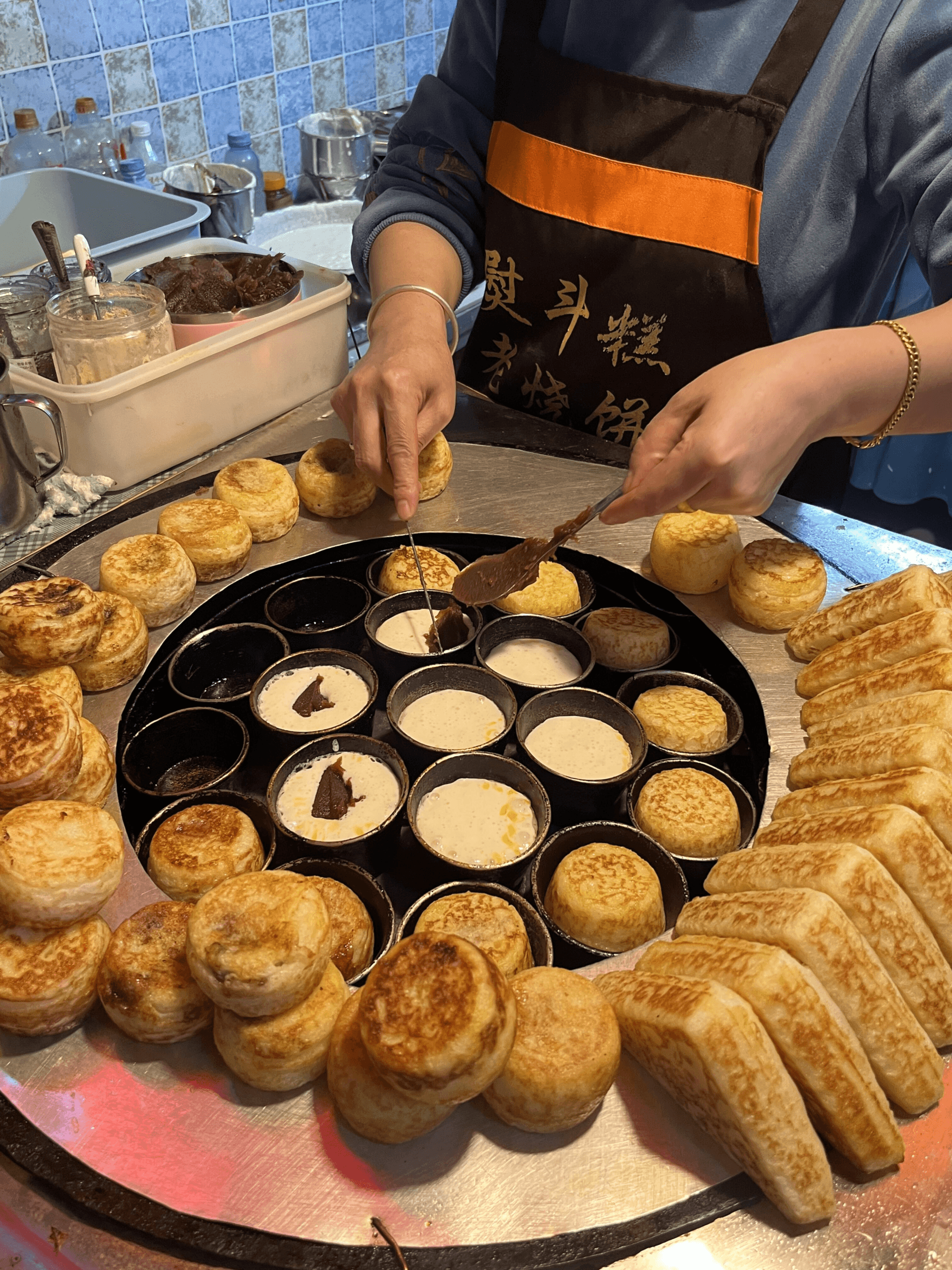
Yu Dou Gao & San Jiao Ba 熨斗糕 & 三角粑(Flatiron Cake & Triangular Rice Cake) – The Old-School Classics 🥞
These two are for the nostalgia seekers. Yu dou gao is a little round cake made from rice flour, egg, and sugar, baked in a special flatiron-shaped mold until the outside is crispy and the inside is soft like a cloud. San jiao ba is exactly what it sounds like—a triangular rice cake, usually grilled until golden.
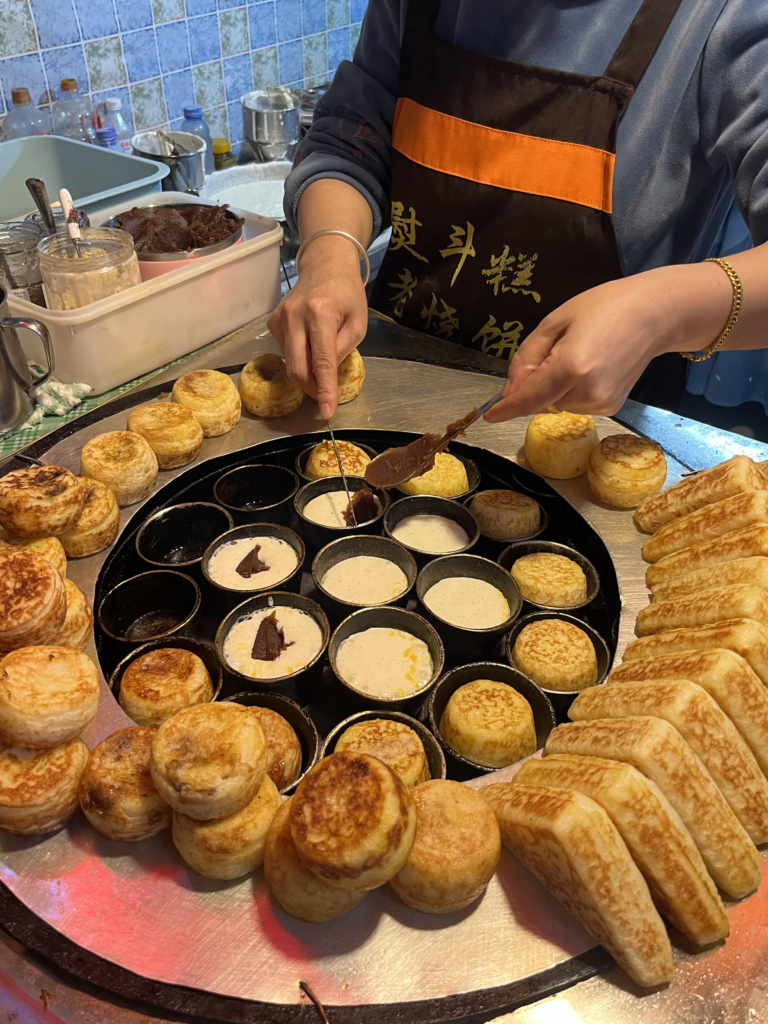
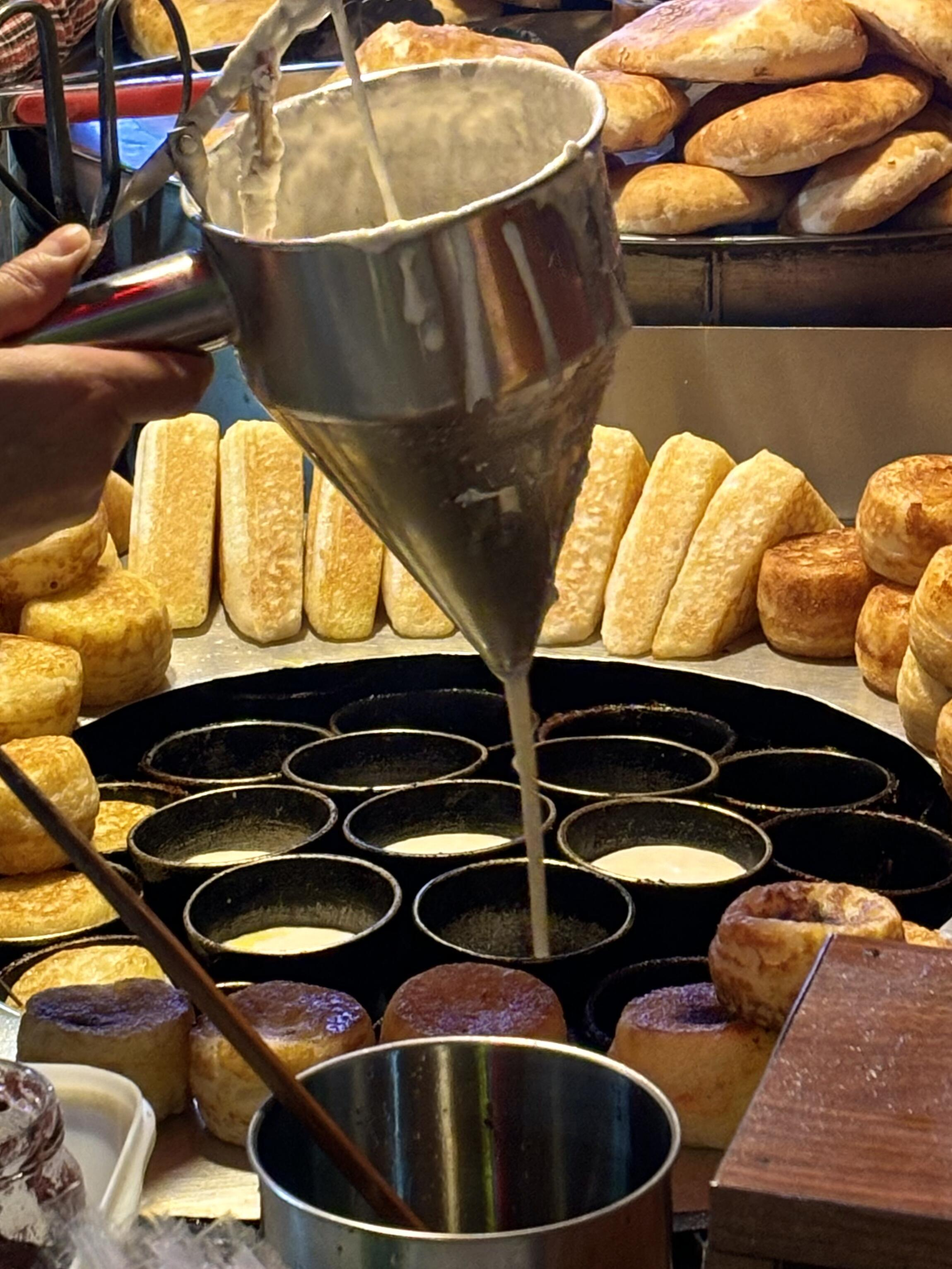
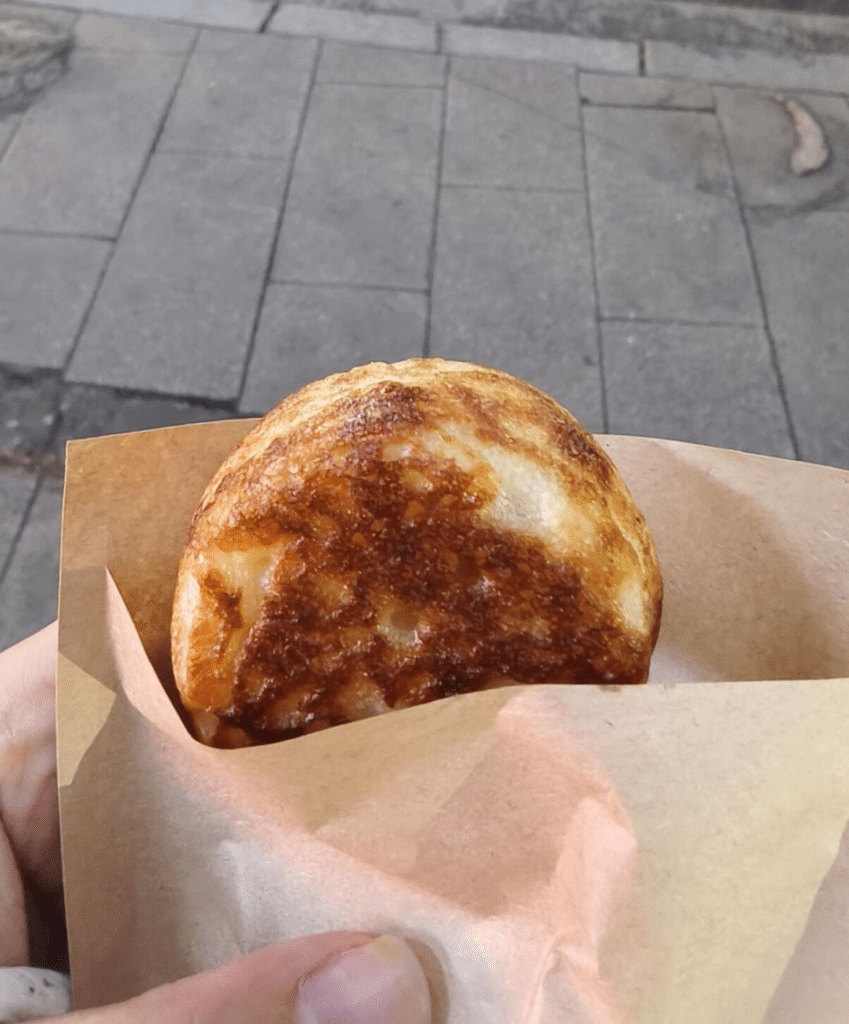
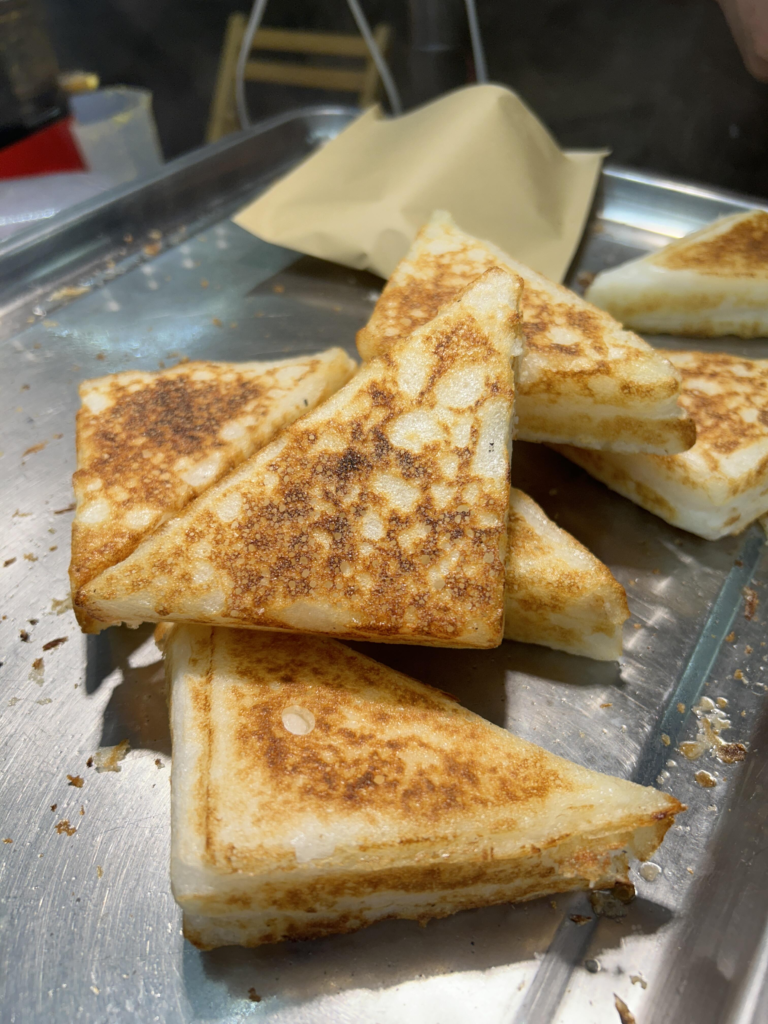
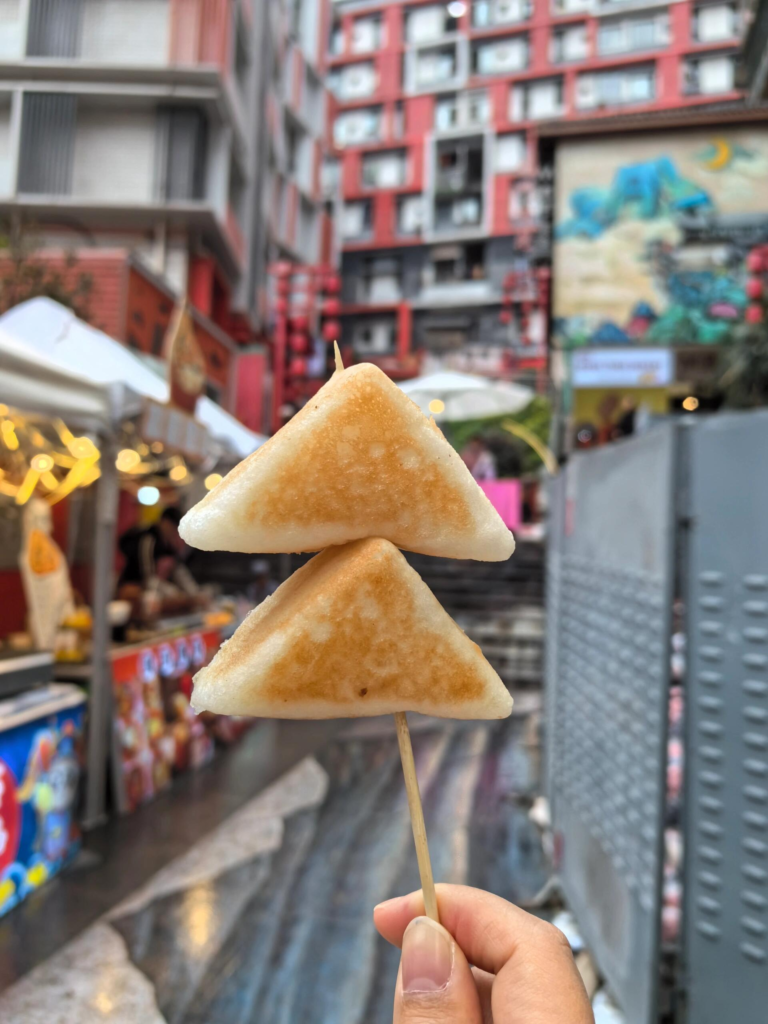
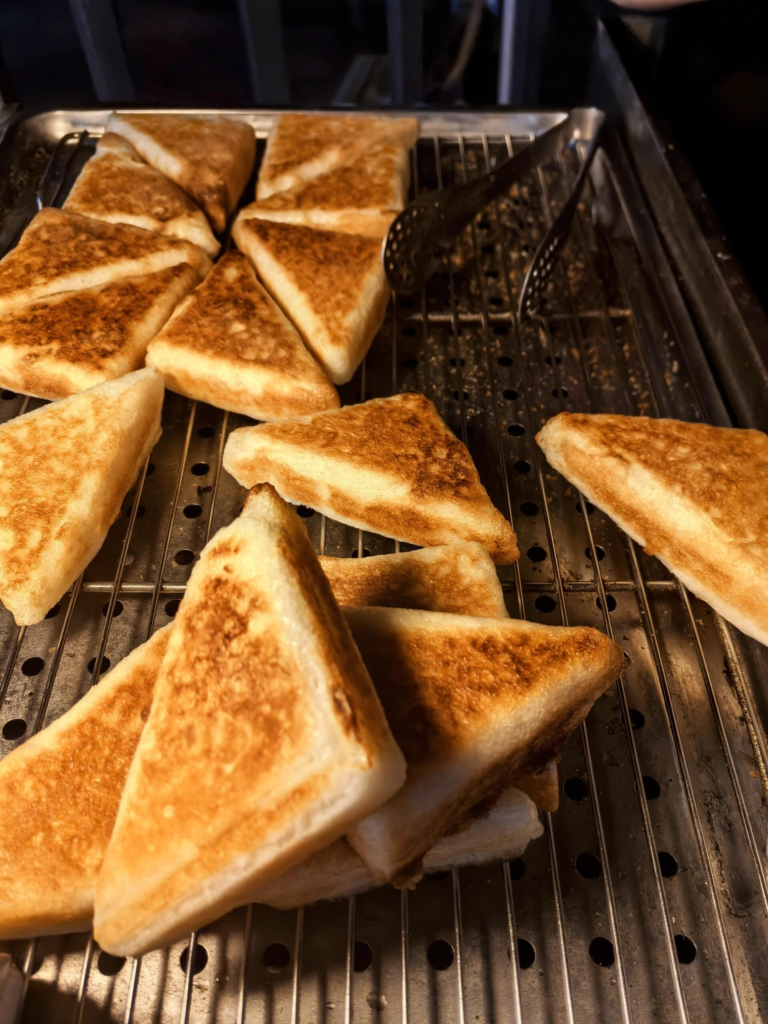
Neither is spicy. Both are cheap (¥3–5 each). You won’t find them at the big food streets as often anymore; you have to wander into older neighborhoods like Jiaochangkou. But if you spot a little old lady with a cast-iron mold and a coal fire, stop. That’s the real deal.
🥤 Drinks & Cool-Downs: Your Spice Emergency Kit
I learned this the hard way. After three spicy snacks in a row, I needed help. Water doesn’t cut it—the chili oil just floats. What you actually want is:
- Cold soybean milk (dou jiang豆浆): Sweet, creamy, and surprisingly effective at cooling your mouth. Available at most breakfast stalls.
- Yogurt drink酸梅汁: Look for a little glass bottle. It’s thin, slightly sweet, and works fast.
- Bing fen (ice jelly冰粉): Transparent jelly made from a plant seed, served in brown sugar syrup with dried fruits and nuts. It’s the official dessert of Chongqing summers.
☝️ My rule now: For every two savory snacks, get one sweet or cold thing. Your palate will thank you.
⚠️ Real Talk: What No One Tells You Before Your First Bite
I’m going to be straight with you. Eating street food in Chongqing is amazing, but there are things you should know that most glossy travel guides won’t mention.
The spice is not a joke. Sichuan peppercorns don’t just add heat—they add a numbing, tingling sensation called ma. It’s disorienting the first time. Your lips might feel like they’re vibrating. That’s normal. Start with “wei la” (mild) and work your way up.
You need Alipay or Wechat. Most street vendors don’t take cards, and mobile payments like Alipay and WeChat Pay dominate in China. It will be very convenient if you have WeChat or Alipay.
Language is a challenge. Menus are in Chinese, and English is rare outside of major tourist spots. I spent my first day pointing at what other people were eating and holding up fingers for how many I wanted. It works. Translation apps help, but sometimes the adventure is in not knowing exactly what you’re getting.
Hygiene varies. Most street food is perfectly safe—I never got sick. But use common sense. Look for stalls that are busy, especially with locals. If there’s a line, that’s a good sign. Avoid places where food has been sitting out uncovered for a while.
Your stomach needs an adjustment period. If you have a sensitive digestive system, don’t go from zero to ten spicy on day one. Ease into it. Your gut flora isn’t used to this level of chili oil, and it will let you know.
Comfortable shoes are non-negotiable. You’ll walk more than you expect, and Chongqing is hilariously hilly. You might go up three flights of stairs to get to what looks like “ground level” on your map. I wore sneakers and still felt my calves by day two.
🤔 FAQ: Is Street Food in Chongqing for You?
Let me answer the questions I get asked most often by travelers planning their first trip.
Is this suitable for English speakers?
Short answer: Yes, but with some creativity. Street stalls rarely have English menus. I got by with a combination of pointing, translation apps (Google Translate works offline), and watching what locals ordered. A few vendors at major food streets like Bayi Road have picture menus now, but don’t count on it. Bring a sense of humor and be ready to try things without knowing exactly what they are.
Is it suitable for older travelers?
Short answer: Yes, but with pacing. The food itself is fine for most seniors, but the experience involves a lot of standing, walking, and stairs. There aren’t many places to sit at street stalls—you’ll eat standing up or on a tiny plastic stool. If mobility is a concern, I’d recommend focusing on covered food courts or small sit-down noodle shops instead of crowded night markets. The heat and humidity in summer can also be intense, so plan your food crawl for cooler evening hours.
Is it suitable for kids?
Short answer: Yes, with supervision. Young kids will love the sweeter snacks like xiao ci ba (rice cakes) and liang xia (ice jelly). Older kids might get a kick out of trying “adventurous” spicy foods. But be careful—the spice level in even “mild” dishes can be too much for young palates. Stick to non-spicy options for little ones. Also, crowded food streets can be overwhelming for small children, especially at night. Go earlier in the evening (5–7 PM) when it’s busy but not insane.
Is it suitable for couples?
Short answer: Absolutely. Eating your way through a food street together is one of the most fun date activities in Chongqing. Share small plates, compete over who can handle more spice, and discover weird things together. My partner and I still laugh about the time we accidentally ordered pig brain and had to pretend we loved it. The only downside? It’s not exactly romantic dining—you’ll be in crowds, standing up, with chili oil on your fingers. Save the candlelit dinner for another night.
Should I join a guided food tour or go solo?
This comes down to your personality and priorities.
Join a tour if:
- You want a local to handle the language barrier and ordering
- You want curated, high-quality spots without trial and error
- You’re short on time and want maximum efficiency
- You’re nervous about street food hygiene or spice levels
Go solo if:
- You love wandering and discovering things by accident
- You want to eat at your own pace and spend as little as you like
- You’re on a tight budget (tours cost around $50–85 per person)
- You’re comfortable with a little chaos and uncertainty
💰 What It Actually Costs (Real Numbers)
I tracked my spending on my last trip so you don’t have to guess.
| Snack | Price (CNY) | Price (USD) |
|---|---|---|
| Xiao mian (noodles) | ¥8–15 | $1.10–2.10 |
| Suan la fen | ¥10–15 | $1.40–2.10 |
| Guo ba yang yu (crispy potato) | ¥5–10 | $0.70–1.40 |
| Xiao ci ba (rice cakes) | ¥3–5 | $0.40–0.70 |
| Dou hua fan (tofu with rice) | ¥8–12 | $1.10–1.70 |
| Bing fen / liang xia | ¥5–8 | $0.70–1.10 |
| Soybean milk | ¥2–4 | $0.30–0.55 |
You can eat like a king for ¥50–80 ($7–11) per day if you stick to street food. That’s insane value.
So put on your walking shoes, keep small bills in your pocket, and go get lost on a food street. Eat things you can’t pronounce. Sweat a little. Laugh at yourself when you overdo the spice. That’s Chongqing. That’s the adventure.
Ready to eat? 👇
🎟️ Book a Chongqing food tour – English-speaking guides available
🧳 Trip Planning Essentials
✈️ Flights, Trains & Hotels
Everything you need for your China journey. Book with Trip.com for the best local coverage and seamless English support.
🎟️ Tours & Attractions
Skip the queues and secure your spot at the Great Wall or Disneyland. Discover handpicked experiences on Klook or GetYourGuide.
💰 Payments & Currency
Cash is rare in China! Link your Wise card to Alipay or WeChat Pay to pay like a local with the lowest exchange fees.
🌐 Internet & Connectivity
Stay online without the Great Firewall. Get a Saily eSIM and pair it with NordVPN to access Google, Instagram, and WhatsApp instantly.
🚗 Airport Transfers & Ground Transport
Avoid the taxi line hassle. Pre-book a private car transfer or use Amap for a stress-free ride to your hotel.
📑 Visa & Travel Insurance
Don’t let the unexpected ruin your trip. Get your travel insurance and visa consultation sorted before you fly.
Disclaimer: This post contains affiliate links. If you book through these links, I earn a small commission at no extra cost to you. It helps me keep writing honest guides like this one.