Taking the subway in China for the first time can feel a little overwhelming – where’s the entrance? What’s with the security check? How do you pay with your phone? Don’t worry, it’s actually much simpler than it looks. This guide walks you through every step: from finding the right entrance, passing security, scanning your QR code, boarding the train, to exiting like a pro. It also includes insider tips – like why rush hour is a beast, which side of the escalator to stand on, and why security might ask you to “take a sip.” Icons make it easy to scan. Whether you’re visiting or just moved to China, follow this guide and you’ll navigate the metro system with confidence.
🚇 Step 1: Entry & Security
Look for the street-level sign with a “track” or city logo – that’s your subway entrance.
Find the right entrance: Most stations have multiple exits (A, B, C, etc.). If you’re heading to a specific attraction, check the map and pick the closest exit. It can save you a lot of walking.
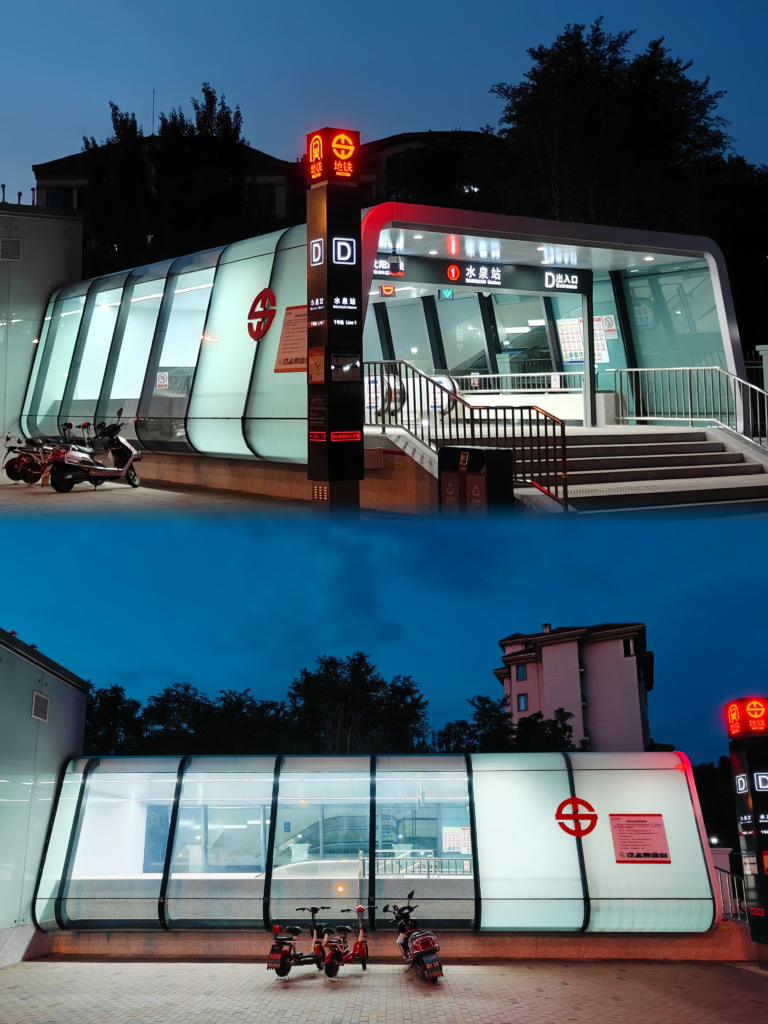
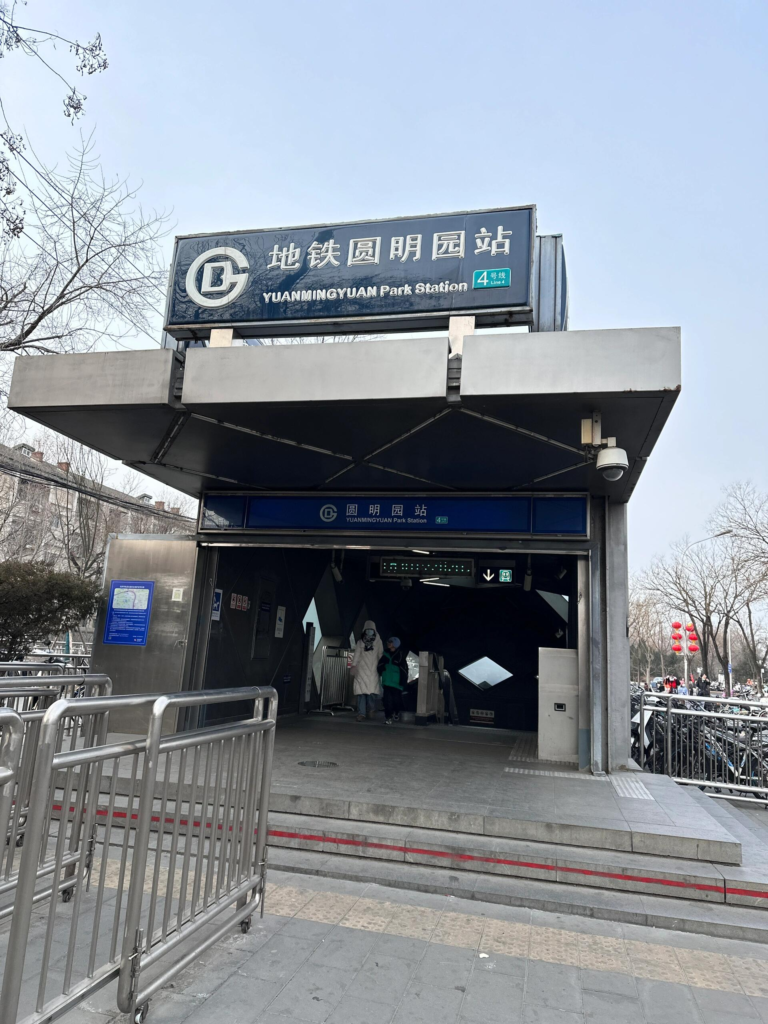
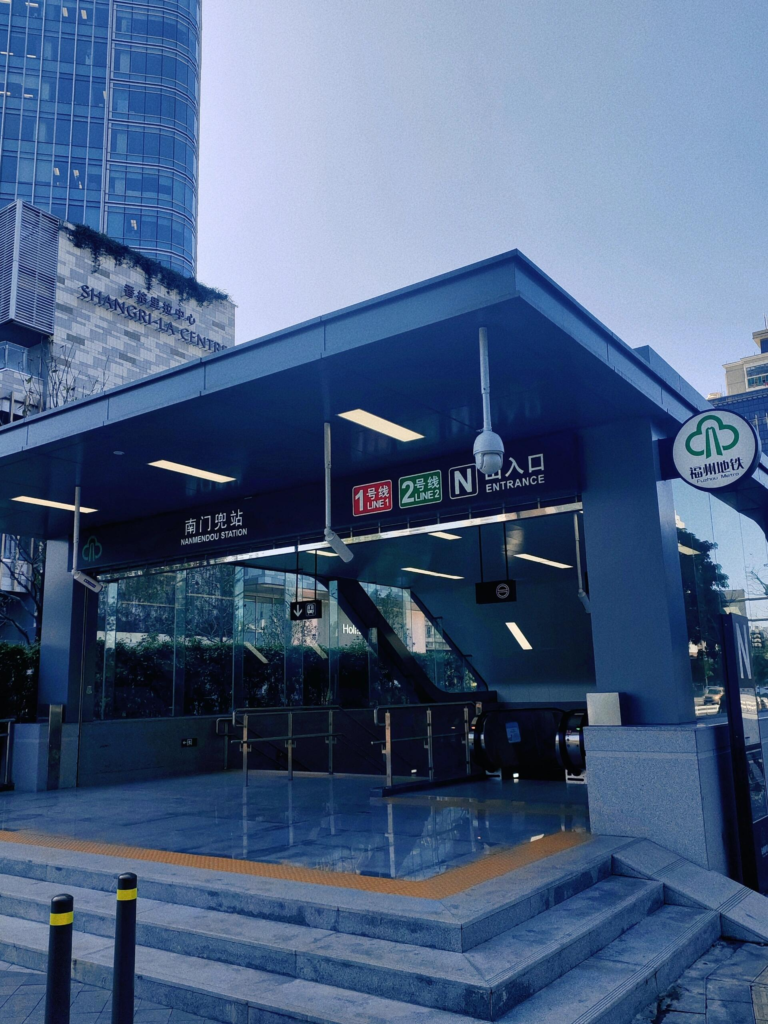
Mandatory security check: This is a signature part of Chinese metro travel. All backpacks and suitcases go through the X-ray machine.
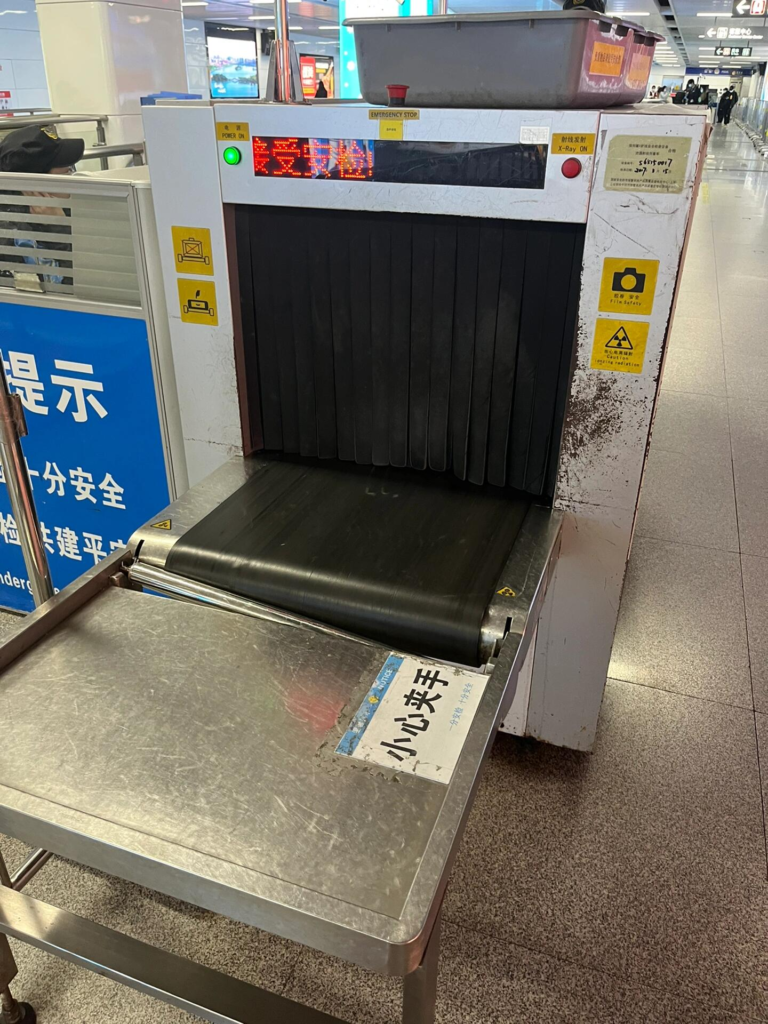
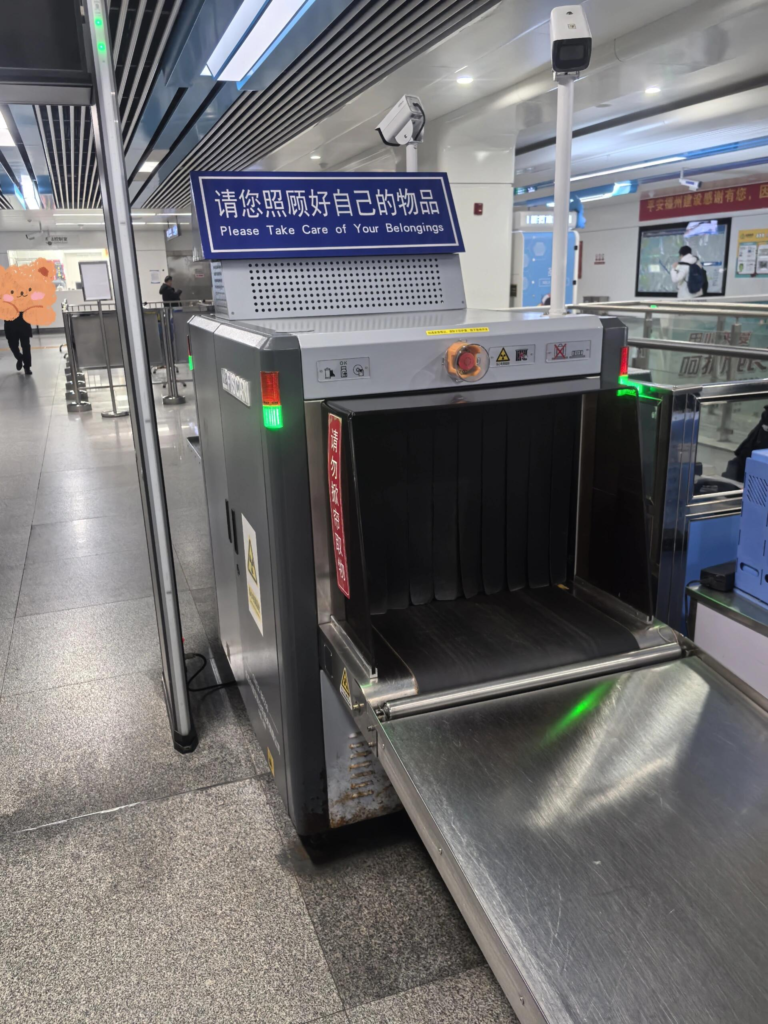
From experience: If you’re just carrying a small crossbody bag, security might just give it a quick scan with a handheld detector – it’s fast.
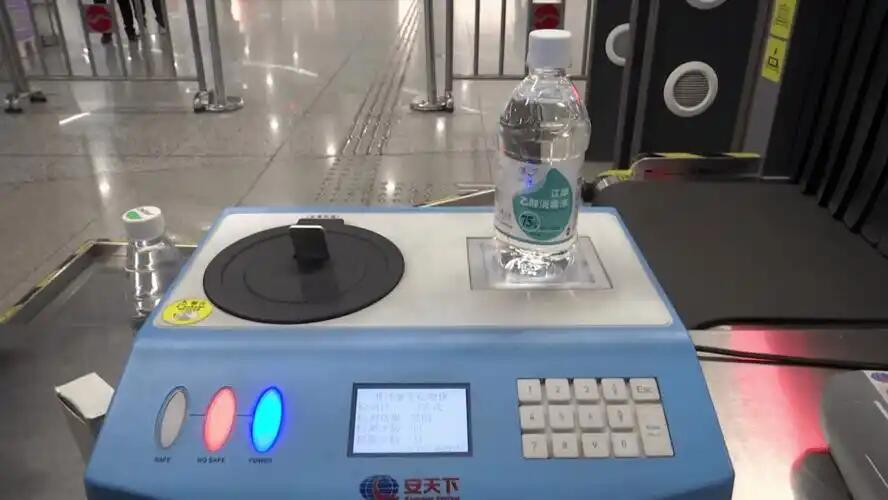
🥤 Liquid check: If you’re holding an open water bottle or coffee, they might ask you to “please take a sip.” Just do it, no need to feel nervous.
💳 Step 2: Payment & Turnstiles
Skip the ticket machines – that’s so last century.
Use Alipay:
- Open Alipay and tap “Transport” at the top of the home screen.
- Make sure the city is set correctly, then tap “Metro” to get your digital transit card.
- You’ll get a QR code.
Scan to enter: Hold your QR code over the scanner on the turnstile (usually a small glass window facing upward). Hear the “beep,” the gate opens – go on through.
Important: Scan when you enter, and scan again when you exit. The system automatically deducts the fare based on your trip.
🚉 Step 3: Boarding the Train
Once you’re past the gates, follow the line’s color and number.
Check your direction: There’s a big route map on the platform. See whether your stop is before or after the current one.
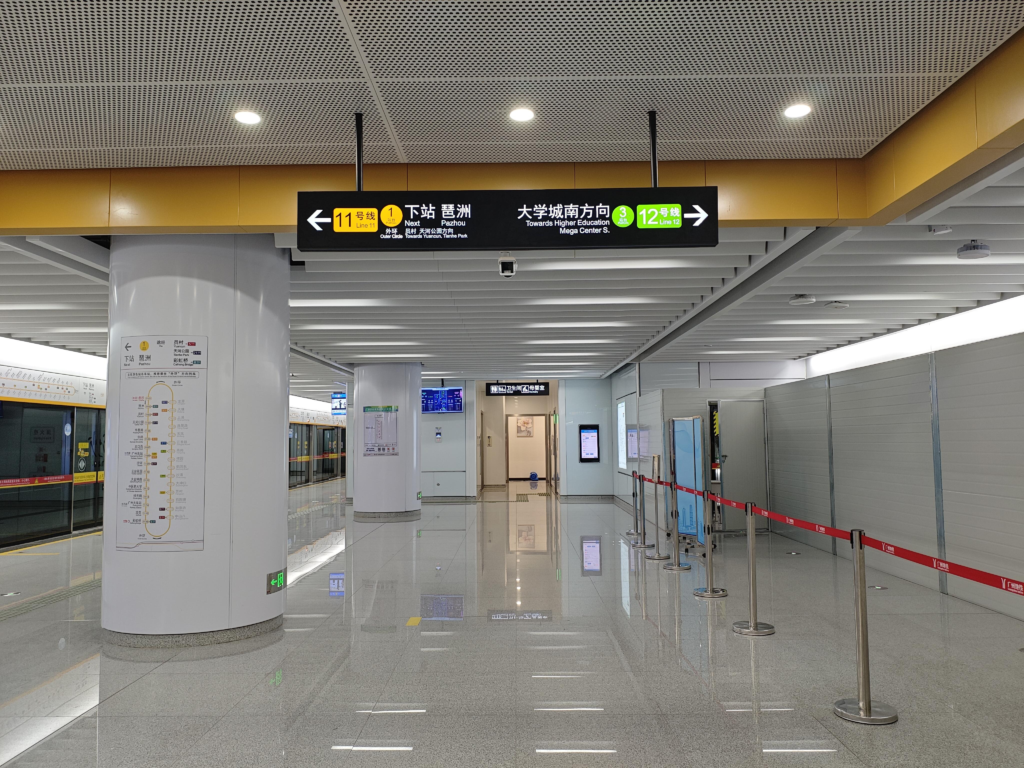
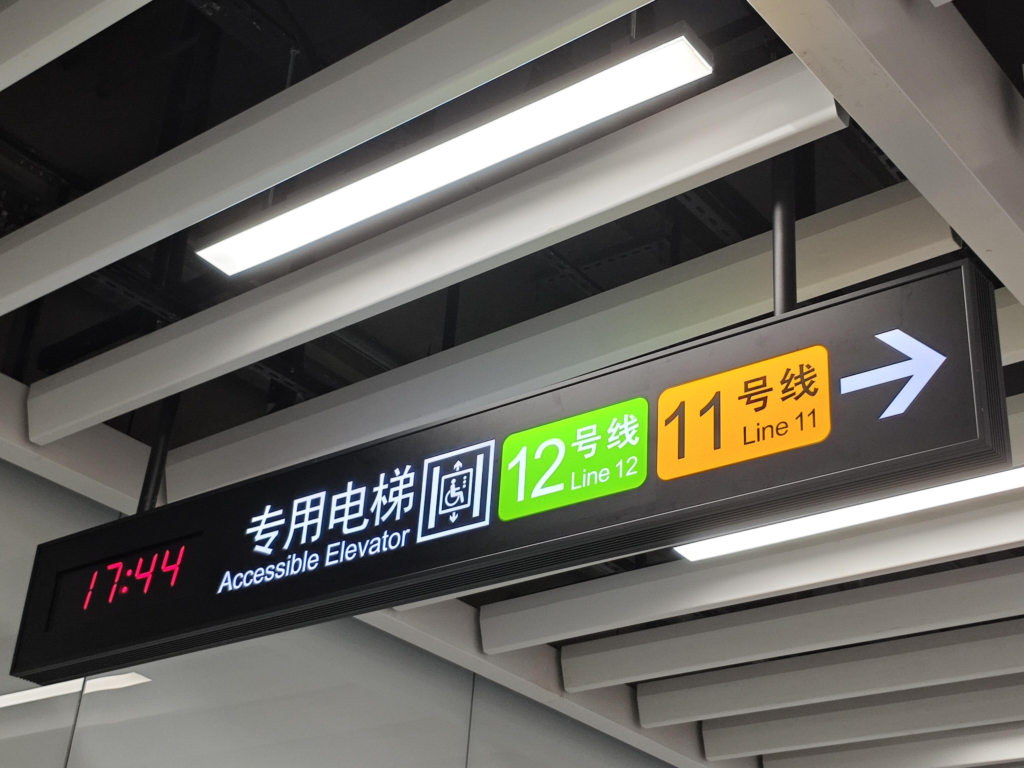
Look for the terminus: Signs will say something like “Towards [Terminal Station Name].”
Queue up: There are arrows on the floor. The middle is for people getting off; the sides are for boarding.
Inside the train: Screens above the doors show the current stop and the next one. Announcements are usually in both Chinese and English.
Don’t miss your stop: Even with announcements, keep an eye on the screen – especially at busy interchange stations where it’s easy to get distracted.View China Metro Line Map
🚪 Step 4: Exiting
This is the most critical step – and the easiest to mess up.
Find your exit: Look up for the yellow “Exit” signs.
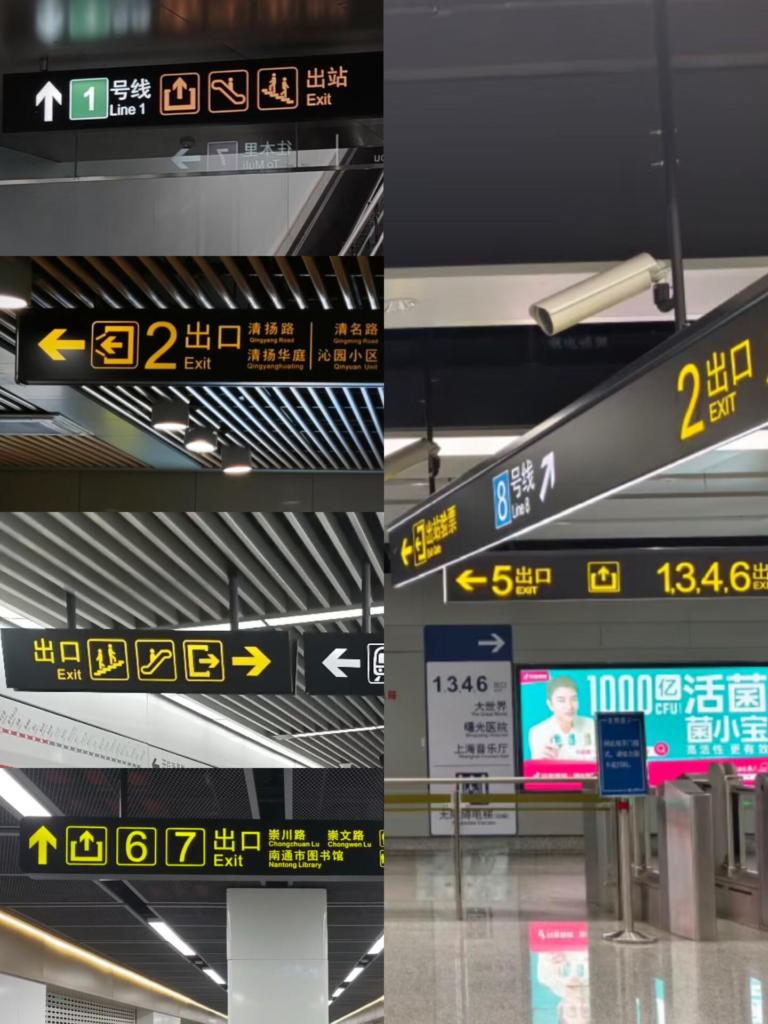
🔄 Scan again: Pull up your Alipay QR code and scan it at the turnstile.
🆘 If it fails: Don’t worry. Usually it means your entry scan didn’t register or your phone lost signal. Just go to the “Customer Service” booth next to the gates – hand your phone to the staff and they’ll fix it for you.
💡 Tips from a local traveler
If you don’t have Alipay, you can also watch this video to buy tickets on-site.
1. Rush hour is another world
Chinese metro stations – especially in Beijing, Shanghai, Guangzhou, and Shenzhen – get absolutely packed during morning and evening rush hours.
Unspoken rule: People are in a hurry. If someone stands very close behind you or gives a little push, don’t take it personally. It’s not about you – everyone’s just trying to get on the train.
My advice: If you have large luggage, avoid 7:30–9:30 AM and 5:30–7:00 PM. Otherwise you might not even make it through the door, and you’ll question all your life choices.
2. Escalator “invisible rule”
In London or D.C., people often stand on the right and walk on the left. In big Chinese cities like Shanghai, officials now recommend not walking on escalators for safety reasons.
Reality: Most people still stand on the right. If you want to walk, use the left. If you want to stand, stay right.
Note: Escalators here tend to run faster than you might be used to – hold the handrail.
3. Platform screen doors & floor arrows
All stations have glass platform doors. Look at the floor:
⬇️ Middle arrow = exit zone (people getting off)
⬅️➡️ Side arrows = boarding zones
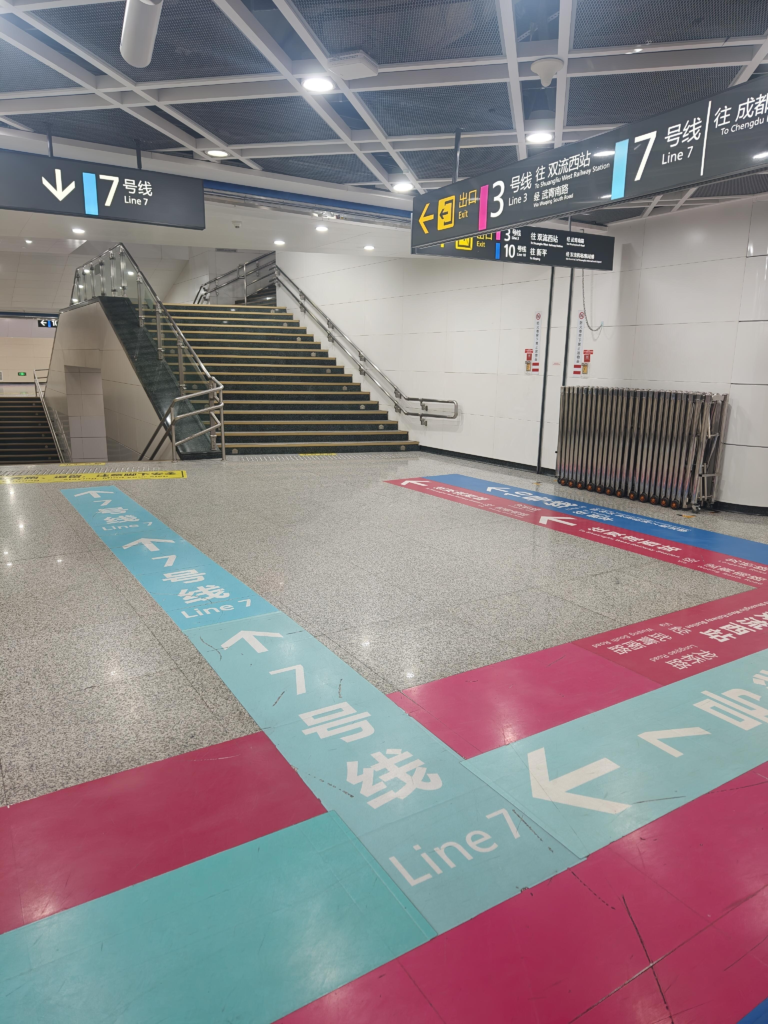
Key point: When the doors open, let people get off first. Even if the crowd surges, being patient will earn you respect.
4. Don’t get lost in mega interchange stations
Some stations – like People’s Square or East Nanjing Road in Shanghai – feel like underground mazes.
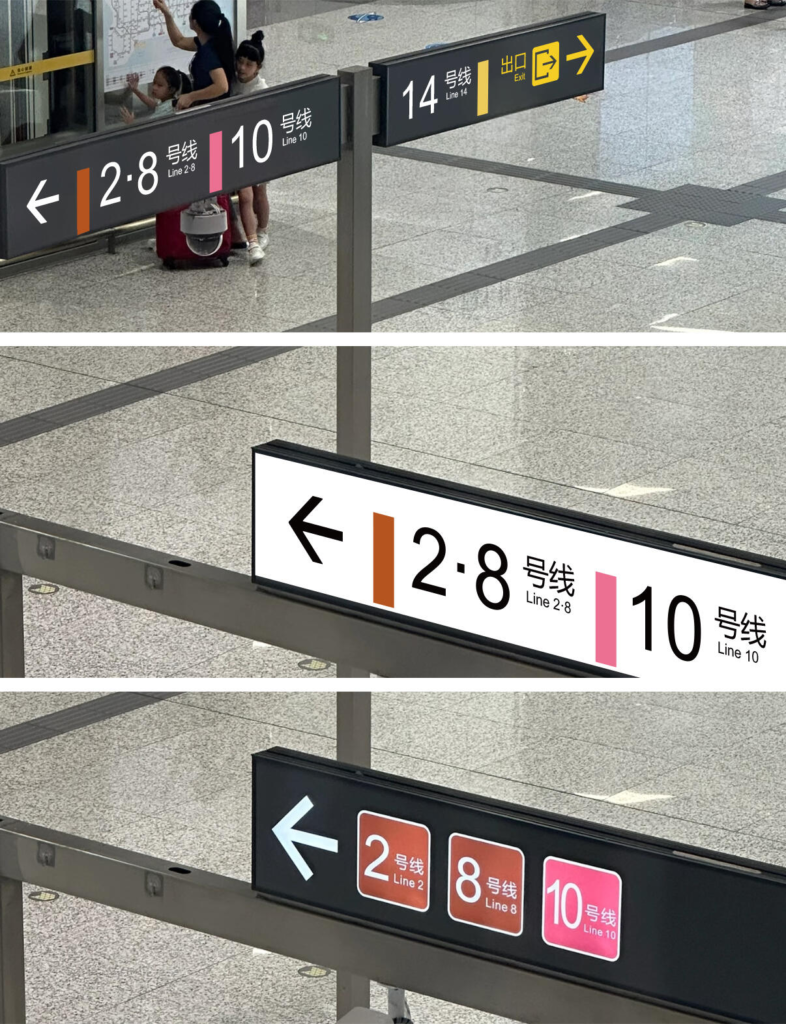
Follow the color: Each metro line has its own color (e.g., Line 1 is red, Line 2 is green). Following the color is often faster than reading text signs.
App recommendation: Download MetroMan. It’s fully English-friendly and gives you exact routes, transfer times, and fares.
5. Keep it quiet
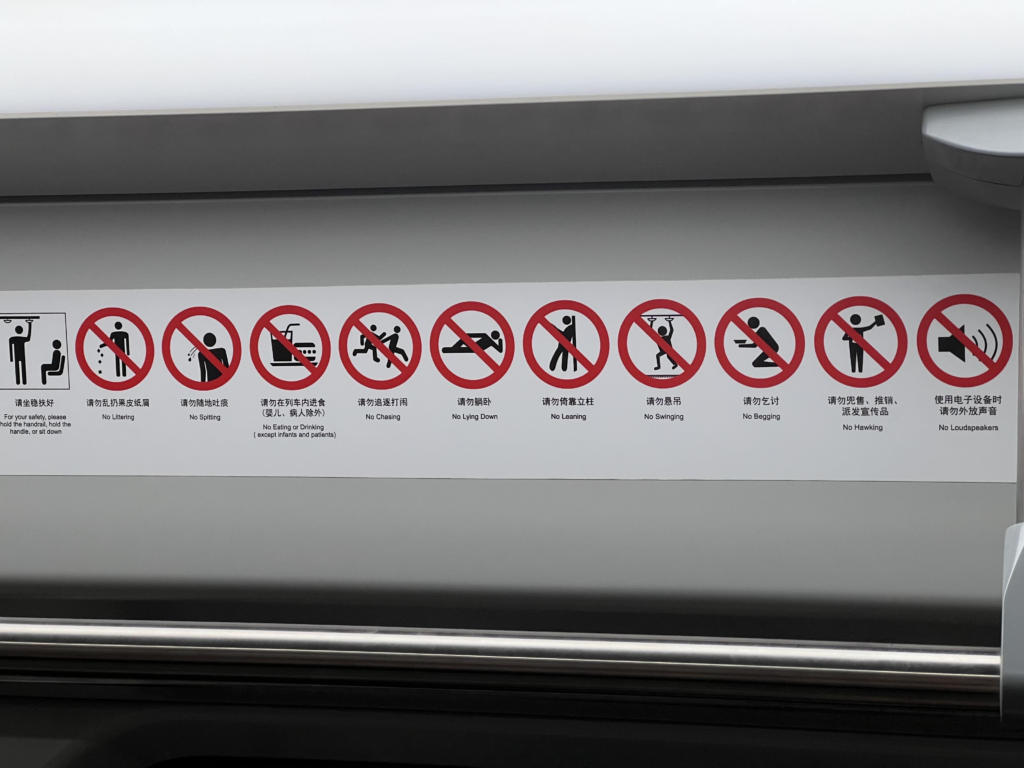
Phone speakers: Blasting Douyin or games on speaker will get you serious side-eye. In some cities, it’s even against the rules. Wear earphones.
Smelly food: Don’t eat a strong-smelling chive bun or spicy snack on the train – it’s considered very rude.
6. The “take a sip” test before entering
If you’re carrying a freshly bought bubble tea or coffee:
Security might ask you to take a sip. It’s just to confirm you’re not carrying a dangerous liquid.
How to handle it: Take a cheerful sip, give them a smile, and you’ll be through in one second.
Conclusion
Planning a trip to China can be as overwhelming as it is exciting. We hope this guide helps clarify your itinerary and makes your journey smoother.
Quick Tip: Hotel availability and prices in China can fluctuate rapidly, especially during peak seasons. To secure the best rates and flexible cancellation options, we recommend booking your stay via Trip.com or Klook as early as possible.
Have questions about your upcoming trip? Drop a comment below, and our team will get back to you with the latest local insights!