
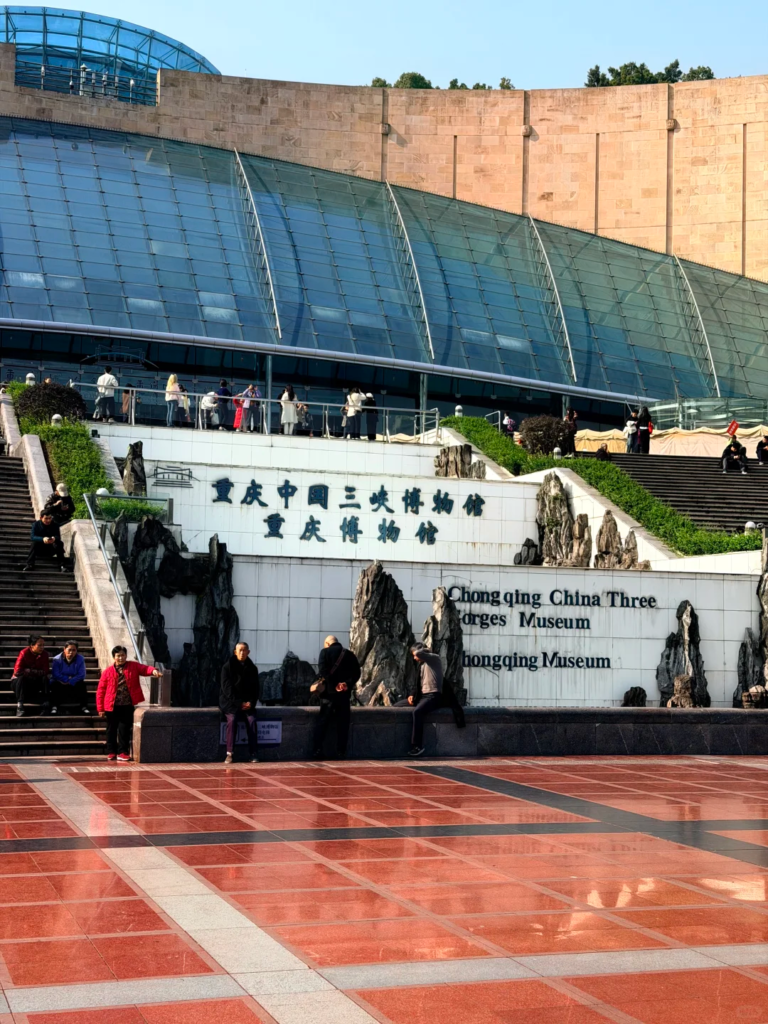
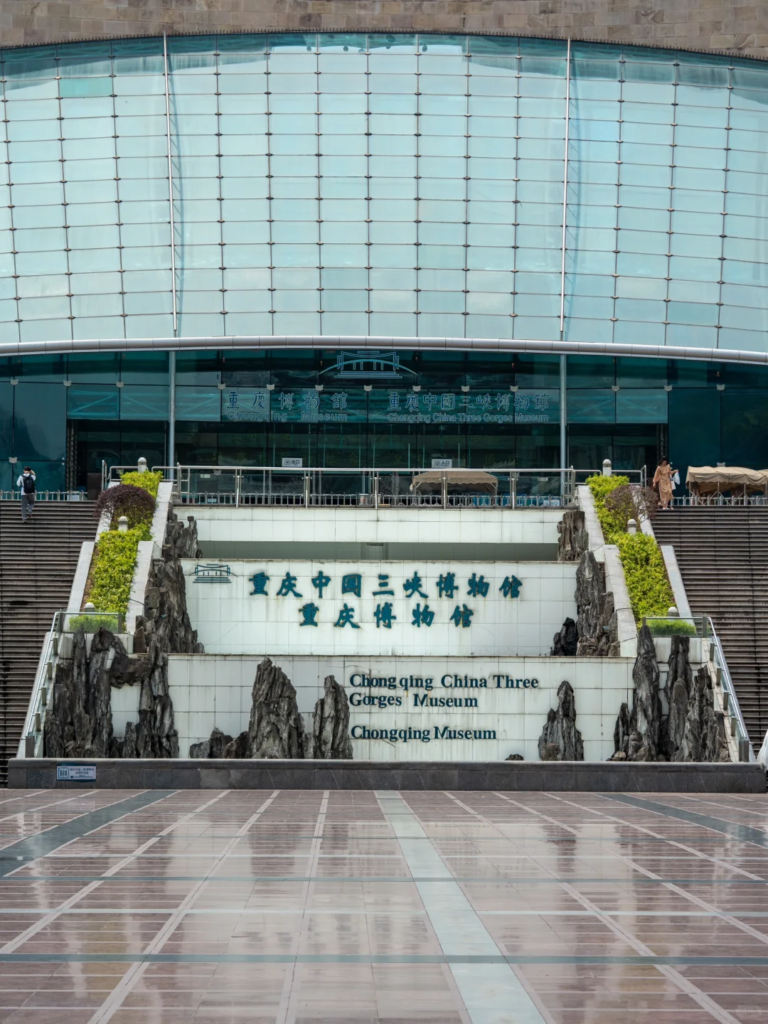
When I first walked up to Chongqing’s China Three Gorges Museum, I was skeptical. Another state-run museum? Probably a lot of Chinese text, dusty artifacts, and not much for a Western traveler who doesn‘t read Mandarin.
So let me break this down for you, the way I‘d tell a travel buddy over a beer.
Quick Answer Box (For the Impatient)
- What: Chongqing China Three Gorges Museum (also called Chongqing Museum)
- Where: 236 Renmin Road, Yuzhong District — right across from the giant domed Great Hall of the People
- Hours: Tuesday to Sunday, 9:00 AM to 5:00 PM (last entry 4:30 PM) — closed Mondays
- Cost: Free. Seriously. Just bring your passport
- How long: 2 to 3 hours if you’re breezing through, half a day if you actually read things
- Best time to go: Right when it opens at 9:00 AM, or after 2:00 PM. Avoid 10:00 AM to 12:00 PM like the plague
Getting There Without Losing Your Mind
This is Chongqing. The city doesn‘t do “flat” or “straightforward.” But here’s the path that actually works.
Take Metro Line 2 or Line 10 to Zengjiayan Station. Take Exit 3. Now, don‘t just walk out blindly like I did my first time and end up on some random street corner looking confused.
The Honest Truth About What You’ll Actually See
The museum has four main floors. Here‘s what’s worth your time and what you can probably skip.
First Floor — The Magnificent Three Gorges Hall (Don‘t Miss This One)
This is the heart of the museum. They just renovated this exhibit in 2024 — about 60 percent of what’s here is new.
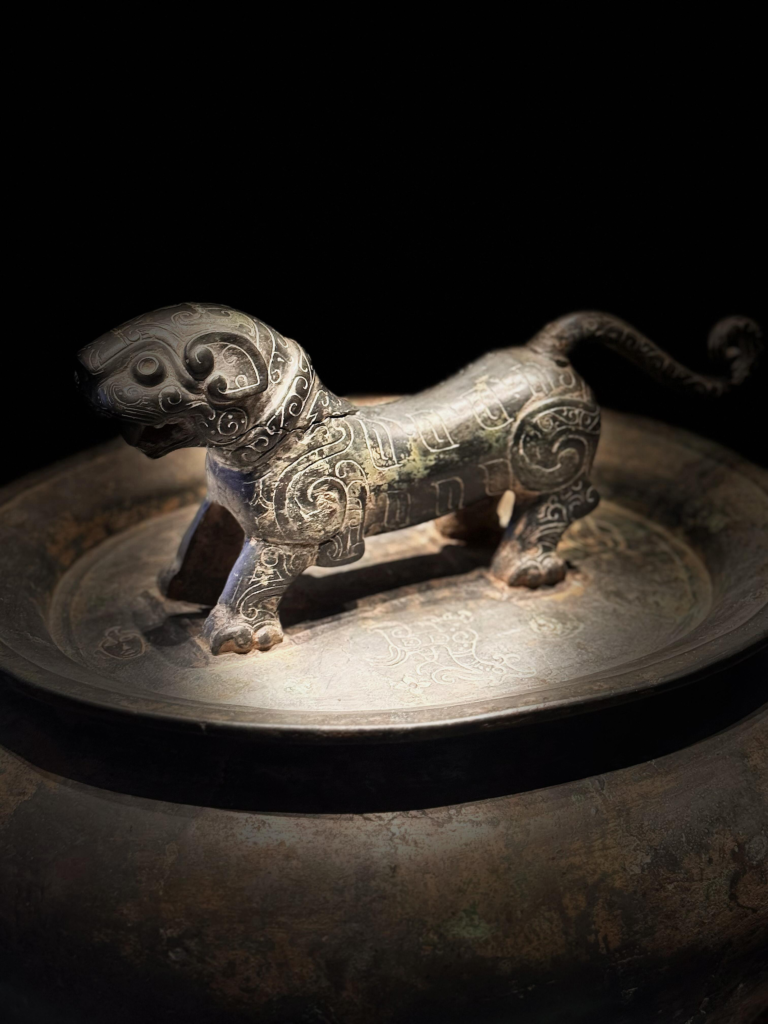
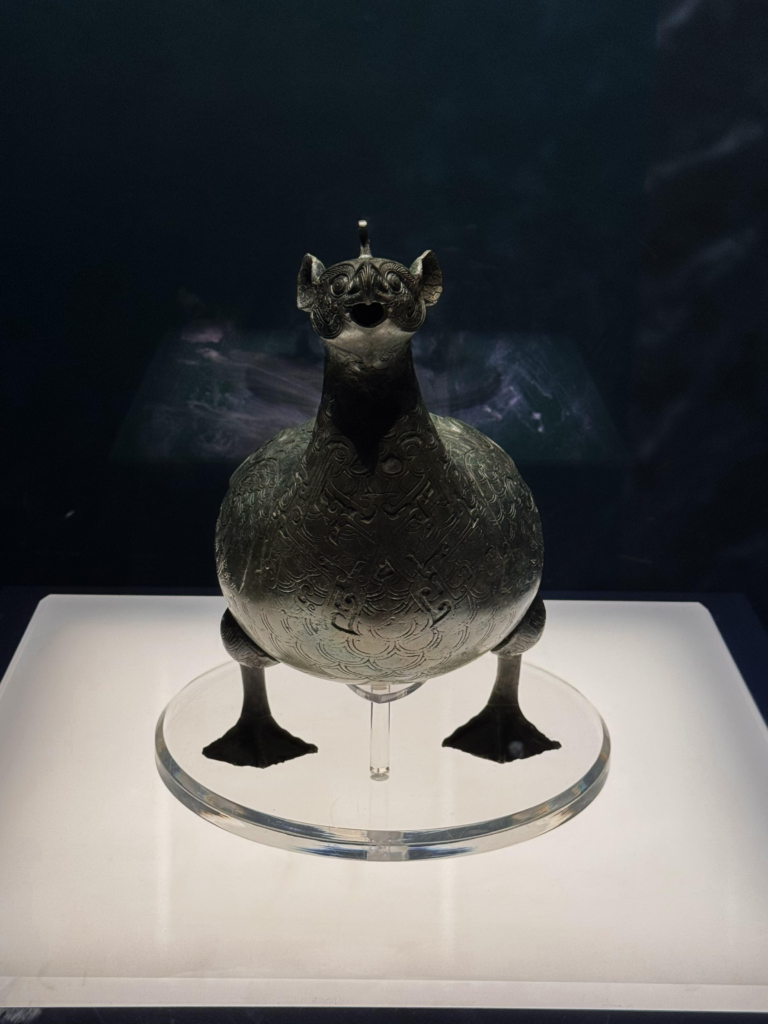
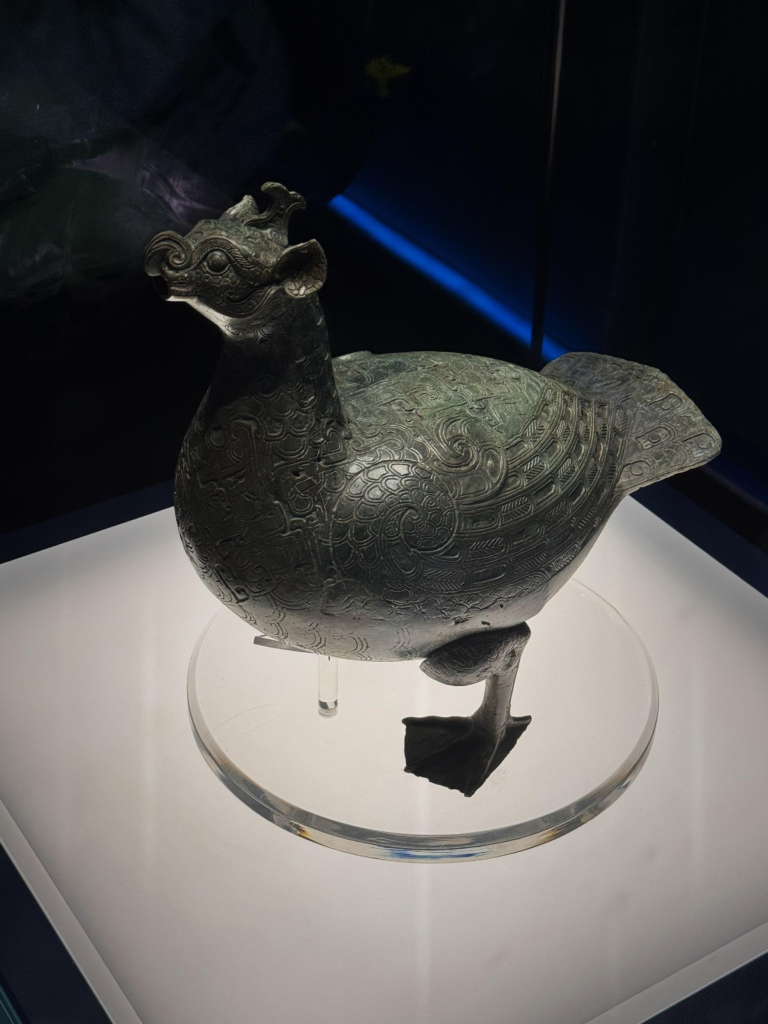
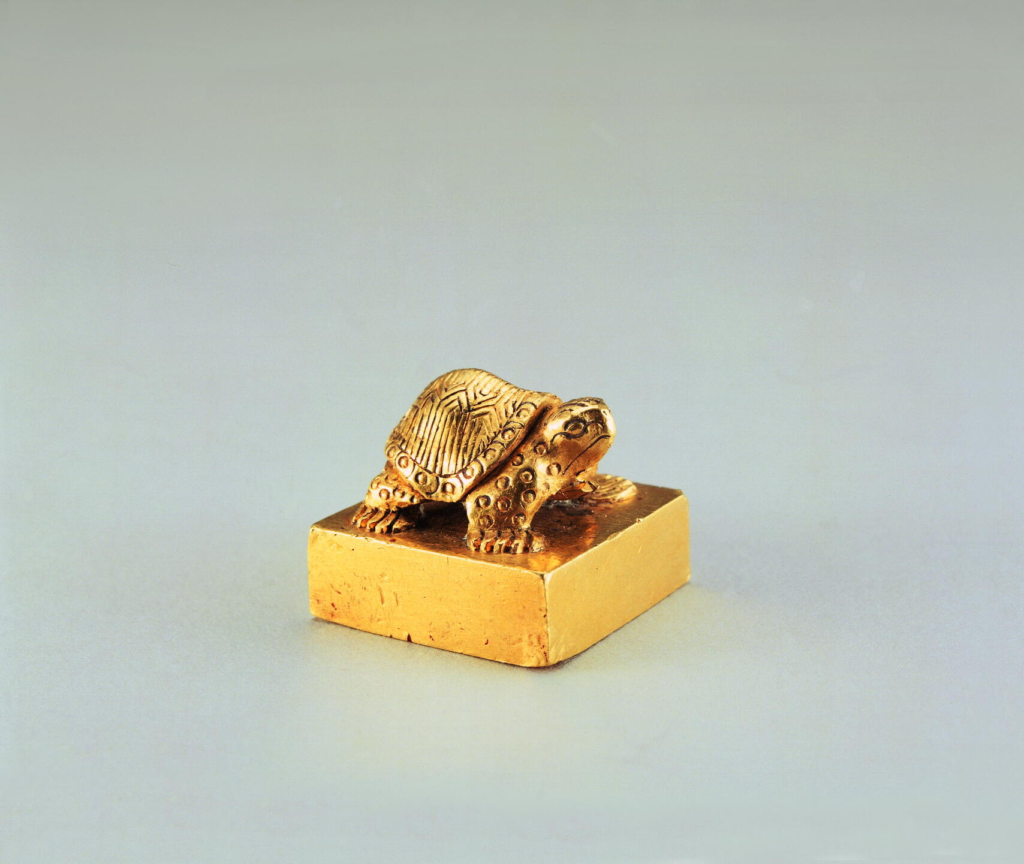
The entrance hits you with a massive panoramic screen showing Three Gorges scenery. Waterfalls, cliffs, the whole dramatic landscape. It‘s genuinely impressive, not gonna lie. I stood there longer than I expected just watching the loop.
But the real stuff is in the artifacts. This is where most of the “treasures” live:
- The Wushan Man jawbone fossil — about 2 million years old. One of the earliest human fossils found in East Asia. Just stare at it for a second and think about that timeline.
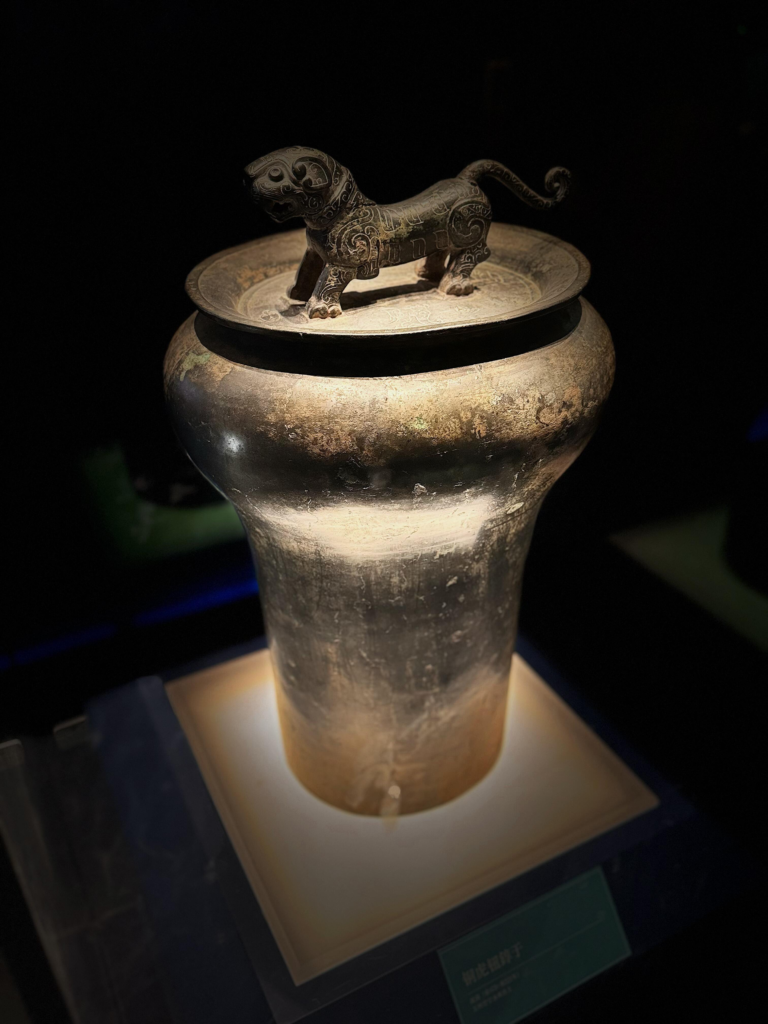
- The bronze tiger-shaped bell (Hu Niu Chun Yu) — a Warring States period military instrument shaped like a tiger. The Ba people apparently used this thing to psych out their enemies before battle.
- The bronze bird-shaped vessel (Niao Xing Zun) — intricate, elegant, way more refined than you‘d expect from this period.
- The “Pian General” gold seal — a tiny Han Dynasty gold seal that’s somehow survived intact for nearly 2,000 years.
There‘s also a simulation of the Three Gorges Dam project with models and interactive screens. It’s informative, though a bit propaganda-heavy if you‘re paying attention. Just take it for what it is — a record of an enormous engineering project that permanently changed the landscape and displaced over a million people. The museum acknowledges this, but let’s just say they don‘t dwell on the messy parts.
Second Floor — Ancient Bayu and Chongqing‘s Urban Story
The Ancient Bayu section shows you what life was like for the region’s earliest inhabitants. Bronze artifacts, pottery, recreated living scenes. It‘s solid, but not mind-blowing if you’ve been to other Chinese museums.
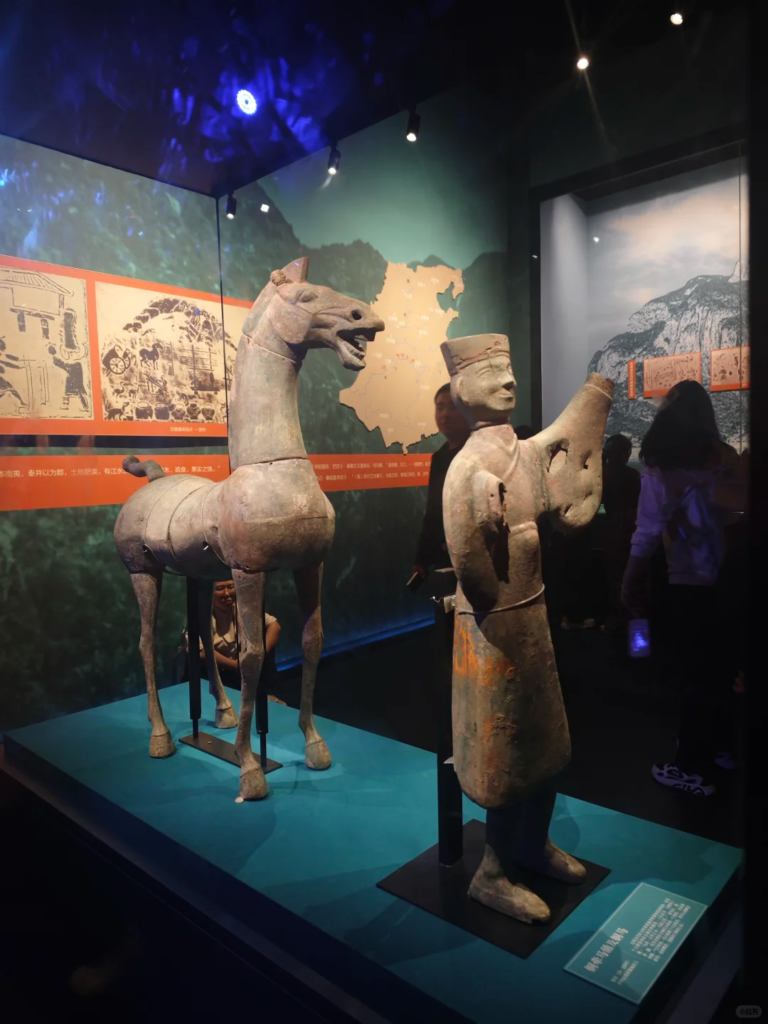
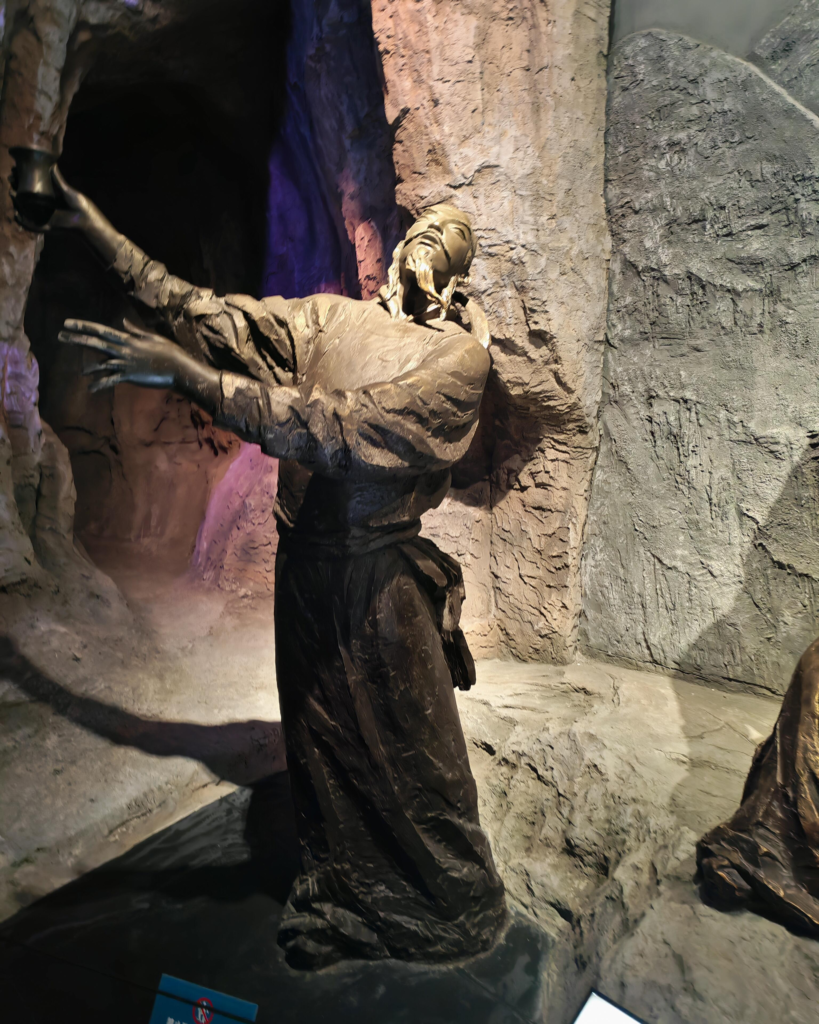
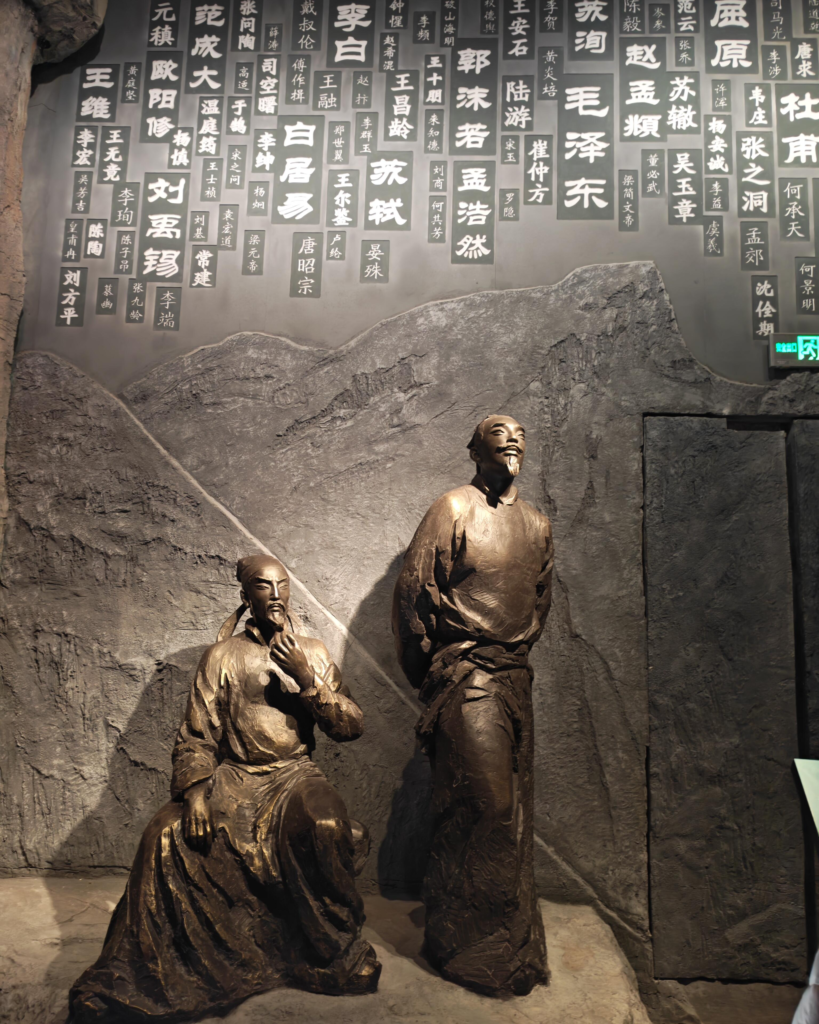
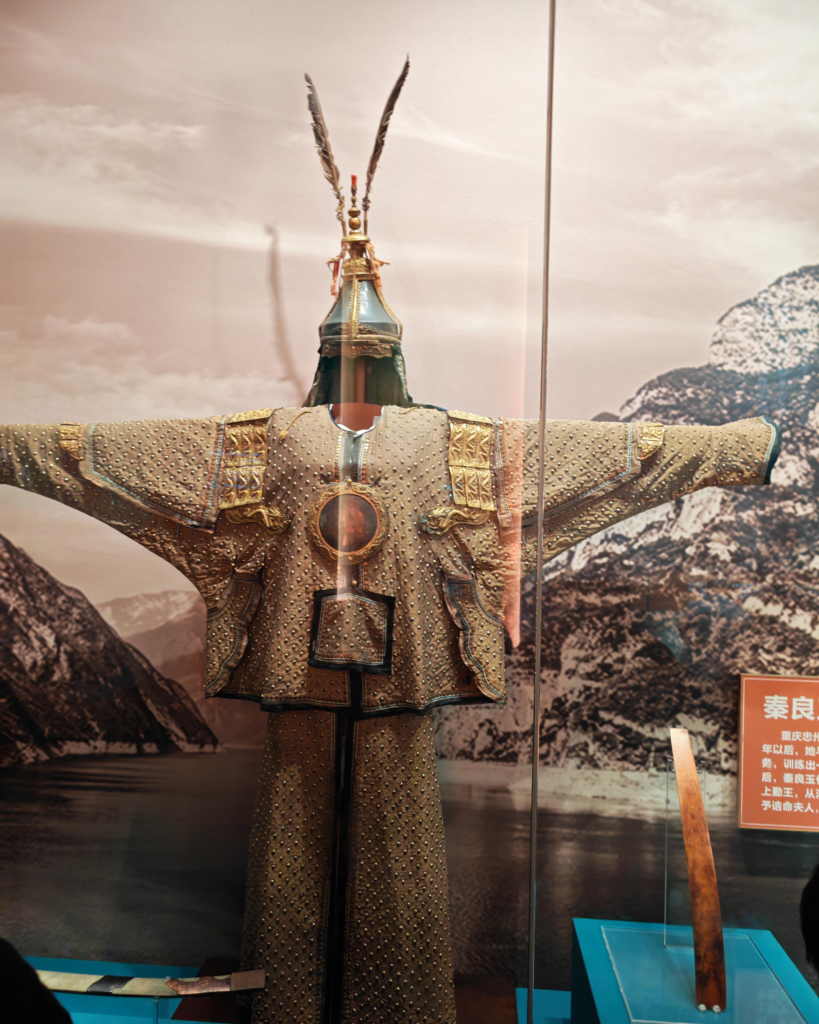
The City Road exhibit is more interesting than it sounds. Old photos, tram models, wartime documents showing how this mountain town transformed from a trading post into a megacity. I found myself genuinely curious about how anyone builds anything on slopes this steep.
Third Floor — The Wartime Capital Exhibit (Heavy, But Important)
This one caught me off guard.
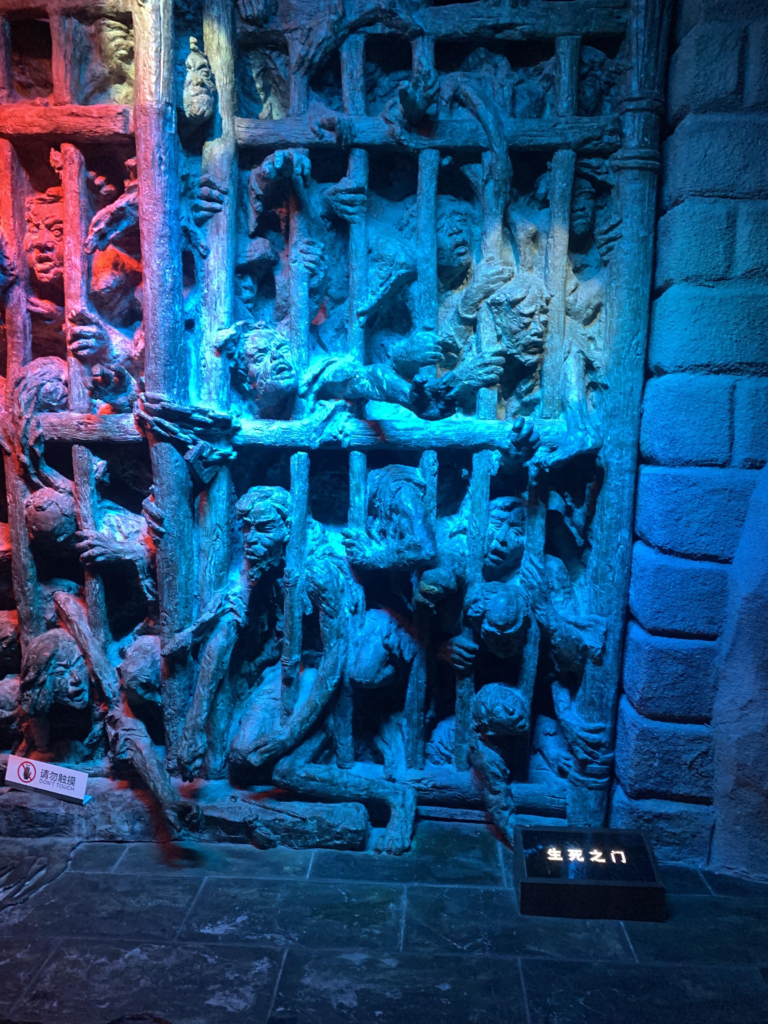
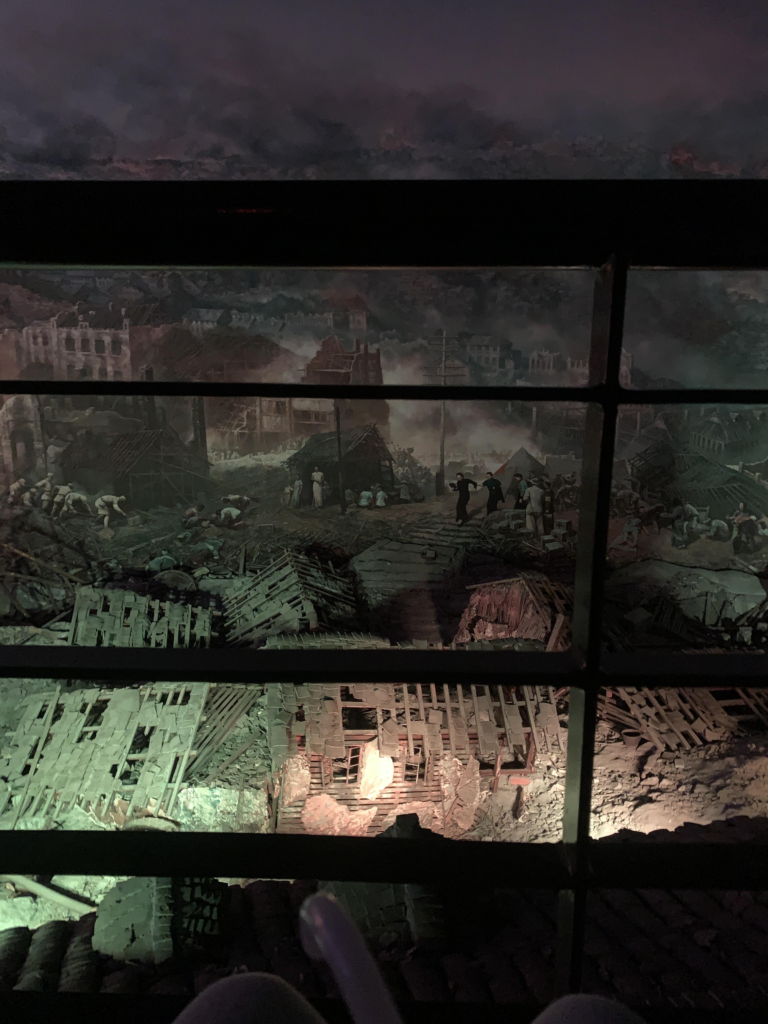
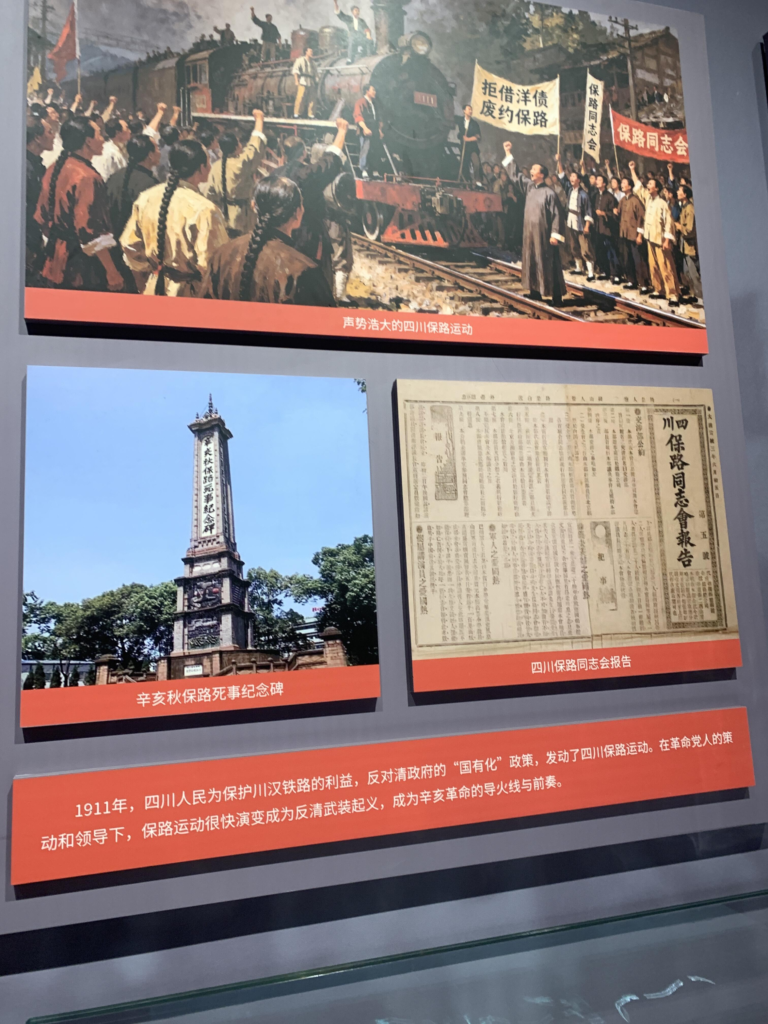
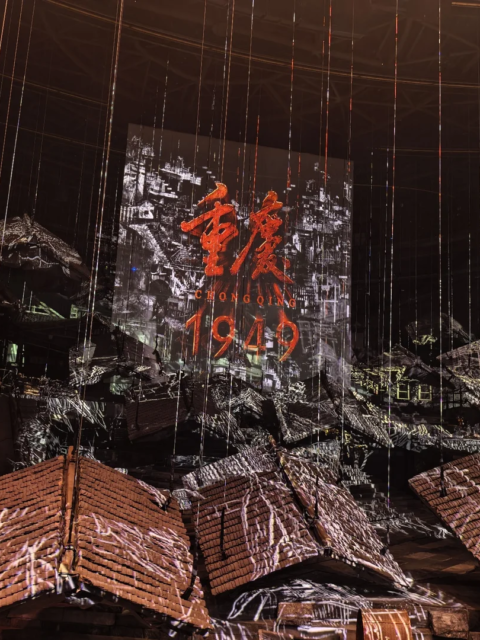
During World War II, Chongqing served as China‘s provisional capital after the Japanese overran Nanjing. The city was bombed relentlessly — they call it the “Chongqing Bombing.” The exhibit includes a semi-panorama film showing the air raids, the fires, the civilian shelters. It’s not easy to watch. There‘s a recreated tunnel shelter scene that’s genuinely disturbing.
If you‘re even remotely interested in WWII history that doesn’t revolve around Europe, this section is essential. It put a lot of things in perspective for me about why this city has the resilient, gritty character it does today.
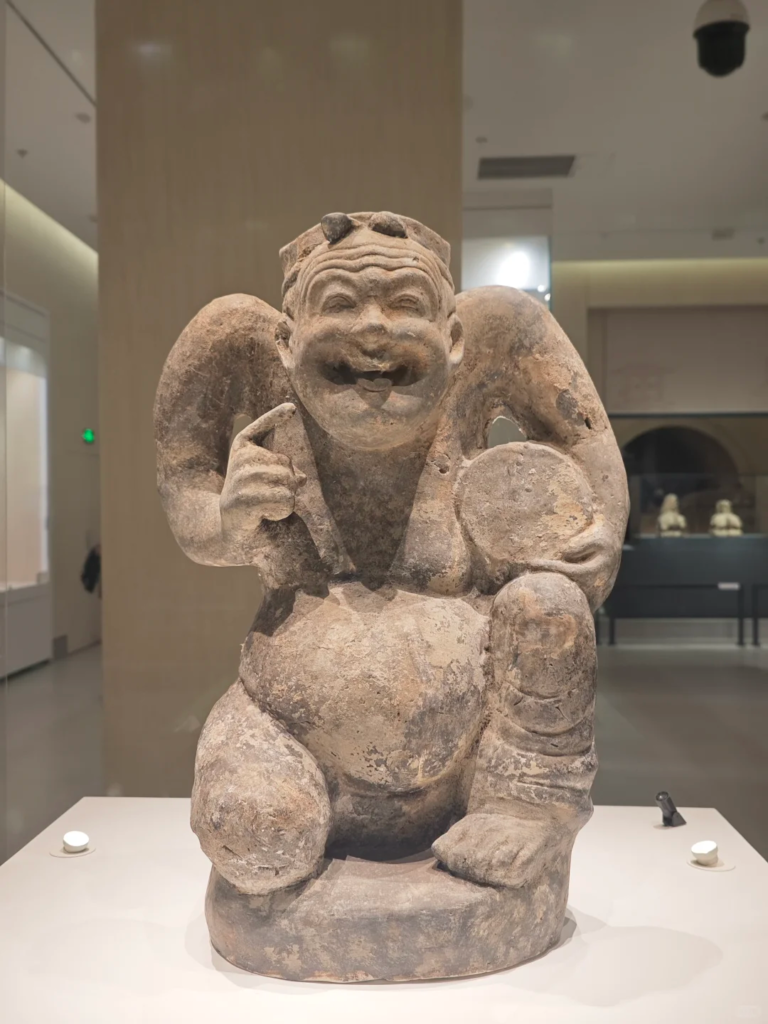
Also on this floor: the Han Dynasty sculpture gallery, which houses the famous gray pottery drum-playing figurine — the one with the goofy, infectious grin. You‘ve probably seen photos of it in Chinese history textbooks. It’s smaller than you‘d expect but somehow more charming in person.
Fourth Floor — Calligraphy, Porcelain, and Temporary Exhibits
Honestly? If you’re short on time, you can skip this floor. The porcelain is beautiful if you‘re into that sort of thing. The calligraphy is… calligraphy. Unless there’s a temporary exhibit that catches your eye (check their WeChat page before you go), focus your energy on floors one through three.
What Nobody Tells You (The Annoying Stuff)
Let me be real about the downsides, because most travel content just gushes.
The crowds are insane. Especially on weekends and holidays. I went on a Tuesday afternoon and still felt like I was in a human river being carried from room to room. The first floor in particular gets packed with school groups and tour buses. You‘ll be fighting for space just to read a label.
English signage is inconsistent. Major exhibits have English translations, but plenty of smaller artifacts don’t. The museum‘s official app has English audio guides, and you can rent a handheld guide at the entrance. I’d recommend bringing your phone with a translation app — Google Translate works fine with their Wi-Fi.
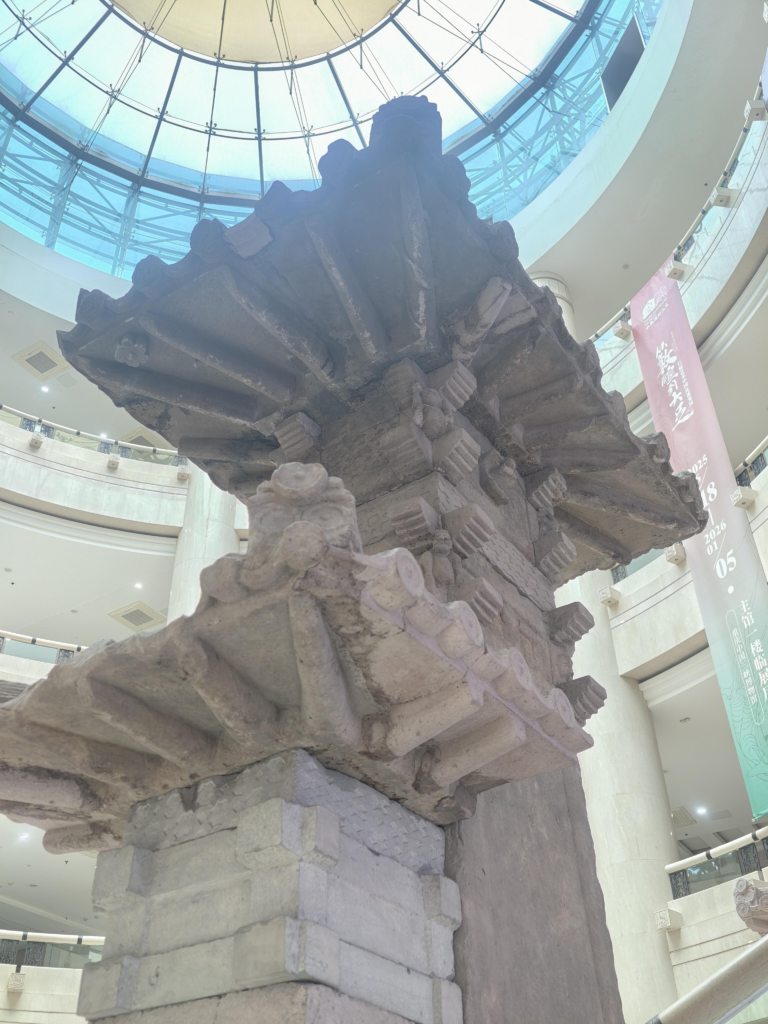
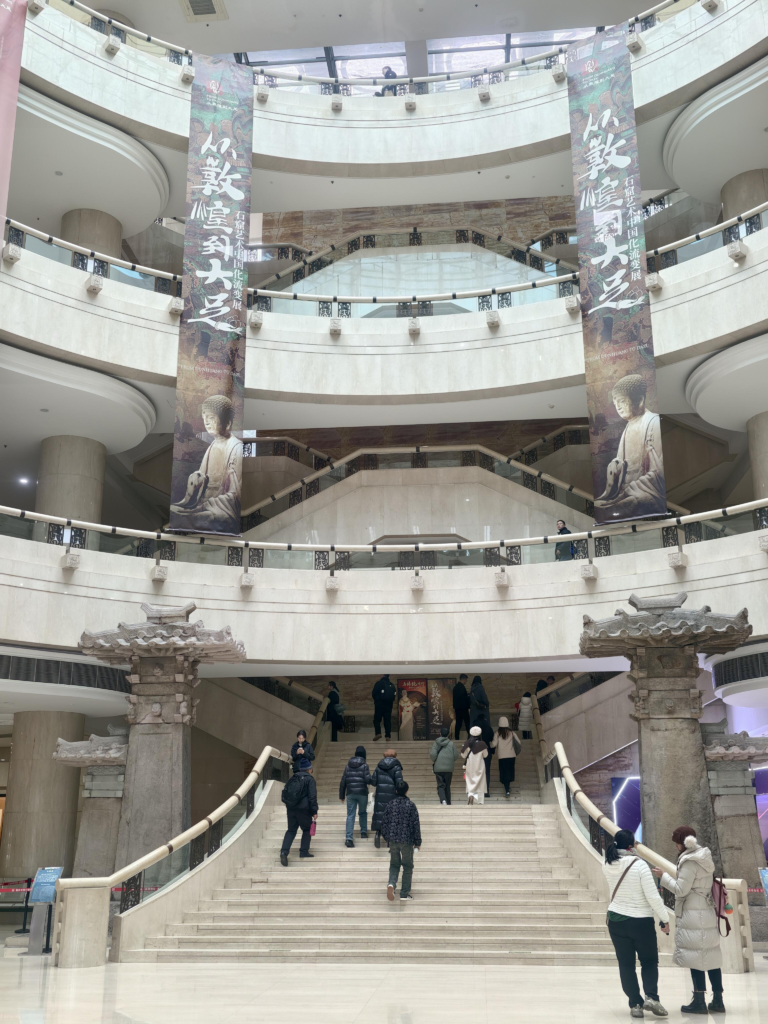
The audio guide rentals are a ripoff. Multiple travelers have told me the self-service audio guide costs extra and is clunky to use. You have to manually select each exhibit, and half the time you can‘t figure out which number corresponds to what. Skip it and use the free digital guides on their WeChat instead.
It’s cold inside. This sounds trivial, but they blast the AC. Bring a light jacket even in summer, or you‘ll be shivering by hour two.
The special exhibits sometimes cost money. The main halls are free, but the rotating special exhibits on floors one and four often have separate ticket fees. Not huge — usually 20 to 50 RMB — but annoying if you didn’t expect it.
The Best Route
Most people start on the first floor and work their way up. This is a mistake. Everyone does this, so the first floor is mobbed all morning.
Start on the fourth floor and work your way down. Take the elevator straight to the top, hit the calligraphy and porcelain exhibits (meh, but uncrowded), then drop down to the third floor for the wartime stuff while most people are still clogging up the first floor. Hit the second floor next, then finish on the first floor around 11:00 AM or 12:30 PM when the morning rush has thinned out.
This worked beautifully for me. Your mileage may vary, but it‘s worth a shot.
What to Do Before or After
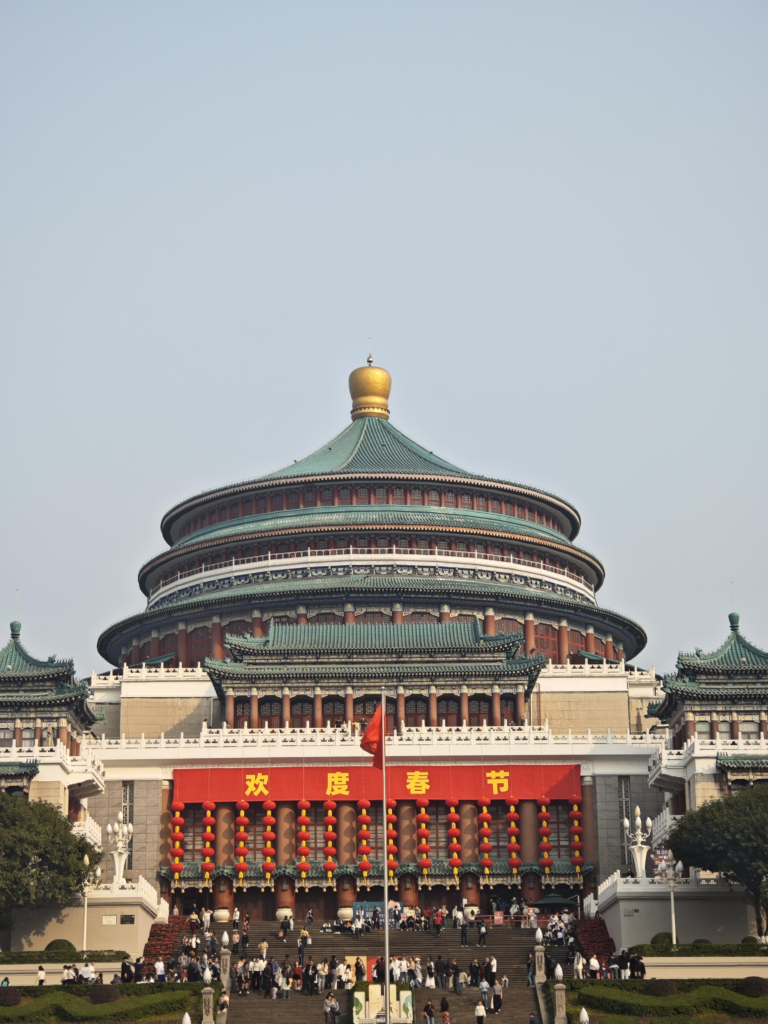
The museum sits on People’s Square, directly across from the Great Hall of the People — that massive domed building that looks like a cross between the Temple of Heaven and a Soviet wedding cake. It‘s worth walking across the square just to photograph the museum with the Great Hall in the background. The symmetry is satisfying.
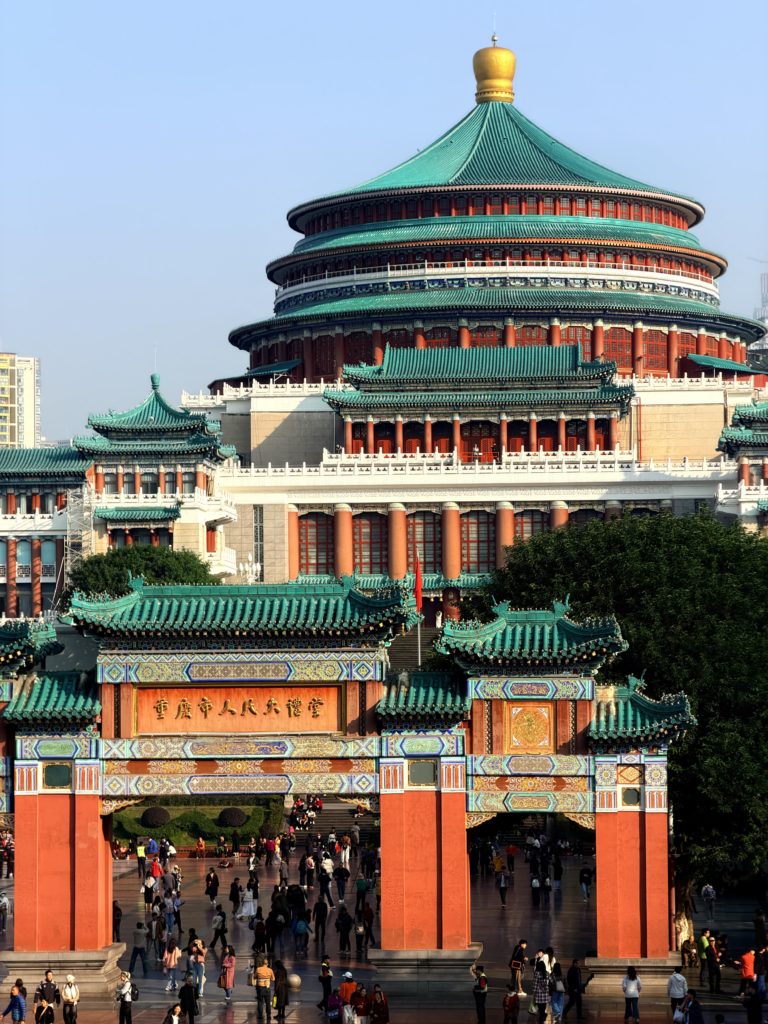
From there, you can walk to Zhongshan Fourth Road, which locals call “Chongqing’s most beautiful street.” It‘s lined with old republic-era mansions and plane trees. About 15 minutes on foot.
Practical Bits You Actually Need
- Entry policy: As of 2025, the main museum no longer requires advance reservations. Just bring your passport. Some special exhibits still require booking through their WeChat.
- WeChat account: Search “Chongqing China Three Gorges Museum” — you‘ll need it for English audio guides and special exhibit tickets
- Phone number if you get lost: 023-63679066
- Wi-Fi: Free, requires passport registration at the service desk
- Photography: Allowed in regular exhibits, but no flash. Some special exhibits restrict photos entirely
You can scan this QR code with WeChat to get more information